
Last updated November 2, 2026
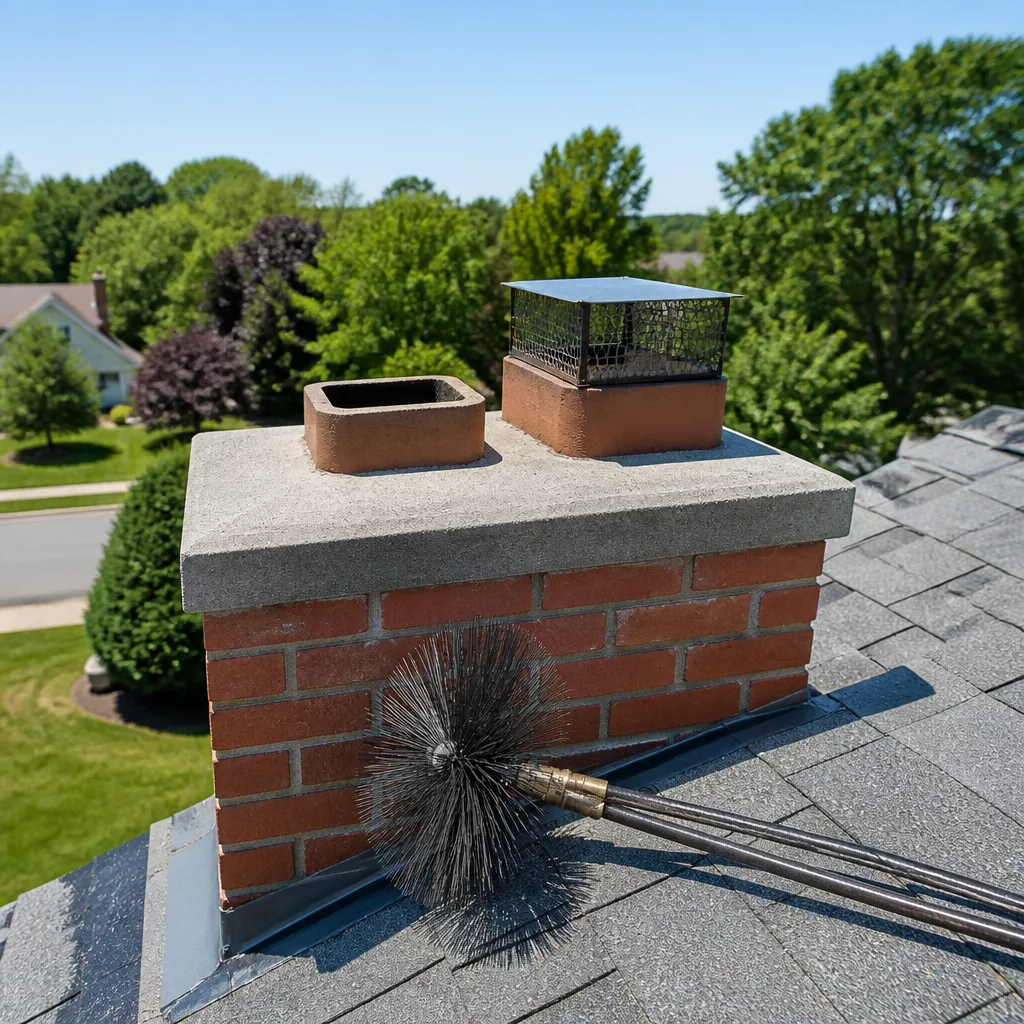 Sweep & inspection
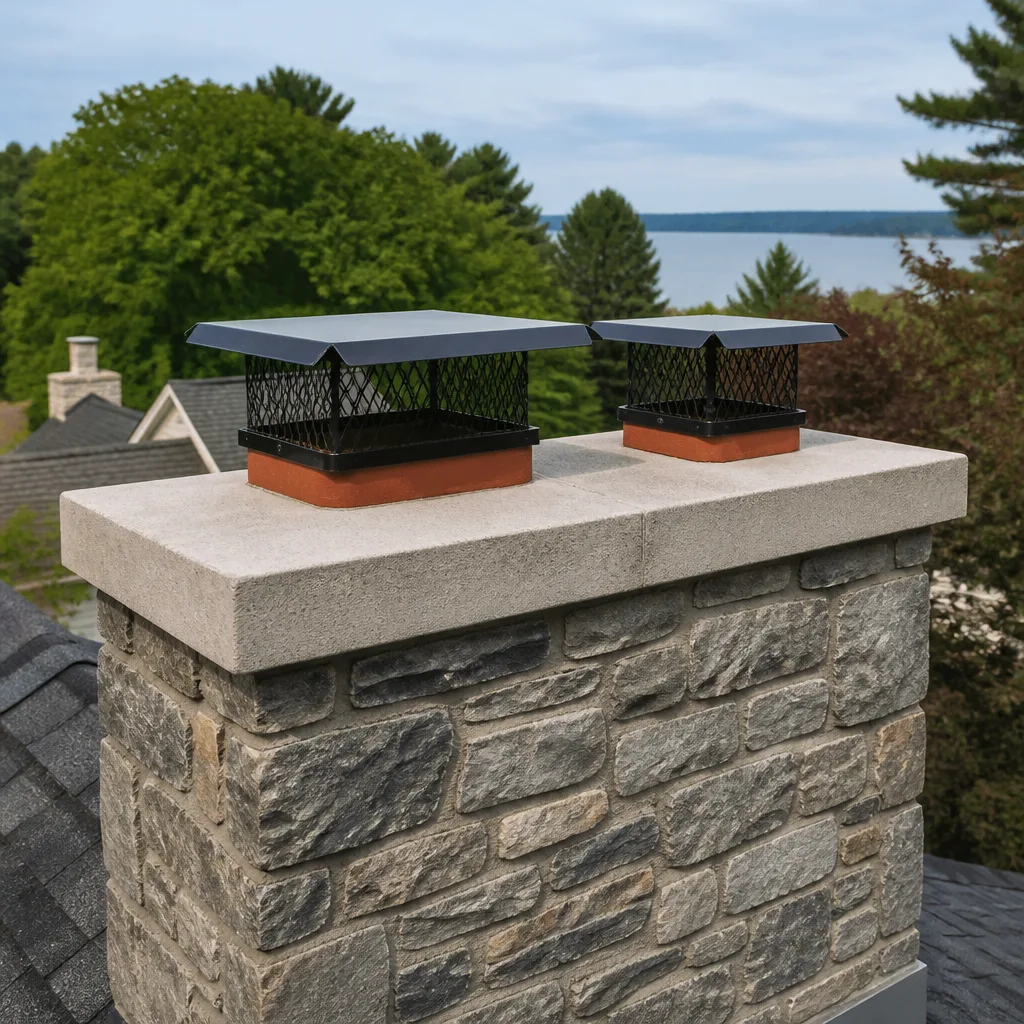 Caps & crowns
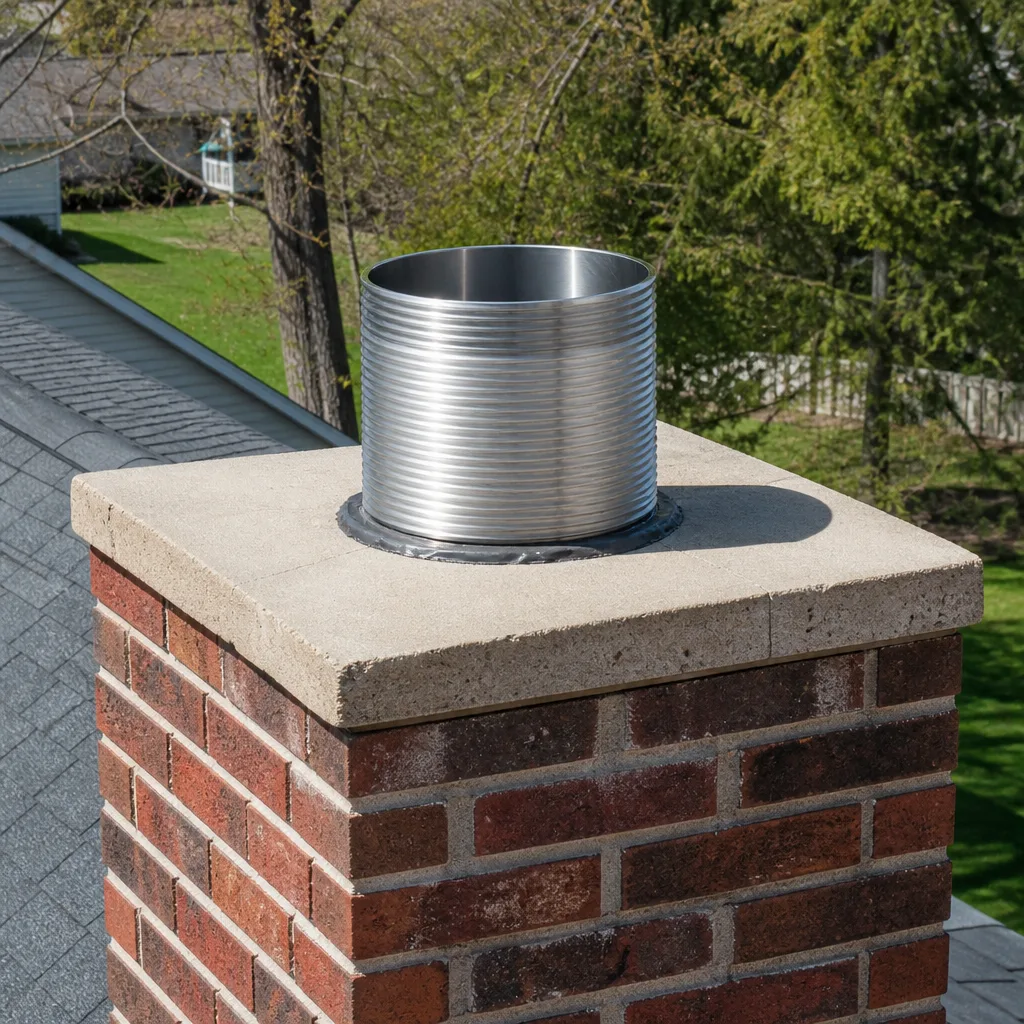 Flue relining
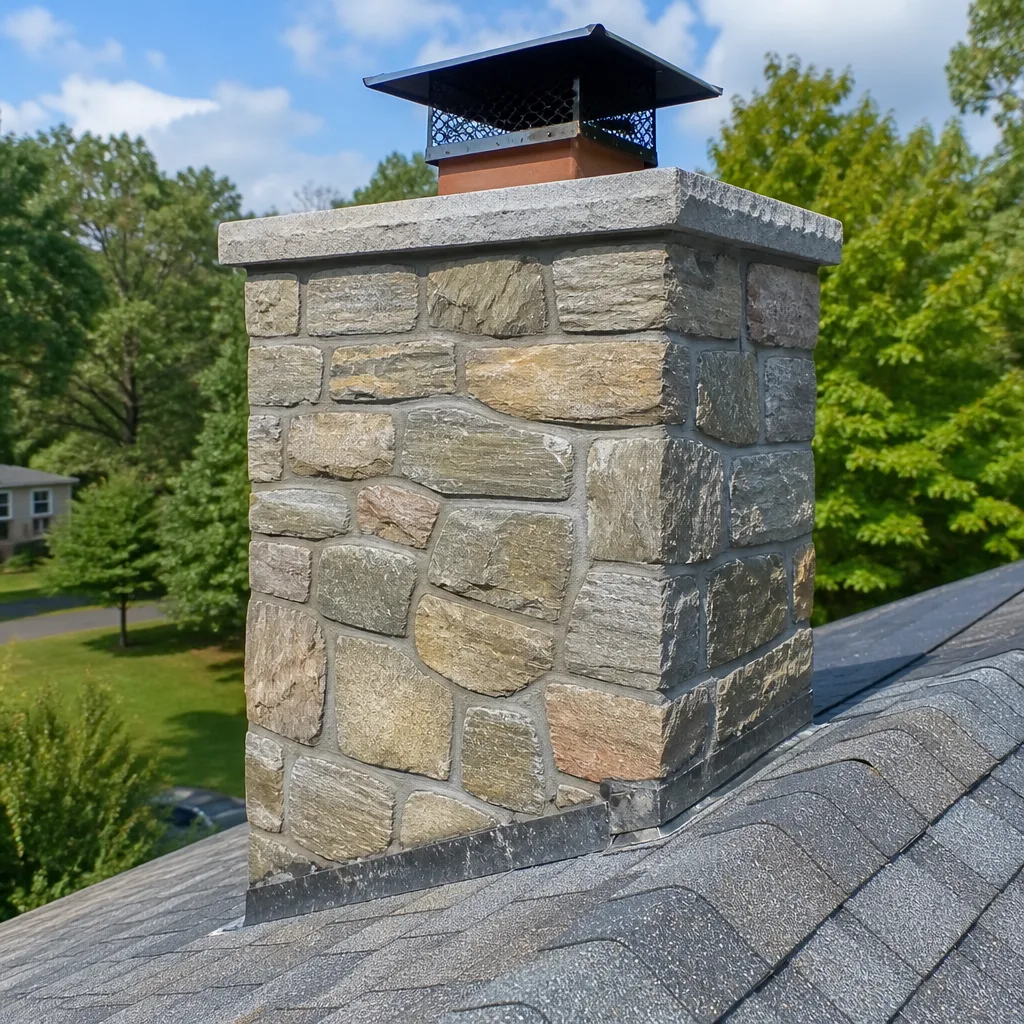 Masonry repair
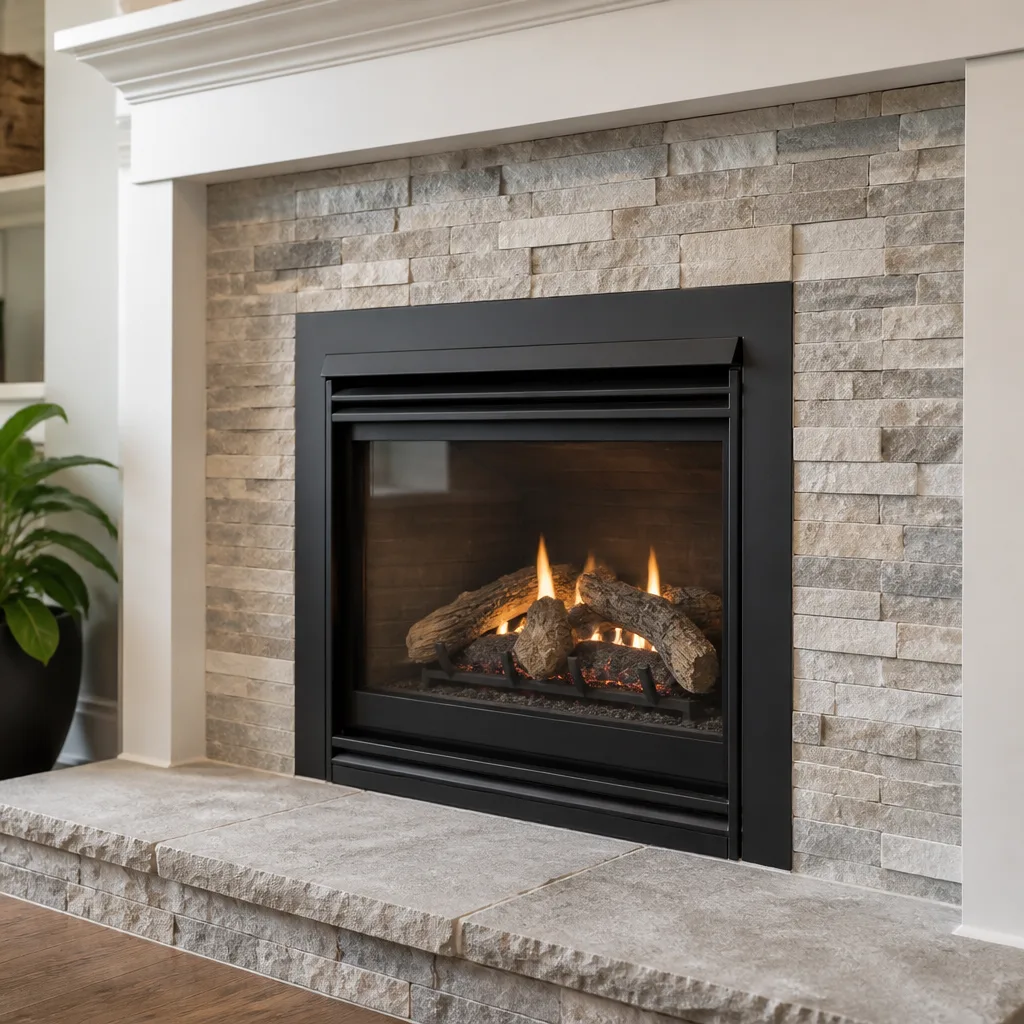 Gas fireplace service
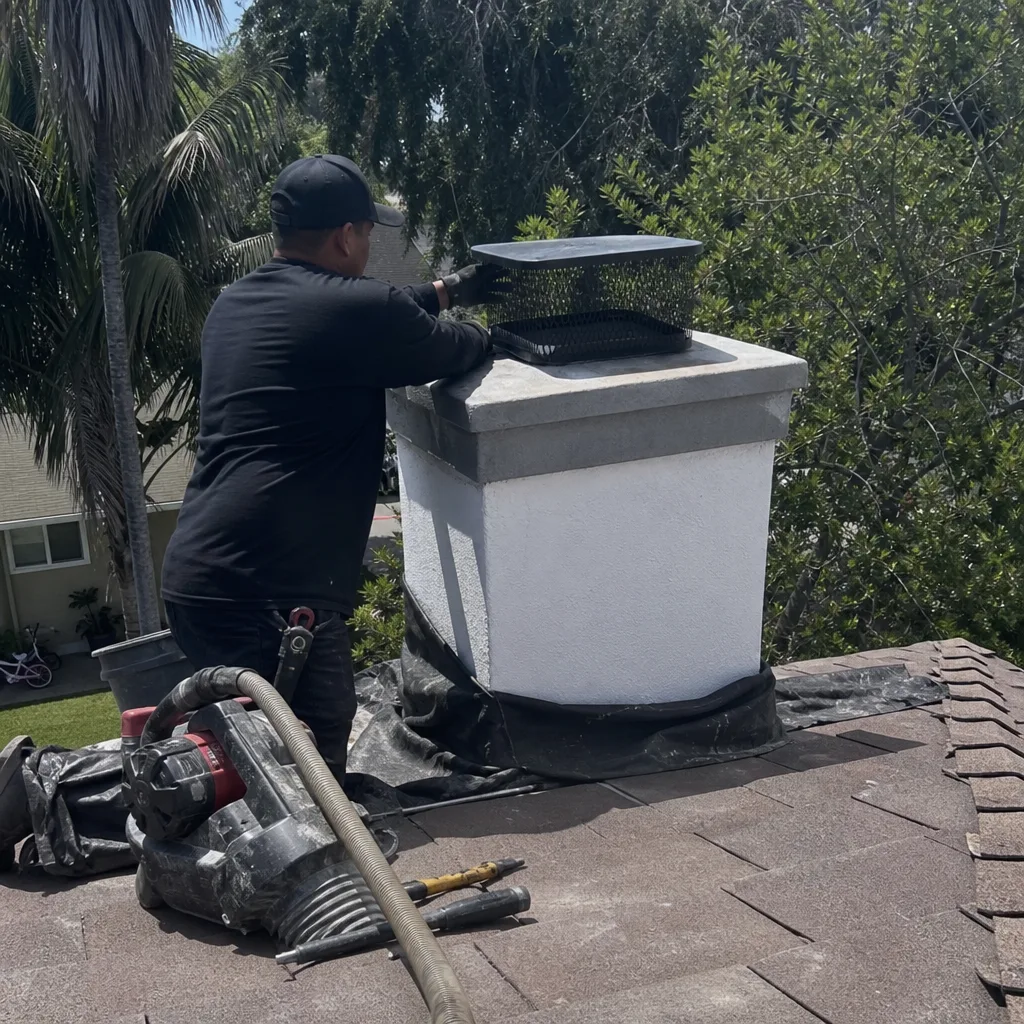
Level 1 sweep and inspection to the NFPA 211 annual standard - flue, crown, cap, and flashing checked and photographed
Chimney sweep logs do not sweep chimneys. They loosen some creosote - which then falls where a brush and vacuum still have to collect it.
Seasonal Chimney Cleaning Care for Downtown San Diego: Year-Round Homeowner’s Guide
Downtown San Diego averages just under 12 inches of rain a year, so most chimney maintenance guides write us off as a dry-weather afterthought. That assumption costs homeowners real money. When an El Niño winter pushes 20-plus inches of rain into the county in concentrated bursts, chimneys that skipped basic crown and flashing maintenance turn into indoor waterfalls overnight. This guide maps San Diego’s actual seasons, from May Gray to Santa Ana wind cycles, to the specific chimney work each one demands, so you’re never reacting to water in the firebox or a bird’s nest packed against a hot flue.
Styles & brands we work with
- Sweep & inspection
- Caps & crowns
- Flue relining
- Masonry repair
- Gas fireplace service
Quick Answer
Chimney maintenance in Downtown San Diego follows a four-season rhythm: sweep after fire season ends in spring, inspect spark arrestors and masonry before Santa Ana winds arrive in late summer, do your main cleaning and damper check in October, and treat winter as a water-intrusion inspection window, especially during El Niño rain patterns. A typical annual sweep costs between $165 and $280 in the Downtown market – see our Chimney Cleaning Cost Breakdown: The Downtown San Diego Homeowner’s Reference for 2026 for full pricing details – and the most important thing you can do is time your maintenance to our actual weather, not a national template that assumes snow and freezing cycles.
Table of Contents
- Spring (March – May): The Post-Burn Season Sweep and Nesting Season
- Summer (June – September): Santa Ana Prep and Masonry Repointing Before Thermal Cycling
- Fall (October – November): The Real Sweep Season in San Diego
- Winter (December – February): El Niño Rain, Flashing, and Water Intrusion
- How to Build a 12-Month Chimney Maintenance Calendar for Downtown San Diego
- Signs Your Chimney Needs Attention Before the Season Turns
- Common Mistakes to Avoid
- When to Call a Professional
- Frequently Asked Questions
- The Bottom Line
Spring (March – May): The Post-Burn Season Sweep and Nesting Season
Here’s the thing most generic guides get wrong: in Downtown San Diego, spring is a cleanup season, not a prep season. We burn wood and gas logs from November through February, sometimes into March on cool coastal evenings. By the time May Gray rolls in, your flue has accumulated a winter’s worth of creosote if you burn wood, or a fine layer of soot and mineral deposits if you run gas. That residue sits in your flue through the damp spring months, absorbing moisture from marine layer air and hardening into a glaze that’s harder to remove later.
Spring is the right time for a Chimney Sweep in Downtown San Diego because the heating season is winding down, but the flue hasn’t been sitting dormant long enough for deposits to cure into a stubborn glaze. We recommend budgeting for a spring sweep if you burned more than 30 fires over the winter. If you burned less, a fall sweep alone is usually adequate, and we’ll discuss what actually makes sense for your burning habits rather than pushing a schedule you don’t need.
Nesting season is a real issue in downtown. Pigeons, starlings, and sparrows all find open chimney flues attractive between March and June. A bird’s nest isn’t just a blockage; it’s dry tinder sitting directly above your firebox. Every spring, we pull nests out of Downtown chimneys, some with eggs still in them, some already abandoned. The fix is straightforward: a properly fitted chimney cap with intact spark arrestor mesh. We check cap security and mesh gauge in the spring because that’s when birds are actively looking for entry points. If the mesh has a gap the size of a quarter, a starling will find it.
May Gray matters more than people think. The marine layer that blankets downtown through May and June isn’t just gloomy weather; it’s a consistent humidity source that rises up uncapped or poorly capped flues. If you had a sweep in early spring and left the chimney uncapped, that damp air saturates the remaining creosote residue and accelerates corrosion on metal damper components. We’ve pulled dampers in Gaslamp and Marina District condos that were rusted into place, not because of rain, but because months of coastal fog found their way down an unprotected flue.
Spring Checklist
- Schedule a post-season sweep if you burned 30-plus fires between November and February
- Inspect chimney cap and spark arrestor mesh for gaps larger than 3/4 inch
- Check damper operation; if it’s stiff or rusted, address it before it seizes completely
- Look for nesting material in the flue from the top down, not just from the firebox up
- If you have a gas fireplace, check the pilot assembly and log set for soot buildup that indicates improper venting
- Note any white staining on the exterior brick; this is efflorescence and means water is moving through the masonry
Summer (June – September): Santa Ana Prep and Masonry Repointing Before Thermal Cycling
Summer in Downtown San Diego is when most homeowners forget their chimney exists. That’s precisely why it’s the best season for structural work. The weather is dry, scaffolding and roof access are safer, and masonry materials cure properly in warm, low-humidity conditions. Mortar that’s mixed and applied during summer sets slower and bonds better than mortar applied in damp winter months. If your chimney needs repointing, tuckpointing, or crown coating, summer is the time to do it.
Thermal cycling is a bigger deal here than people realize. Downtown San Diego doesn’t freeze, but we do swing 30 to 40 degrees between daytime highs and nighttime lows, and that daily expansion and contraction cycle works on chimney masonry all year, not just in winter. Over time, mortar joints crack, and those cracks become water pathways. By the time you see loose brick or spalling, the damage is beyond what a simple repointing job solves. A summer inspection catches mortar joint erosion early, when the fix is measured in hours of labor, not days of rebuild work.
Santa Ana winds deserve their own prep step. Starting in late September and running through November, offshore winds funnel through San Diego’s canyons and hit Downtown buildings hard. A chimney cap that’s loosely secured or a spark arrestor with a corroded base can tear off in a 50-mph Santa Ana gust. We’ve seen caps end up in alleyways behind Little Italy walkups and on roofs of East Village buildings three doors down from the chimney they belonged to. The summer inspection should include physically checking cap fasteners, spark arrestor integrity, and the condition of any crown-mounted components – our Chimney Cleaning Emergency Preparedness Guide for Downtown San Diego Homes covers what to do if Santa Ana damage happens anyway. If a cap shifts even a quarter inch under hand pressure, it won’t survive Santa Ana season.
Summer is also when we handle a lot of repair work for homeowners who caught problems during the previous winter, but didn’t want to schedule work during rain season. A cracked crown that caused a small leak in February can be repaired in June with no urgency and no weather complications. If you noticed any water staining on your ceiling near the chimney chase during winter rains, don’t wait until the next rain cycle to fix it. That’s how small crown cracks become full crown replacements.
Summer Checklist
- Have a visual inspection of mortar joints, crown surface, and brick faces done while the roof is dry and safe to access
- Schedule repointing or tuckpointing work if joints are eroded more than 1/4 inch deep
- Test chimney cap security by hand; if it moves, resecure it before Santa Ana season
- Check spark arrestor mesh for rust-through, especially at the base where it meets the cap frame
- If you have a prefab metal chimney, inspect the chase cover for rust or missing fasteners
- Clean the smoke shelf and check for debris that fell during spring nesting season
We use professional-grade materials for repair work because the alternative, big-box hardware mortar and generic caps, simply don’t hold up in this climate. Our repair crews stock Chimney Repair in Downtown San Diego materials including Copperfield chimney caps and DuraFlex liner systems, the same products contractors specify for multi-unit buildings and commercial installs. The cap that survives ten Santa Ana seasons costs more than the one that survives two, but it’s cheaper than replacing a cap every two years, not to mention the water damage a failed cap allows.
Fall (October – November): The Real Sweep Season in San Diego
National chimney guides tell you to sweep in late summer or early September, before heating season starts. That advice assumes you’re in Minnesota or New Hampshire, where the first fire happens in October. In Downtown San Diego, we don’t start burning consistently until late November, and many of us burn only on weekends or holidays through the winter. Sweeping in September means your chimney sits clean for two months before you actually use it, and during those two months, birds can build a fresh nest in an uncapped flue, or Santa Ana winds can blow debris into the crown area.
The optimal sweep window for Downtown San Diego is mid-October through mid-November. That timing means you’re sweeping close to the first real burn of the season, so the flue is clean when you actually need it. It also means any creosote from the previous season hasn’t been sitting in the flue all summer absorbing humidity and hardening. A fall sweep is the single most important maintenance task for wood-burning fireplaces in San Diego, and if you only do one thing on this list each year, make it this.
A proper sweep isn’t just running a brush up and down. Our sweeps include an inspection of the smoke shelf, damper operation, firebox condition, and the first few feet of the flue liner using a camera so you can see exactly what we’re seeing. If you have a gas fireplace, the sweep includes checking the venting path for blockages and verifying that combustion gases are moving properly. A blocked gas vent is a carbon monoxide risk, and it’s not something you can diagnose by looking at the flames.
We also see a lot of chimneys in the Downtown area that haven’t been swept in years, sometimes decades. Homes in Sherman Heights, Golden Hill, and the older parts of East Village often have chimneys that were built before modern liner standards existed. A fall sweep on one of these chimneys often reveals issues that need more than cleaning, from cracked clay tile liners to missing mortar joints inside the flue. When we find those problems, we can address them directly, whether that’s a HeatShield restoration coating or a full DuraFlex stainless steel liner. You don’t need to call a separate company, because the Hometown Chimney Sweep home team handles cleaning, diagnostics, and structural repair under the same roof.
Fall Checklist
- Schedule your annual chimney sweep between October 15 and November 15, before consistent burn season begins
- Test your damper: open it fully, close it, and check that the handle or chain moves smoothly without binding
- Shine a flashlight up from the firebox and look for obvious blockages or debris
- Check your carbon monoxide detector battery; a blocked flue should trip it, but only if it’s powered
- If you burn wood, buy seasoned hardwood with moisture content below 20%, which produces far less creosote than unseasoned or soft wood
- If you burn gas, check for soot buildup on the log set, which indicates incomplete combustion and likely a venting problem
- Verify that your chimney cap is still in place, especially if you didn’t do a summer Santa Ana check
Winter (December – February): El Niño Rain, Flashing, and Water Intrusion
Winter in Downtown San Diego is the season that catches people off guard, not because it’s cold, but because it’s wet in a way we forget. Normal years deliver 10 to 12 inches of rain, often in a handful of concentrated storm events. El Niño years can double that, and the rain comes fast enough to overwhelm aging flashing, cracked crowns, and pitted brick. Water that enters your chimney during a heavy storm doesn’t always show up immediately. It can soak into the masonry, migrate through the structure, and appear as a ceiling stain weeks later, far from the chimney itself.
Flashing is the number one leak point in Downtown chimneys. The metal flashing where your chimney meets the roofline is exposed to marine air, direct sun, and occasional salt spray if you’re near the harbor. It corrodes slowly, and the sealant that bridges the gap between flashing and brick degrades faster than the flashing itself. Every winter, we inspect flashing sealant as part of our service calls, and we find cracked, dried-out, or completely separated sealant on a significant percentage of Downtown roofs. The fix is often simple: clean the joint, apply a high-quality masonry sealant, and verify the flashing metal itself is still intact – though for larger repairs, check Chimney Cleaning Permits, Codes & Inspections in CA: What You Need to Know first. Ignored, that same joint lets water into the roof deck and wall framing, and the repair cost goes from two figures to four.
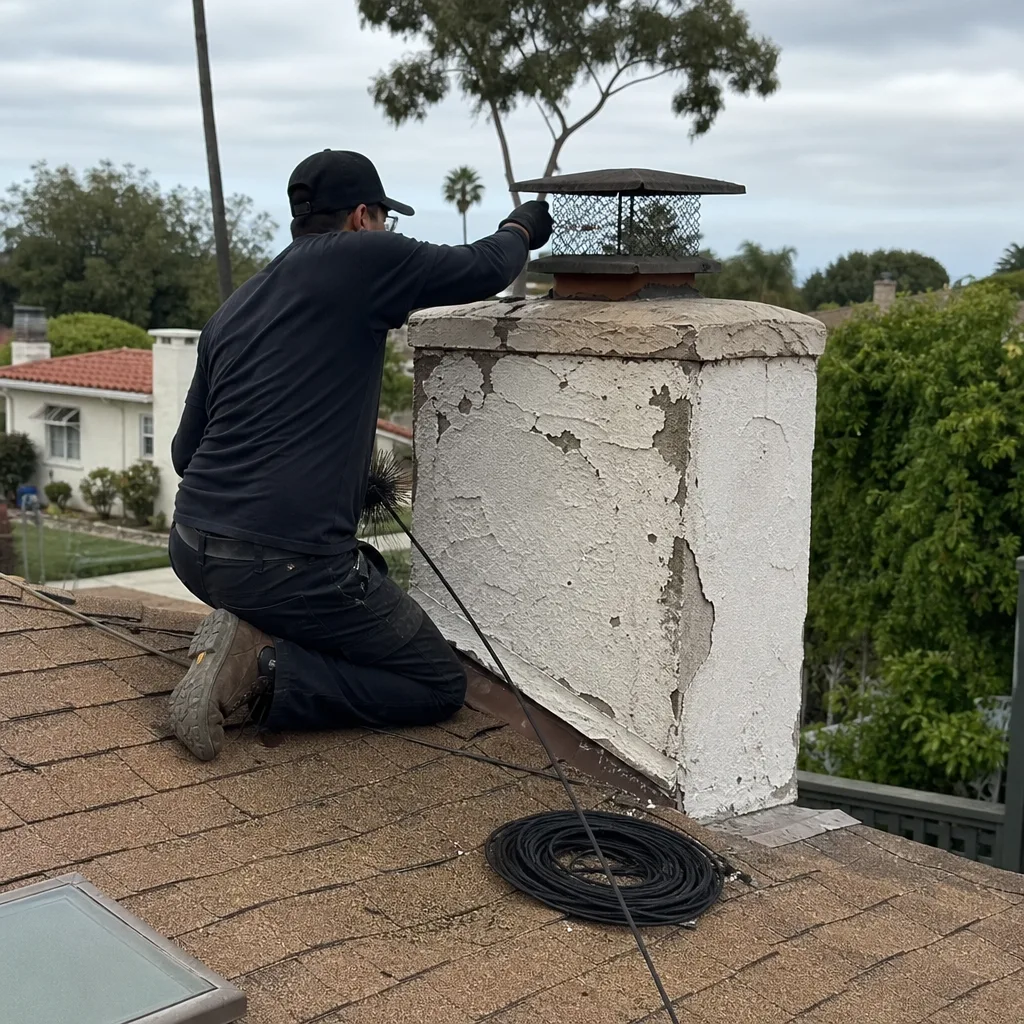
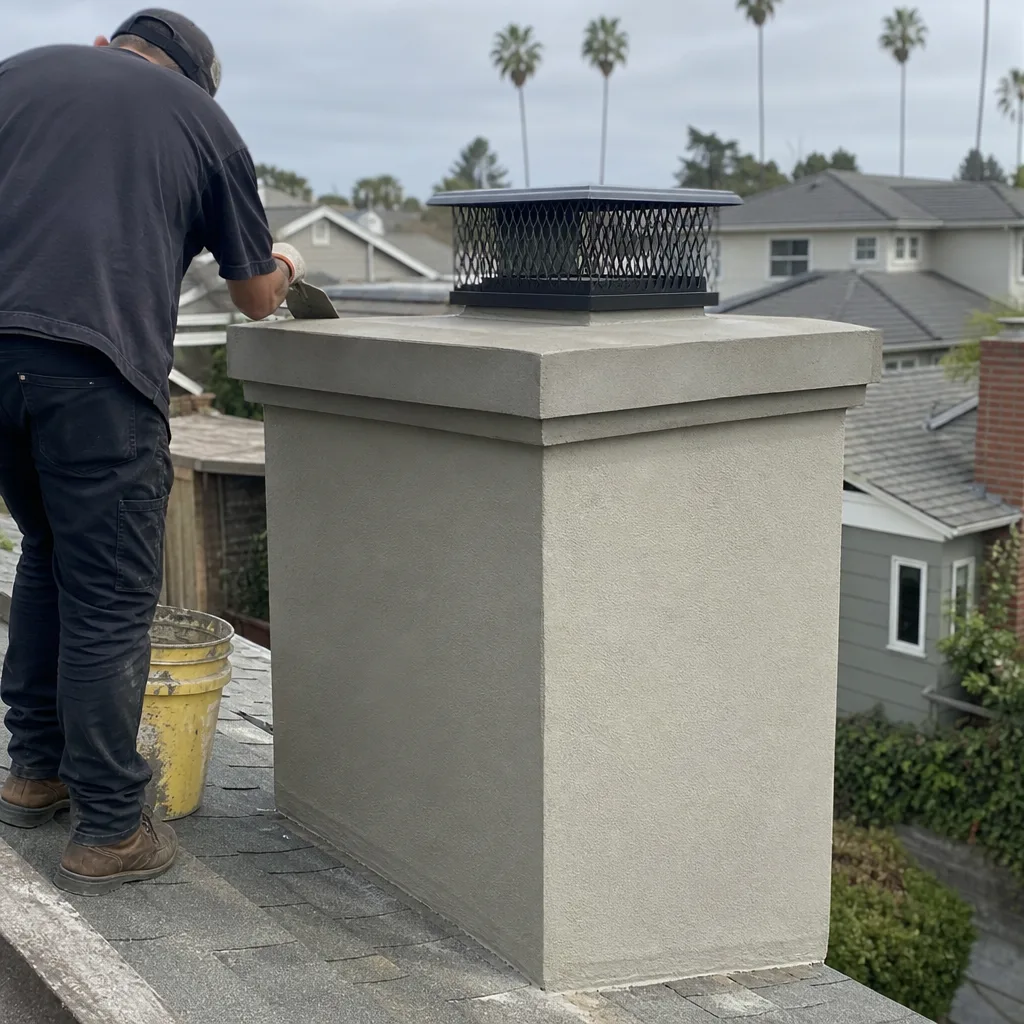
Crown condition matters more in rainy years. The chimney crown, the concrete or mortar surface that caps the masonry, is designed to shed water away from the flue. When it cracks, water pools and soaks into the brick below. During a dry year, you’ll never notice. During an El Niño winter, the same crack allows enough water into the masonry to cause spalling, efflorescence, and interior staining. If you see white, chalky streaks on your chimney’s exterior, that’s water moving dissolved minerals out of the mortar, and it’s the clearest sign your crown or flashing needs attention.
Winter Checklist
- Inspect ceiling areas near the chimney chase and around the fireplace itself for water staining after the first heavy rain
- Look for white efflorescence on exterior brick, which indicates active water movement through the masonry
- Check the firebox for dampness, musty smells, or water marks on the floor after storms
- Verify that flashing sealant hasn’t cracked or pulled away from the brick
- If you have a prefab chimney, check the chase top for standing water or rust streaks
- If you see water in the firebox during a storm, stop using the fireplace and call for an inspection before burning again
If water has been getting in for years, you may be looking at liner damage that goes beyond what a simple sealant fix addresses. A cracked clay tile liner allows water and combustion byproducts to pass through the flue walls, and in a rainy winter, that accelerates interior damage. We evaluate liner condition with a camera inspection, and we stock DuraFlex stainless steel liners and HeatShield restoration materials on our trucks for repair work. You get to see the camera footage yourself, so when we recommend a liner repair or replacement, you’re making a decision based on evidence, not a sales script.
Your dryer vent is a fire hazard hiding in plain sight, and winter is when we see the most dryer vent blockages. Cold weather means heavier clothes, longer dry cycles, and more lint moving through the system. A clogged dryer vent causes your dryer to run hotter and longer, and it’s one of the leading causes of residential fires in the U.S. We offer Dryer Vent Cleaning in Downtown San Diego as a standalone service because we’d rather clear your vent and prevent a fire than get called back after one starts.
How to Build a 12-Month Chimney Maintenance Calendar for Downtown San Diego
Generic maintenance calendars tell you to check your chimney in the fall and call it a year. San Diego’s climate demands a more nuanced approach. Here’s the month-by-month breakdown we recommend for homeowners in the Downtown area, based on the actual weather patterns we experience between the coast and the mesas.
- January: Monitor for water intrusion after storms. Check firebox for dampness, look for ceiling stains. If you see issues, schedule an inspection before the next storm cycle.
- February: This is the wettest month in San Diego on average. Keep an eye on flashing and crown areas after heavy rain. If you use your fireplace regularly, check that creosote isn’t building up faster than expected.
- March: Wind down the burn season. If you used the fireplace heavily, plan for a spring sweep. Start watching for bird activity on your cap and crown.
- April: Schedule your post-season sweep if you’re on the 30-plus fires plan. Have nesting season inspection done: cap mesh, bird guard, and flue interior from above.
- May: May Gray is the perfect time for masonry inspection. The marine layer keeps temperatures mild, and moisture in the air makes hairline cracks easier to spot with a trained eye.
- June: Book structural work: repointing, tuckpointing, crown coating. Dry weather means materials cure properly and roof access is safer.
- July: Check cap security and spark arrestor condition. If your cap is older than five years, have a professional assess whether it’s still secure enough for the coming Santa Ana season.
- August: Inspect chase covers, flashing, and roof penetrations while the weather is dependable. Address any sealant gaps now, not during the first rain event.
- September: Santa Ana pre-season check. Confirm that all external components are secure. This is also a good month to clean the smoke shelf and check damper function before burn season starts.
- October: Schedule your annual sweep. This is the optimal window in San Diego, close enough to burn season that the flue stays clean, late enough that you’re not dealing with summer heat on the roof.
- November: First burns of the season. Test your chimney with a small, hot fire and watch for proper draw. If smoke backs up into the room, don’t ignore it; that’s a venting problem, not a technique issue.
- December: Holiday burn season, often the heaviest use of the year. Keep an eye on creosote accumulation if you’re burning frequently, and be ready to schedule a mid-season sweep if you’re burning every night.
This calendar assumes normal San Diego weather. During El Niño years, shift more attention to winter water intrusion. During drought years, you can let some winter checks slide, but never skip the fall sweep or the summer cap security check. Santa Ana winds arrive every year, regardless of rainfall totals.
Signs Your Chimney Needs Attention Before the Season Turns
You don’t need to be a chimney technician to spot most of the warning signs. Here’s what to look for in your own home, organized by where you’ll see it. If you notice any of these, address them before the season changes, because catching problems early in Downtown San Diego is always cheaper than waiting for water or fire damage to force the issue.
Outside the Chimney
- White, chalky streaks on the brick: Efflorescence. Water is moving through the masonry and depositing minerals on the surface. This is never cosmetic; it’s diagnostic.
- Loose or missing cap: If your cap has shifted, or if pieces of it are missing, birds and rain are getting in. A missing cap on a burning fireplace is a spark hazard in Santa Ana conditions.
- Cracked or deteriorated mortar joints: Run your hand along the mortar between bricks. If it crumbles to dust when you touch it, water is entering through the joints.
- Rust streaks on a metal chimney: Chase covers and metal flue pipes rust from the inside out. By the time you see streaks, the metal has already lost significant structural integrity.
Inside the Firebox
- Dampness or a musty smell after rain: Active water intrusion. It doesn’t have to be a lot of water. Persistent dampness in the firebox means the flue is compromised.
- Flakes of tile or masonry at the bottom of the firebox: The liner or firebox refractory is deteriorating, and you’re seeing the evidence collecting where the fire sits.
- Smoke backing up into the room: A drafting problem. Could be a blockage, a damper issue, or a liner that’s too cold to draw properly. It’s never normal, and it’s always worth an inspection.
- Black, tarry coating on the flue walls: Third-degree creosote, the most concentrated and most fire-prone form. This requires professional removal, not a home brush kit.
Around the House
- Ceiling stains near the chimney chase: Water is getting in around the flashing or crown and migrating through the ceiling drywall. The source may not be directly above the stain.
- A burning smell when the fireplace isn’t in use: Hot air from the house is rising into the flue and pulling stale creosote or soot odors back down. This often indicates a damper that isn’t sealing properly.
- Higher gas bills in winter: If your damper is stuck open, heated air from your house is escaping up the chimney 24 hours a day. A damper that won’t close is costing you money every hour your heater runs.
Common Mistakes to Avoid
- Following a national maintenance schedule instead of a San Diego one. Sweeping in early September because a national guide told you to means your flue sits clean for two months before you actually burn. Birds, Santa Ana dust, and coastal humidity all work on an unused flue during that window. Sweep in late October instead.
- Ignoring May Gray and June gloom as a chimney factor. That marine layer isn’t just cloudy weather; it’s a daily humidity source that rises into uncapped flues and accelerates corrosion on any metal component. A properly fitted cap with intact mesh is your defense against months of damp air.
- Assuming no rain means no water risk. San Diego’s average rainfall is low, but our rain comes in concentrated storm events that test flashing and crown integrity in hours, not months. A chimney that survived a dry year can leak badly in a single January atmospheric river.
- Using a hardware store cap as a permanent solution. Big-box caps are built to a price point, not to survive a decade of Santa Ana winds and salt-adjacent coastal air. Professional-grade caps from brands like Copperfield are engineered for specific chimney dimensions and wind loads. The upgrade cost is modest. The replacement cost after a cheap cap fails is significant.
- Skipping the spark arrestor because you don’t have a wood fireplace. Spark arrestors do more than stop sparks; they keep birds out and block wind-driven debris from entering your flue. A gas fireplace chimney without a proper arrestor is still a nesting target and a debris collector.
- Waiting until you see water in the firebox to call. Once you see water inside the firebox, the water has already traveled through the crown, the masonry, or the flashing. The damage done before you noticed it is often more extensive than the leak itself. Inspect before the rain, not after.
- Letting a handyman repoint a chimney instead of a chimney professional. Mortar composition, joint depth, and application technique matter for chimney masonry. Standard brick mortar doesn’t hold up to the temperature cycling and moisture exposure of a chimney. This is one job where specialized knowledge pays for itself.
When to Call a Professional
Some chimney issues you can see and understand as a homeowner. A loose cap, a water stain, a draft that feels wrong; those are signs you’re observant, not a DIY chimney expert. But the line between “I can watch this” and “this needs a professional now” is where a lot of San Diego homeowners get into trouble. If you see any active water intrusion in or around the firebox, if you smell burning creosote when there’s no fire, if your chimney cap is loose enough to move, or if you haven’t had a sweep in more than three years, call a professional. These are not optional maintenance items; they’re safety issues with real stakes. Chimney fires happen fast, carbon monoxide is invisible, and water damage compounds quietly. Hometown Chimney Sweep offers free estimates in Downtown San Diego, and we’ll show you camera footage of whatever we find before we recommend any work. Call (866) 670-3503 to schedule an inspection.
Frequently Asked Questions
In San Diego, once a year is the right cadence for homes that burn regularly, and that sweep should happen in late October or early November, just before burn season starts. If you burn fewer than 20 fires a year, you may be able to stretch to every 18 months, but have a professional confirm that your specific flue conditions support that interval. Gas fireplaces still need annual venting checks because blockages form even without wood-burning creosote. Call (866) 670-3503 for an exact recommendation based on your home.
A standard chimney sweep in the Downtown San Diego area typically runs between $165 and $280, depending on the flue type, roof access difficulty, and whether you’re adding a cap or bird guard evaluation. Prefab metal chimneys cost less to sweep than traditional masonry. If this is your first sweep in years, expect to pay at the higher end, and plan for the possibility that the sweep reveals issues that need additional work. Call (866) 670-3503 for a free estimate.
You can, but you shouldn’t, at least not in a way that replaces professional equipment. Achieving a full, safe cleaning requires a rotary brush system that scrapes creosote from the entire flue circumference, not a wire brush on a rod from the hardware store. You also can’t see the upper flue from the firebox, so you won’t know if you missed deposits or if there’s a crack in the liner. A proper inspection requires camera verification, and that’s standard equipment for a qualified sweep. Call (866) 670-3503 to book a professional sweep that includes camera inspection.
Creosote accumulates. If you burn wood, a few years of use without cleaning means layered creosote deposits that range from flaky and removable to hard, glassy, and fire-prone. A chimney fire burns fast and hot, often cracking the flue liner and allowing the fire to reach the wood framing around the chase. If you have a gas fireplace, skipping cleaning doesn’t create the same creosote risk, but soot and debris can block the venting path, and a blocked gas vent is a known carbon monoxide source. Don’t skip the cleaning. Call (866) 670-3503 to schedule a sweep before you light another fire.
Yes. Gas fireplaces don’t produce creosote, but they do produce soot, mineral deposits, and acidic condensation byproducts that corrode metal components over time. The bigger risk is that a gas flue can become blocked by debris, bird nests, or fallen cap components. A blocked gas vent forces combustion gases back into the living space, and those gases include carbon monoxide. Have a gas fireplace vent inspected annually, ideally in the fall. Call (866) 670-3503 to book a gas fireplace vent check.
Look for three specific signs. First, white, chalky streaks on the exterior brick mean water is moving through the masonry. Second, a musty smell in the firebox or dampness after rain means water is actively entering. Third, ceiling stains near the chimney chase mean water has traveled from a compromised flashing or crown into your ceiling structure. Any one of these signs justifies a professional inspection. All three together means you should call (866) 670-3503 this week, before the next rain event.
Some chimney companies push liner replacement aggressively, but the only honest way to know is to look inside the flue with a camera. A cracked clay tile liner is a real problem, but sometimes the fix is a HeatShield restoration coating rather than a full replacement. Sometimes a liner is perfectly serviceable and just needs a proper sweep. The key is working with a company that shows you the camera footage and explains what you’re seeing. Call (866) 670-3503 and ask for a camera inspection so we can show you exactly what’s happening in your flue.
The Bottom Line
San Diego’s chimney care calendar looks different from the national playbook, and that’s exactly the point. Our chimney stressors come from May Gray humidity, Santa Ana winds, and concentrated winter rain events, not from freeze-thaw cycles and snow loads. The winning strategy is simple: sweep in late October, inspect caps and mortar in late summer, watch for water intrusion every winter, and treat bird nesting season in spring as a real maintenance priority. Do those four things and your chimney will do its job safely, year after year, whether we’re in a drought or an El Niño. And if you want a professional opinion, our team at Hometown Chimney Sweep knows Downtown San Diego chimneys intimately, because we work on them every day. For more guides & resources, visit our blog.
Written by the team at Hometown Chimney Sweep, serving Downtown San Diego since 2015.
See the difference
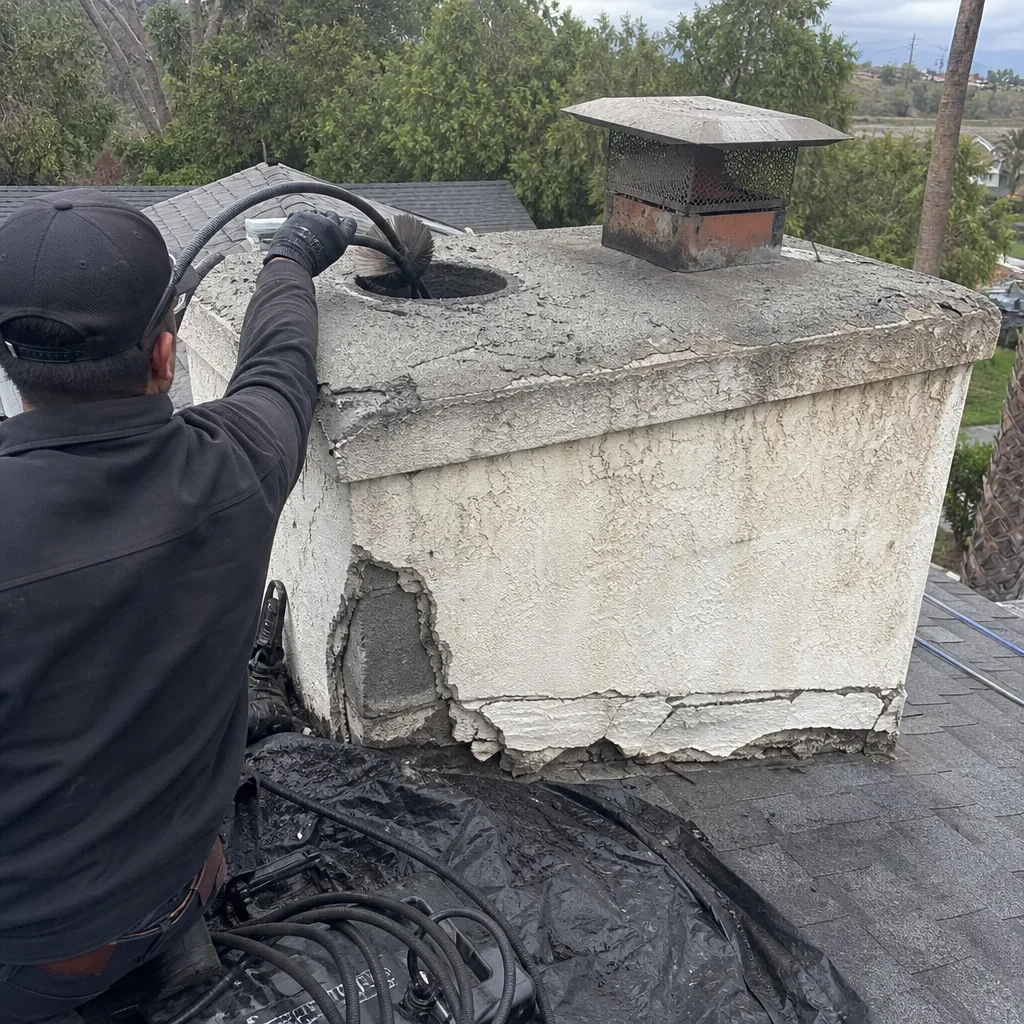 Before
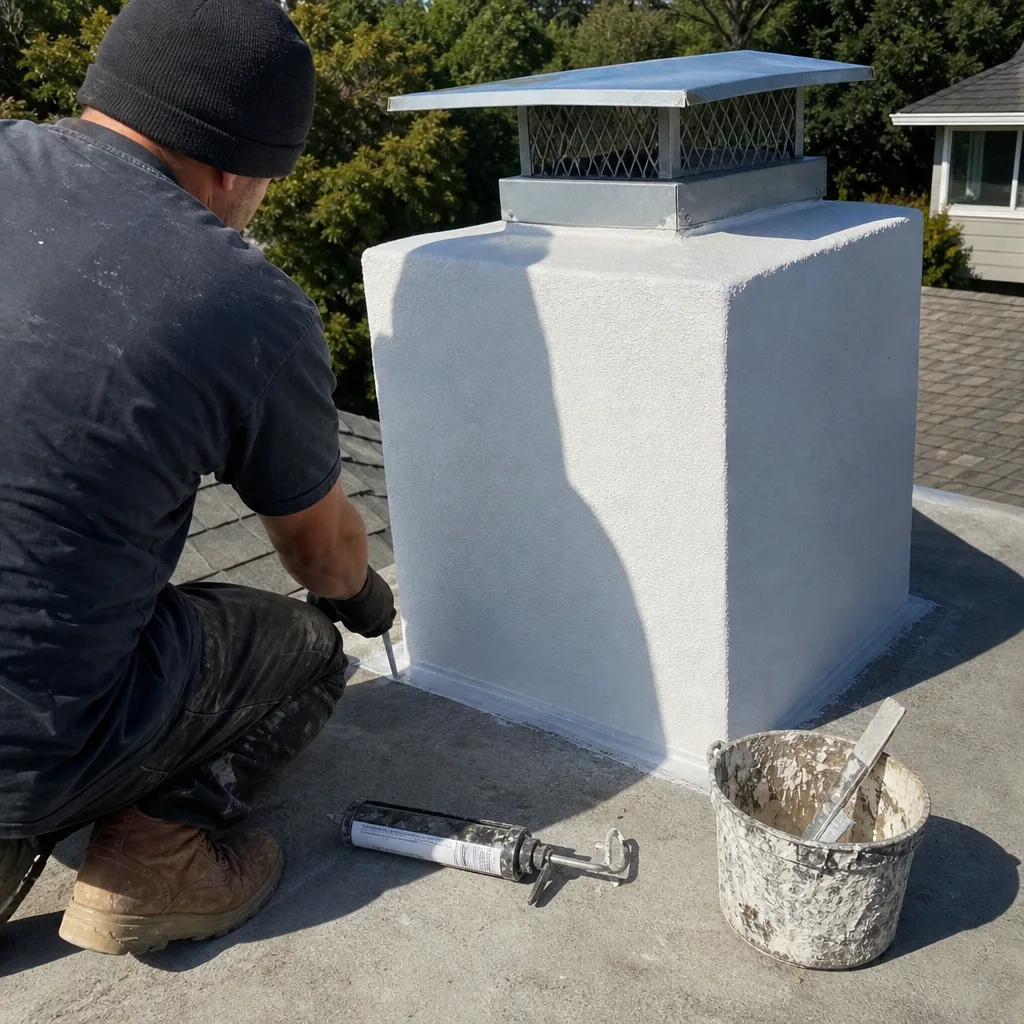 After
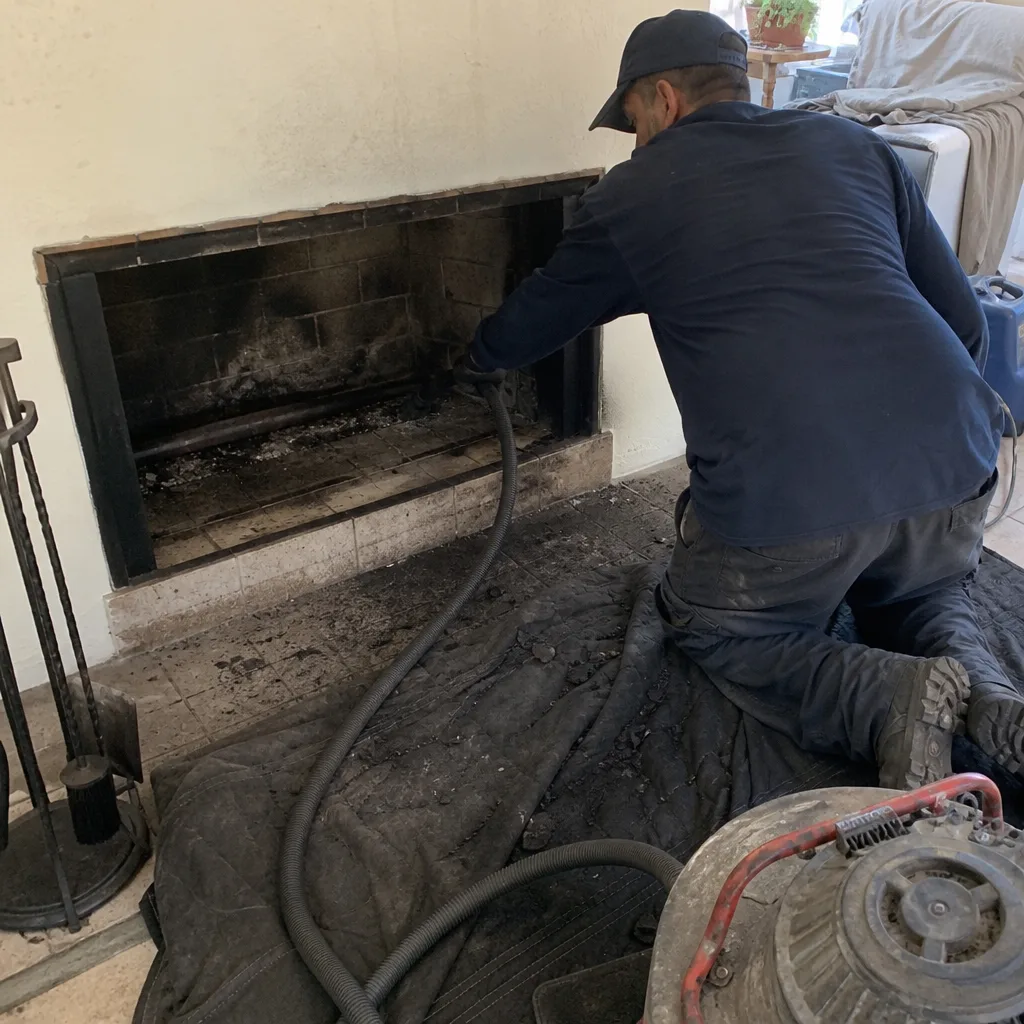 Before
 After
 Before
 After