
Last updated November 2, 2026
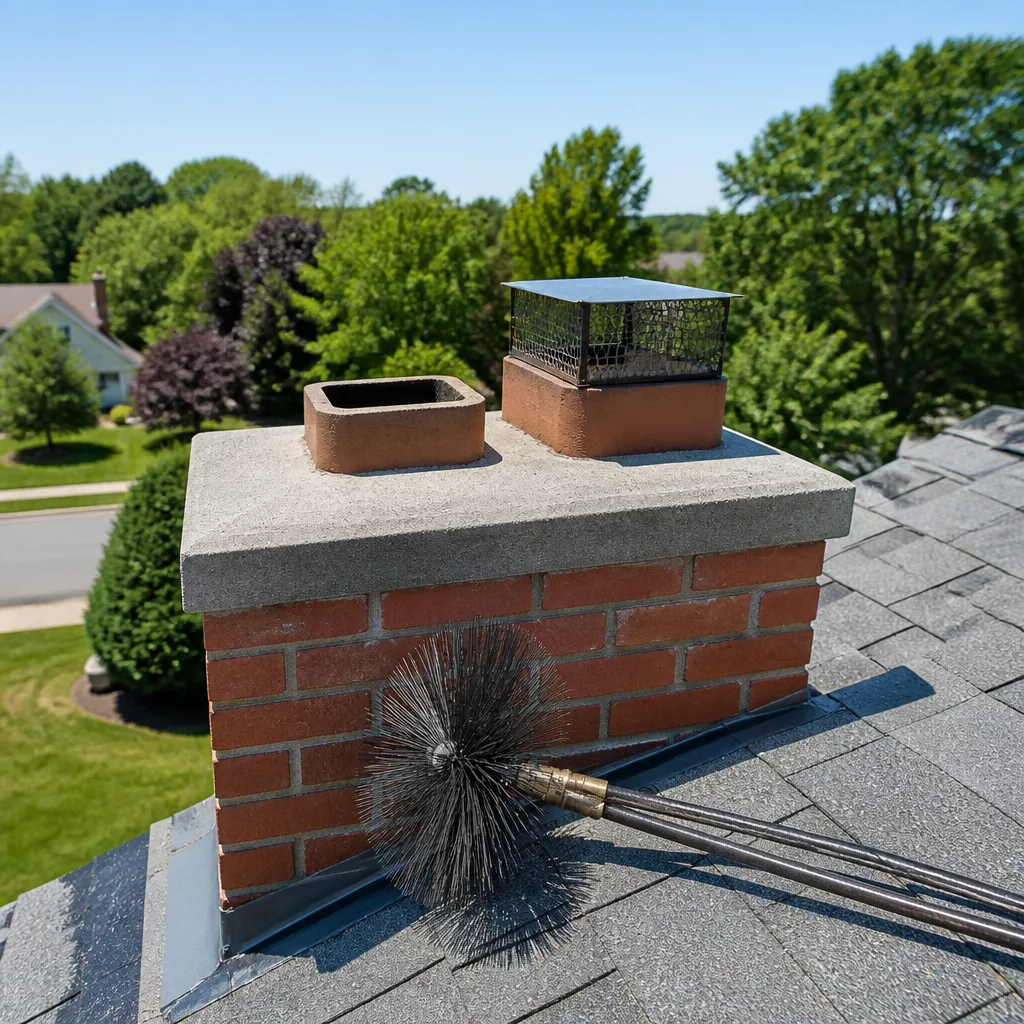 Sweep & inspection
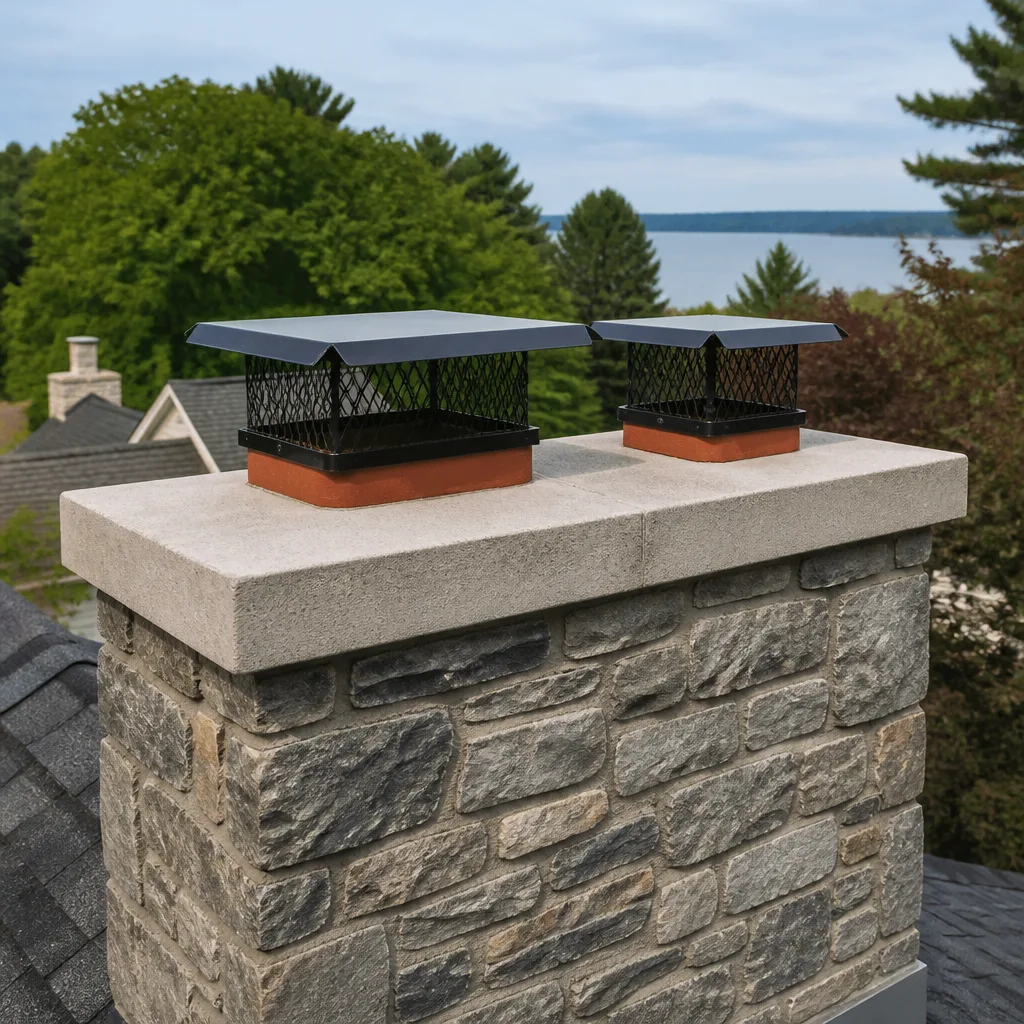 Caps & crowns
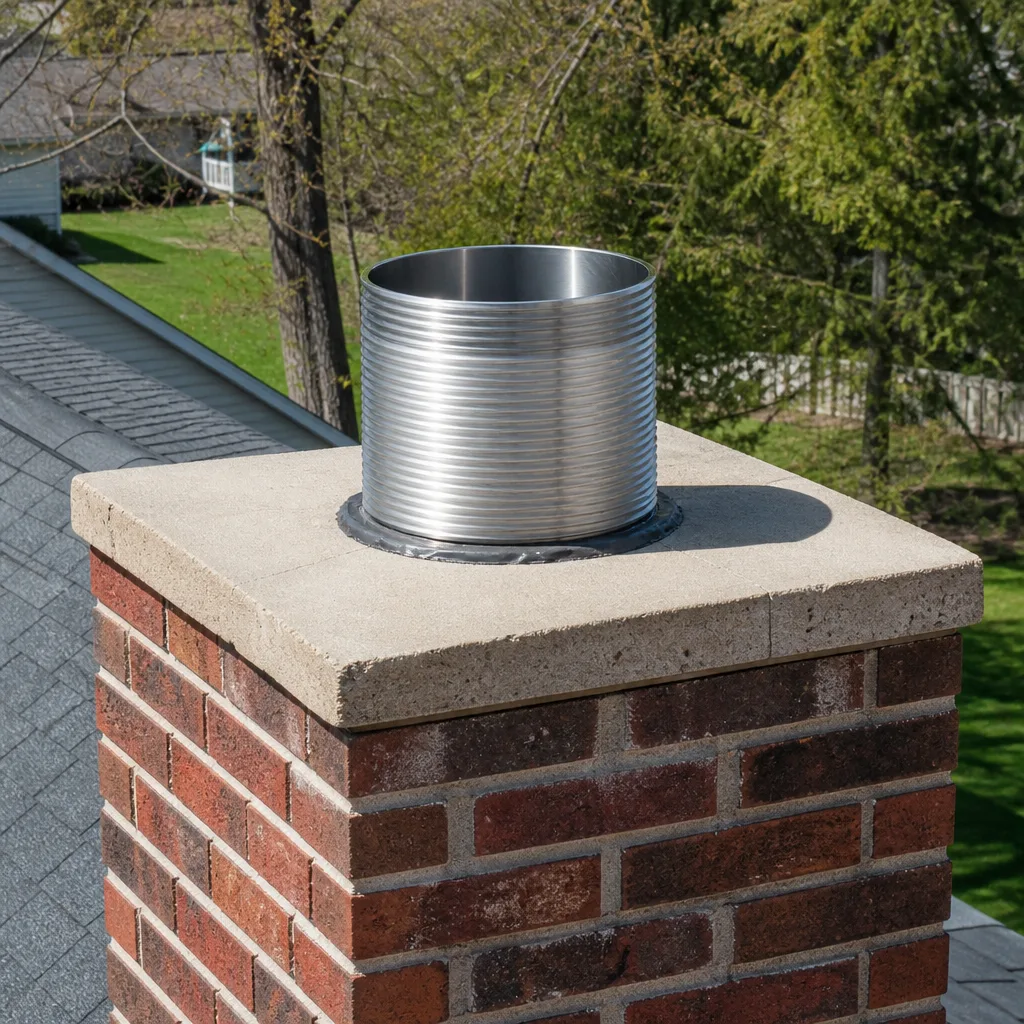 Flue relining
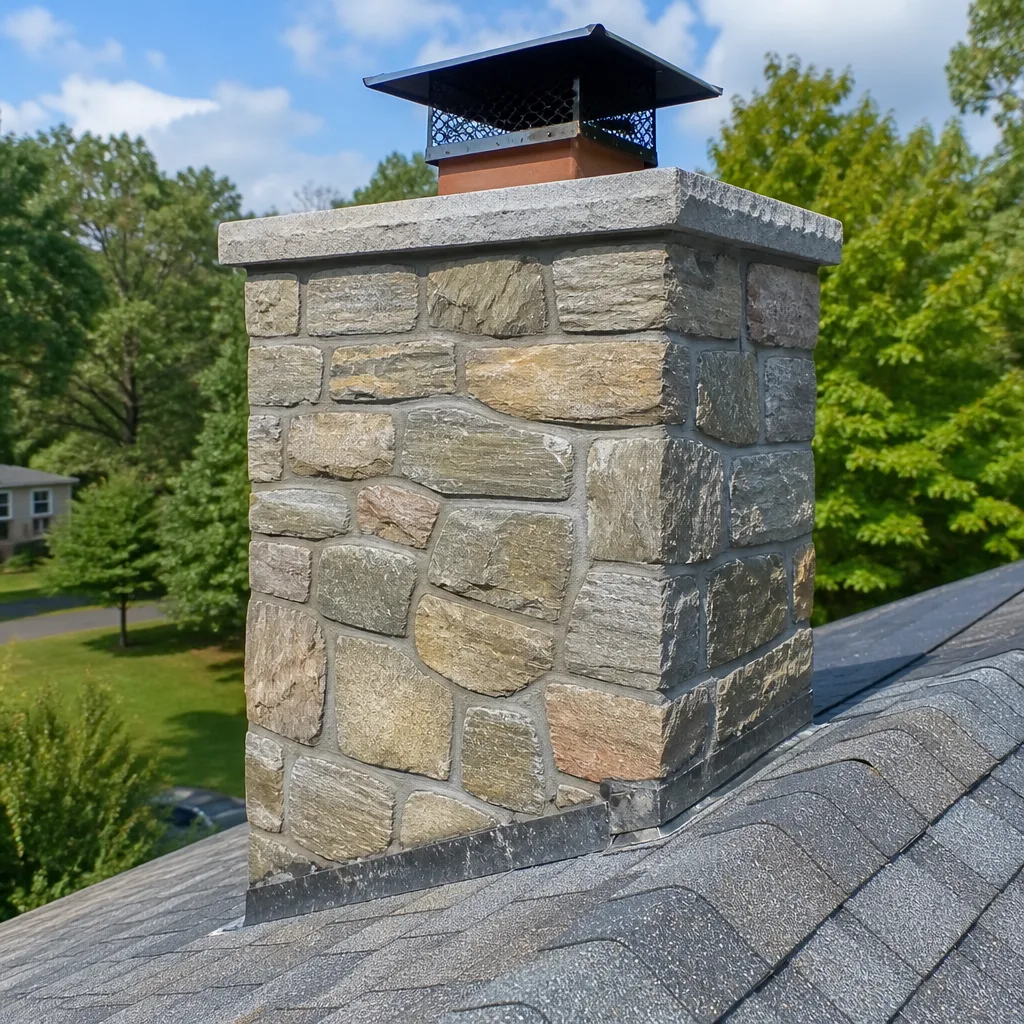 Masonry repair
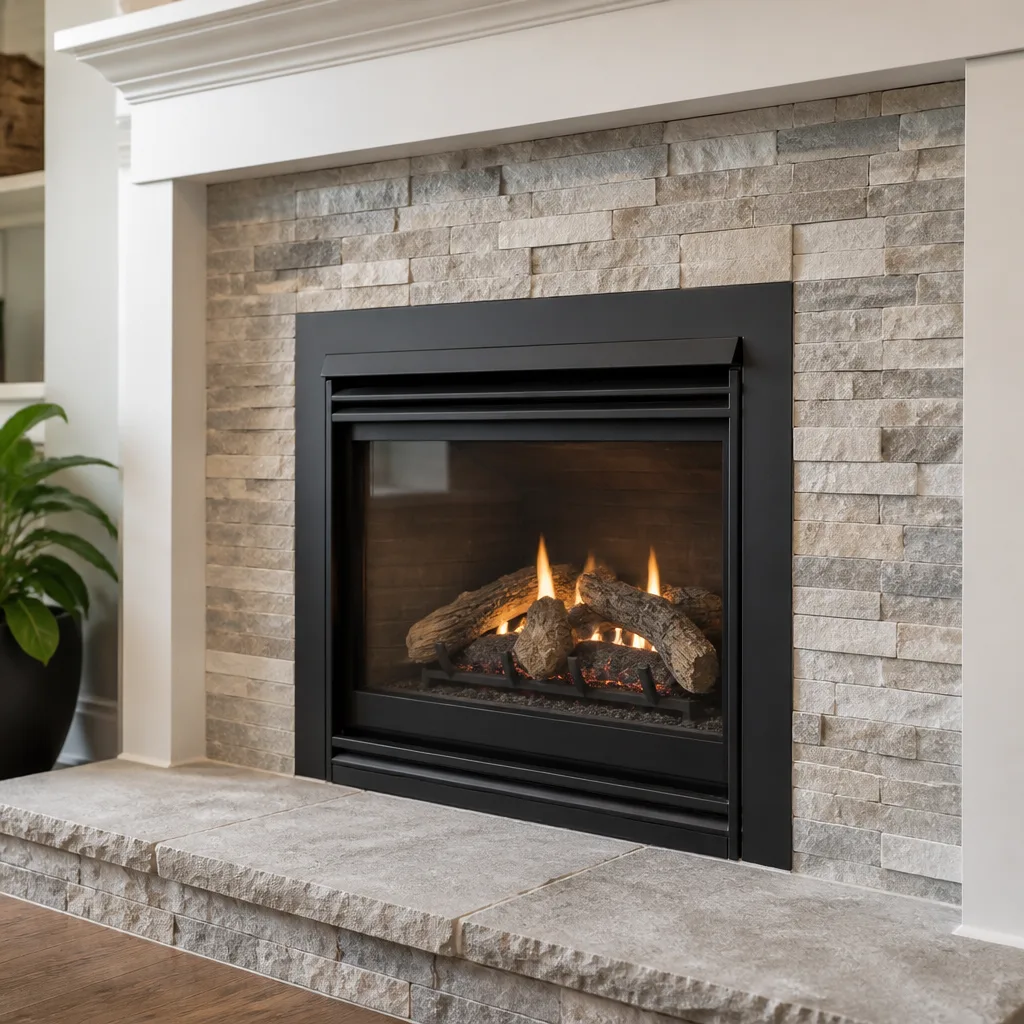 Gas fireplace service
Level 1 sweep and inspection to the NFPA 211 annual standard - flue, crown, cap, and flashing checked and photographed
Chimney sweep logs do not sweep chimneys. They loosen some creosote - which then falls where a brush and vacuum still have to collect it.
Chimney Cleaning Emergency Preparedness Guide for Downtown San Diego Homes
A chimney fire doesn’t always announce itself with flames shooting from the top. The slow-burn variety, creosote igniting inside the flue without visible exterior fire, can damage your liner for 20 minutes before anyone inside the house smells anything. Downtown San Diego’s older housing stock, much of it built before modern liner standards, is especially vulnerable. This guide covers how to recognize the warning signs, what to do in the first 90 seconds, and how to prepare your Downtown San Diego home before an emergency ever happens.
Styles & brands we work with
- Sweep & inspection
- Caps & crowns
- Flue relining
- Masonry repair
- Gas fireplace service
Quick Answer
Chimney emergencies in Downtown San Diego follow three predictable patterns: slow-burn chimney fires from creosote buildup during the first fall burn, carbon monoxide events from blocked flues after summer nesting season, and water intrusion failures after El Niño storms. Preparing for each means having working detection equipment, knowing the correct call sequence, and keeping a pre-season emergency kit on hand. The most important preparation is a professional chimney sweep before burning season starts.
Table of Contents
- Recognizing a Slow-Burn Chimney Fire: The Sounds, the Heat Test, and the First 90 Seconds
- Carbon Monoxide Protocol for Downtown San Diego Condos and Row Houses
- Emergency Water Intrusion: The First 24 Hours After a Storm
- Pre-Season Emergency Kit: What to Have Before the First Fall Fire
- Finding a Legitimate Emergency Chimney Contractor in San Diego at 10pm
- Why Downtown San Diego’s Housing Stock Creates Unique Chimney Risks
- The Maintenance Schedule That Prevents Most Emergencies
- Common Mistakes to Avoid
- When to Call a Professional
- Frequently Asked Questions
- The Bottom Line
Recognizing a Slow-Burn Chimney Fire: The Sounds, the Heat Test, and the First 90 Seconds
Slow-burn chimney fires are the most dangerous kind because they don’t look like fires. Creosote, the tar-like residue that condenses on flue walls when wood smoke cools, ignites at around 451°F and burns like a charcoal briquette, glowing and smoldering rather than flaming. In our experience with Downtown San Diego homes, these fires often start in fireplaces that haven’t been swept in two or more seasons, or after a homeowner burns unseasoned wood from a local supplier that delivered green eucalyptus or pine.
Here’s what to listen for while a fire is burning:
- A low rumble or roar that sounds like a freight train in the distance, not the crackle of normal wood fire. This is air rushing through restricted flue space.
- Popping or snapping that continues even after you’ve stopped adding wood.
- Clicking sounds from metal flue components expanding under heat they weren’t designed to handle.
The damper heat test is simple. Place your hand on the wall directly above the fireplace opening, not the mantel but the plaster or drywall above it. If that surface is too hot to hold your hand against for five seconds, the firebox is radiating heat into the surrounding structure at an abnormal rate. A normal fireplace fire warms the room. A chimney fire heats the wall.
For the exterior visual check, step outside and look at the chimney crown and flue cap. During a slow-burn fire, you may see dense smoke that’s darker and thicker than normal wood smoke, sometimes with an acrid, chemical smell. Flames may not be visible at all. What you’re looking for is smoke that looks wrong, heavy and greasy rather than thin and wispy.
If you suspect a chimney fire, here’s the correct sequence:
- Call 911 first. Do not wait to confirm. The fire department would rather respond to a false alarm than arrive 20 minutes too late.
- Close the damper if you can do so safely. Cutting off oxygen slows combustion. Do not reach into a hot firebox.
- Evacuate everyone from the building. Slow-burn fires can spread through wall cavities to attics and adjacent rooms.
- Do not use water. Water on a hot flue can cause thermal shock, cracking the liner and creating a direct path for fire into the structure.
- After the fire department clears the scene, call a chimney professional for a full inspection before burning again. Our Chimney Sweep in Downtown San Diego services include post-fire assessments.
A chimney fire of any size damages the flue. Even if the fire department says everything looks fine from the outside, the liner may have hairline cracks that make the next fire considerably more dangerous. A proper inspection with a camera can determine whether the liner needs repair or replacement, and we stock chimney repair materials in Downtown San Diego including HeatShield and DuraFlex for exactly this situation.
Carbon Monoxide Protocol for Downtown San Diego Condos and Row Houses
Carbon monoxide poisoning from blocked flues is the most preventable chimney emergency. Downtown San Diego’s climate means windows stay closed during the summer air conditioning months, and birds, squirrels, and rats build nests in uncapped flues during the spring nesting season from March through June. The first cool evening in October, when you light a fire for the first time, is when those nests become a carbon monoxide problem.
Downtown San Diego condo and row house configurations add a layer of complexity that single-family homes don’t face. Shared walls mean flues from multiple units often run through the same chimney chase. A blocked flue in unit 301 can push carbon monoxide into unit 201 through gaps in the chase, even if unit 201’s fireplace isn’t in use. Evacuation routes are also different in multi-unit buildings, often requiring coordination with neighbors and building management.
Here’s the carbon monoxide protocol for Downtown San Diego residents:
- Install CO detectors per NFPA standards. The National Fire Protection Association recommends one detector on each level of the home, one outside each sleeping area, and one inside each bedroom if the home has fuel-burning appliances. In a condo, your detector should be installed at least 15 feet from the fireplace to avoid false alarms from normal fire startup.
- Know your building’s flue configuration. If you live in a condo or row house, find out which flue is yours. Your HOA or building management should have this information, but many Downtown San Diego buildings have incomplete records. A chimney professional can trace the flue.
- If your CO detector alarms, evacuate immediately. Do not open windows and air out the room first. Leave the building, call 911 from outside, and let the fire department locate the source. Carbon monoxide is invisible and odorless, and symptoms like headache and drowsiness don’t always register before it’s too late.
- After the event, have the flue inspected before re-entry. A blocked flue is the most common cause, but cracked heat exchangers, malfunctioning dampers, and negative air pressure from kitchen exhaust fans can all contribute. We handle full diagnostics through our Chimney Repair in Downtown San Diego services.
One note specific to dense housing: Downtown San Diego row houses and older condos often have fireplace flues that were built without modern clearance to combustibles. The brick or masonry that made sense in 1940 doesn’t meet today’s code. If your building hasn’t had a full chimney assessment in the last decade, the first cold snap is a risky time to discover the gap.
Emergency Water Intrusion: The First 24 Hours After a Storm
Downtown San Diego’s Mediterranean climate means long dry periods followed by intense rain events. When El Niño conditions develop, the first heavy storm after eight or nine months of drought finds every crack in every chimney crown. Water enters the firebox, soaks into the refractory panels, and starts breaking down the mortar joints and firebrick. What looks like a minor leak on day one becomes a structural problem by day thirty.
Refractory materials, the firebrick and mortar panels that line the firebox, are porous. When they absorb water and then dry unevenly during the next burn, the thermal expansion causes cracking. Once cracked, they lose their ability to protect the surrounding structure from heat. That’s the accelerated deterioration timeline: one storm, one drying cycle, one burn, and the firebox needs replacement rather than repair.
What to do in the first 24 hours after you notice water in the firebox:
- Do not light a fire. Wet refractory materials crack under thermal stress. Wait until the firebox is completely dry and inspected.
- Remove standing water with towels or a wet vac. The less time water sits against the refractory panels, the less absorption occurs.
- Place a fan in the firebox opening to accelerate drying. Do not use a hair dryer or heat gun, as concentrated heat can cause localized thermal shock.
- Cover the chimney top if possible. A tarp secured over the cap prevents additional water entry while you arrange an inspection. Do not climb onto the roof yourself, Downtown San Diego rooflines are often steep and the wet surface makes them dangerous.
- Schedule a chimney inspection as soon as the storm passes. The inspector will check the crown, flashing, and cap for the water entry point and assess refractory damage.
Water intrusion is why we recommend an annual inspection even if you rarely burn. A cracked crown is a $200 to $400 fix when caught early. Rebuilding a firebox runs into the thousands. The math is simple. Our Hometown Chimney Sweep home services include water damage assessment as part of standard sweeps in Downtown San Diego.
Pre-Season Emergency Kit: What to Have Before the First Fall Fire
Most chimney emergencies happen during the first burn of the season. That’s when hidden problems surface: a damper that’s rusted shut, a flue blocked by a bird’s nest, a smoke detector that’s been chirping for six months with a dead battery. Having the right items on hand before that first fire means you’re responding to problems rather than panicking.
Here’s what belongs in a pre-season emergency kit for Downtown San Diego fireplaces:
- Replacement damper handle. Damper handles are the most commonly broken fireplace component. The cast iron versions used in many Downtown San Diego homes snap under repeated heat cycling. A replacement handle costs under $20 at any hardware store and takes five minutes to install.
- Fireplace glass cleaner and a razor scraper. Creosote and soot film build up on glass doors during the season. The buildup isn’t just cosmetic, it can obscure your view of the fire, making it harder to monitor burn conditions. Clean glass also means you see smoke roll-out problems sooner.
- Extra smoke detector and CO detector batteries. Replace all detector batteries on the same day you schedule your chimney sweep. Test each detector monthly during burning season.
- A fire extinguisher rated for Class A fires, kept within reach but not directly next to the fireplace where heat could compromise it.
- Seasoned firewood from a supplier who can tell you the moisture content. Wet wood produces more creosote and burns cooler. Look for wood that’s been split and stacked for at least six months. Ask the supplier for a moisture reading if they have a meter.
- Chimney cap inspection mirror. A small inspection mirror lets you check the flue from inside the firebox for obvious obstructions before lighting the first fire. You won’t see everything, but you’ll catch the bird nests built directly above the damper.
CO detector placement matters more than most homeowners realize. NFPA standards call for detectors outside each sleeping area and on every level. In a Downtown San Diego condo, where bedrooms may be closer to the fireplace than in a house, the detector outside the bedroom is your primary defense. Mount it at least 15 feet from the fireplace, and follow the manufacturer’s height recommendation, since CO mixes evenly with air and height placement is less critical than for smoke detectors.
Finding a Legitimate Emergency Chimney Contractor in San Diego at 10pm
When a chimney emergency happens at night, the instinct is to call the first number that appears in a Google search. That instinct gets homeowners burned. The chimney industry has a problem with unqualified operators who buy Google ads and subcontract work to whoever answers the phone. In an emergency, the wrong contractor makes things worse and charges more for the privilege.
Here’s how to verify a chimney contractor in San Diego, even at 10pm:
- Ask for the CSIA certification number. The Chimney Safety Institute of America is the industry standard. Ask for the number and verify it on the CSIA website before the technician arrives. A legitimate company won’t hesitate to provide this.
- Ask what brands they install. Professional chimney contractors use professional materials. If the contractor can’t name the liner brand they use, or offers only generic “liner material,” that’s a red flag. We stock and install DuraFlex, HeatShield, Gelco, Olympia Chimney, Famco, and Copperfield components. Every one of these is a professional-grade product line, not a big-box store brand.
- Ask about their camera inspection protocol. Any legitimate chimney company uses a video camera for flue inspections. If the contractor plans to diagnose your problem by looking up the chimney with a flashlight, find someone else.
- Ask for a written estimate before work begins. Emergency pricing is real, but it should be transparent. A contractor who won’t put numbers on paper before starting work is setting up for a surprise invoice.
- Check what services they actually offer. Many “emergency chimney services” in San Diego are fireplace cleaning companies that sub out repair work. A full-service chimney contractor handles cleaning, diagnostics, and structural repair under one roof. If the company wants to clean your chimney before diagnosing the problem, that’s a red flag. A proper diagnosis comes first.
Our dryer vent cleaning in Downtown San Diego services operate on the same principle: diagnose first, then recommend. The same approach applies to emergency chimney situations. We’d rather lose a job than sell a repair that wasn’t necessary.
Why Downtown San Diego’s Housing Stock Creates Unique Chimney Risks
Downtown San Diego is not a uniform housing market. The neighborhood includes Victorian-era homes in Sherman Heights, 1920s Spanish Revival buildings in Bankers Hill, mid-century condos in Marina District, and modern high-rises near the Gaslamp Quarter. Each era has its own chimney construction methods, and each construction method has its own failure modes.
Homes built before 1950, common in Sherman Heights and parts of Golden Hill, typically have unlined masonry chimneys. These chimneys were built before modern flue liner standards existed, and many have never been retrofitted. Clay tile liners, where they exist, are cracked after decades of thermal cycling. Unlined chimneys allow creosote to soak into the surrounding masonry, creating a fire risk that extends beyond the flue itself.
Mid-century construction in Downtown San Diego used a mix of masonry and metal flue systems. The metal flues from this era, often double-wall stainless steel, are now past their expected service life. Seams separate, insulation degrades, and the flue no longer maintains proper draft. Buildings from the 1960s and 1970s, particularly in the Marina District and Cortez Hill, are entering a period where original flue systems need replacement.
Modern high-rises near the waterfront have their own challenges. These buildings often use factory-built fireplace systems that were never designed for the marine environment. Salt air accelerates corrosion on metal components, and the chimney caps on these systems are frequently damaged by high winds during winter storms. We see more cap replacements in the high-rises along Harbor Drive than in any other part of our service area.
The common thread across all Downtown San Diego housing eras: deferred maintenance. The mild climate means fireplaces get used less than in colder cities, and less frequent use means problems take longer to surface. By the time a Downtown San Diego homeowner notices an issue, the repair is often more extensive than it would have been with annual inspections.
The Maintenance Schedule That Prevents Most Emergencies
Emergency preparedness starts with routine maintenance. The National Fire Protection Association recommends a chimney sweep at least once per year for wood-burning fireplaces, and an annual inspection for gas fireplaces. Following this schedule eliminates the majority of emergency scenarios before they happen.
Here’s the maintenance calendar we recommend for Downtown San Diego homes:
- September: Schedule your annual chimney sweep before the first burn. This catches nests, creosote buildup, and damper issues while there’s still time to schedule repairs before cold weather.
- October: Test smoke and CO detectors, replace batteries, and clean fireplace glass. Stock the pre-season emergency kit.
- November through February: Burn only seasoned wood. Check the damper and flue visually before each fire. Listen for unusual sounds during burning.
- March: After the last fire of the season, schedule a post-season inspection. This is the best time for repairs, since you won’t need the fireplace for months.
- May through June: Bird nesting season. Check the chimney cap for nesting activity. If you see birds entering or exiting the cap, schedule a cap replacement or repair.
- July through August: Schedule any repairs identified during the post-season inspection. Contractors have more availability before the fall rush.
This schedule costs roughly $200 to $400 per year for the sweep and inspection, depending on chimney height and condition. Compare that to the average chimney fire repair, which runs $3,000 to $7,000 when liner replacement is required, and to the cost of a carbon monoxide event, which can’t be measured in dollars. Annual maintenance is the cheapest insurance you’ll ever buy for your home.
For Downtown San Diego residents who haven’t had a sweep in years, or who just bought a home with an unknown chimney history, a level two inspection is the starting point. This is the camera-based inspection that evaluates the entire flue system, and it’s what we recommend for every new homeowner before their first burn. Our Chimney Sweep in Downtown San Diego services start with this inspection before any cleaning work happens.
Common Mistakes to Avoid
- Burning unseasoned wood in a Downtown San Diego fireplace. Our local suppliers often sell wood that hasn’t been properly dried. Wet wood creates more creosote, which increases the fire risk. Ask for a moisture reading before accepting delivery.
- Using the fireplace as a heat source during a power outage. Downtown San Diego occasionally loses power during storms, and a fireplace seems like the obvious solution. But if the chimney hasn’t been inspected, you’re gambling with your life. A blocked flue during a power outage is a carbon monoxide setup.
- Ignoring a smoke smell after the fire is out. A faint smoky odor that lingers for days is usually a sign of flue damage or a partially blocked chimney. It won’t get better on its own.
- DIY chimney cleaning with chemical logs or brushes from the hardware store. Chemical creosote removers don’t remove creosote, they convert it to a powder that then needs professional removal. Hardware store brushes can’t reach the flue walls effectively without proper training, and using them on a tall Downtown San Diego roofline is dangerous.
- Waiting until the first cold night to schedule a sweep. By November, the schedule is full and you’ll be tempted to burn anyway. September is the time to call.
- Assuming a gas fireplace doesn’t need maintenance. Gas fireplaces produce less creosote but still need annual inspections for venting, gas connections, and carbon monoxide risk. Downtown San Diego condos with gas fireplaces are not exempt from chimney maintenance.
- Trusting a home inspector’s chimney assessment without a specialist follow-up. Home inspectors do a visual check, which catches obvious issues but misses the internal flue damage that a camera inspection reveals. If your inspector flagged anything, get a specialist to look.
When to Call a Professional
Any of the following situations warrants a professional chimney inspection in Downtown San Diego: you hear rumbling sounds during a fire, the wall above the fireplace gets too hot to touch, you smell smoke when the fireplace isn’t in use, water appears in the firebox after rain, your CO detector alarms near the fireplace, or you haven’t had the flue inspected in over a year. None of these conditions self-resolve, and all of them get more expensive the longer you wait.
Hometown Chimney Sweep offers free estimates in Downtown San Diego. Call (866) 670-3503 to schedule a sweep, inspection, or emergency assessment. We handle cleaning, diagnostics, and structural repair with the same team, so you’re not bouncing between companies when a problem surfaces.
Frequently Asked Questions
At least once per year if you burn wood, and annually for gas fireplace inspections. The National Fire Protection Association recommends this frequency regardless of usage. Downtown San Diego’s mild climate means many homeowners skip sweeping for years, which is exactly how slow-burn fires start. Schedule your sweep in September before burning season begins.
Chimney sweeps in Downtown San Diego typically run $200 to $400 depending on chimney height, condition, and whether a camera inspection is included. Additional repairs, if needed, are quoted separately after the sweep. Call (866) 670-3503 for an exact quote for your chimney, estimates are free.
If your Downtown San Diego home was built before 1950 and the chimney is unlined, yes. Unlined masonry chimneys allow heat and creosote to penetrate into surrounding structure, creating a fire risk that modern standards prohibit. Retrofitting with a stainless steel liner from DuraFlex or a restoration coating like HeatShield brings the chimney to current safety standards. A camera inspection tells you definitively whether your liner is adequate.
Creosote builds up on the flue walls with each fire. After two or three seasons, the buildup is thick enough to ignite when the flue temperature rises. The resulting slow-burn fire damages the liner, often requiring replacement. You might get lucky for several years, but the risk compounds, and the repair cost when the fire happens will far exceed the cost of all the sweeps you skipped.
You can, but you shouldn’t. Proper chimney cleaning requires specialized brushes sized to your flue, knowledge of access points, and safely working from the roof. Downtown San Diego rooflines are steep, and the fall risk is real. Professional sweeps also catch problems like cracked liners and damaged caps that DIY cleaning misses. The camera inspection that comes with professional service is the real value.
Most policies cover chimney fire damage, but only if you can show maintenance records. Insurance companies increasingly deny claims when homeowners can’t document annual sweeps. Keep receipts. If your chimney hasn’t been maintained and a fire occurs, expect a fight with your adjuster. Annual sweeps create the paper trail that makes a claim straightforward.
The Bottom Line
Chimney emergencies in Downtown San Diego are predictable. They happen during the first burn of the season, after summer nesting season blocks flues, and after El Niño storms crack crowns and leak into fireboxes. Preparing for these scenarios costs a few hundred dollars per year in maintenance and a few minutes of attention to sounds, smells, and detector batteries. Ignoring them costs thousands in repairs and, in the worst cases, a home or a life. The cheapest chimney insurance available is a September sweep, a camera inspection, and a maintenance schedule you actually follow. If you’re not sure where to start, call (866) 670-3503 and we’ll walk you through it.
Written by the team at Hometown Chimney Sweep, serving Downtown San Diego since 2015.
See the difference
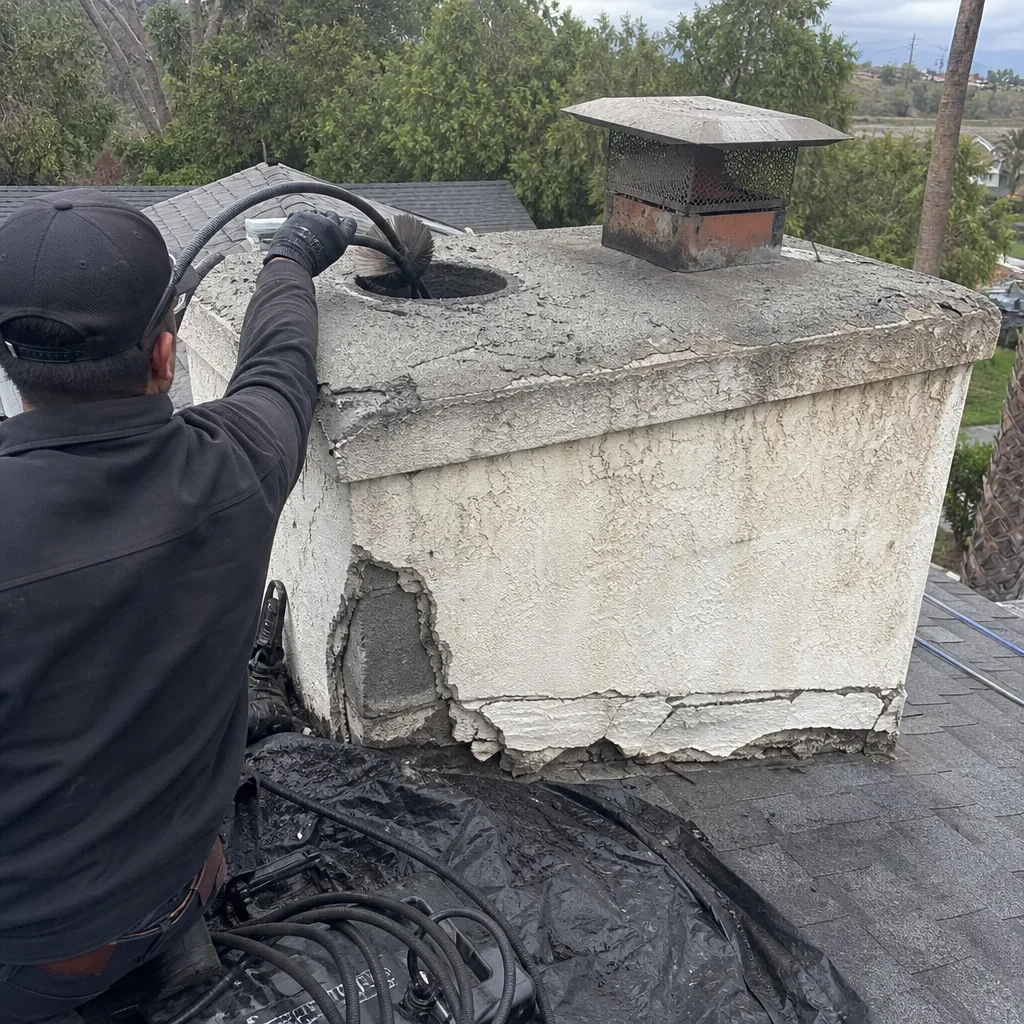 Before
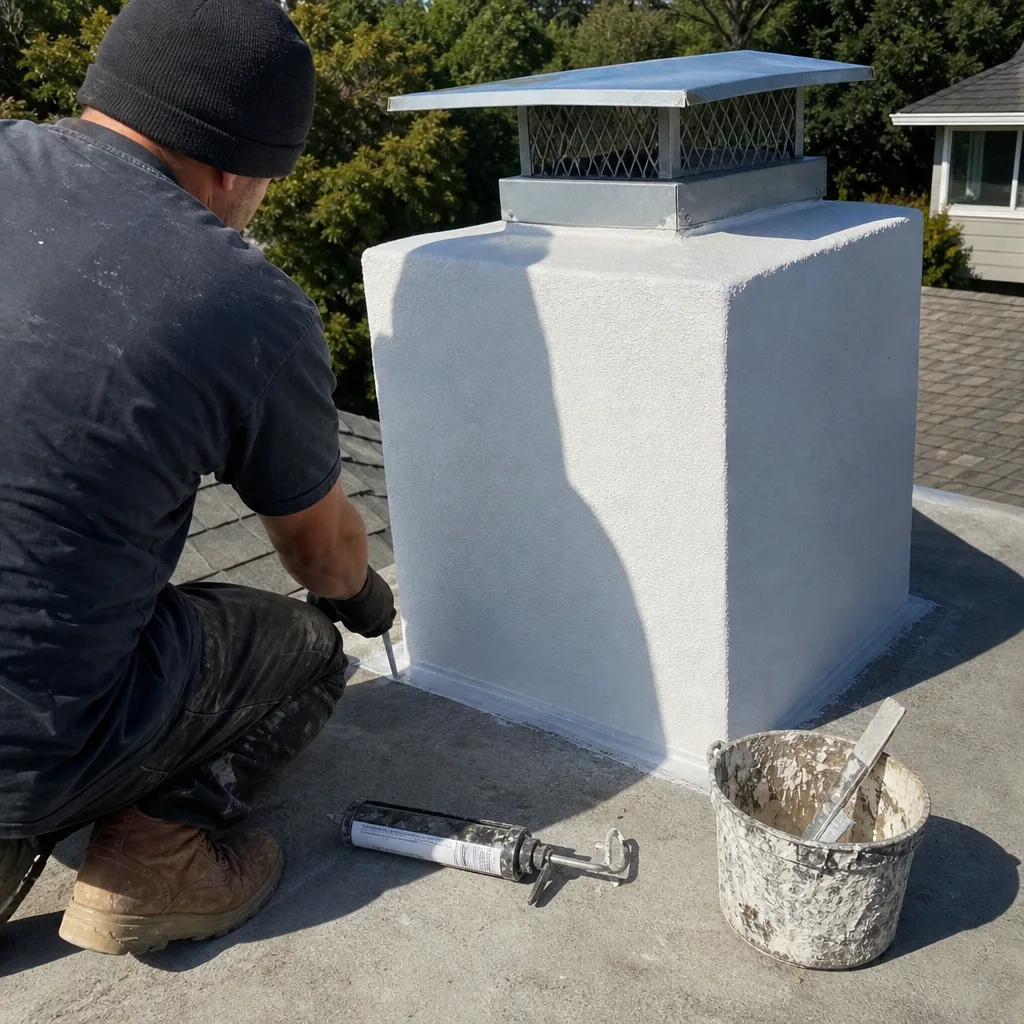 After
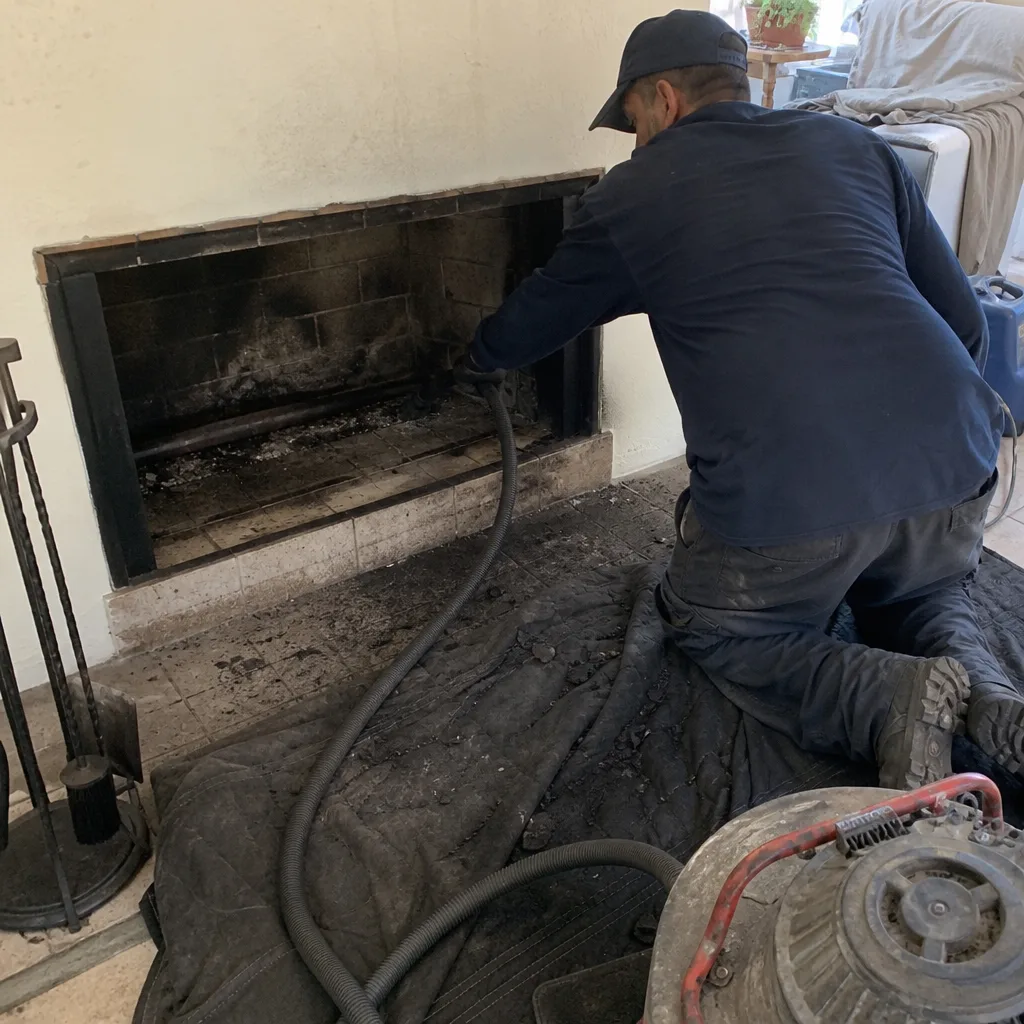 Before
 After
 Before
 After