
Last updated November 2, 2026
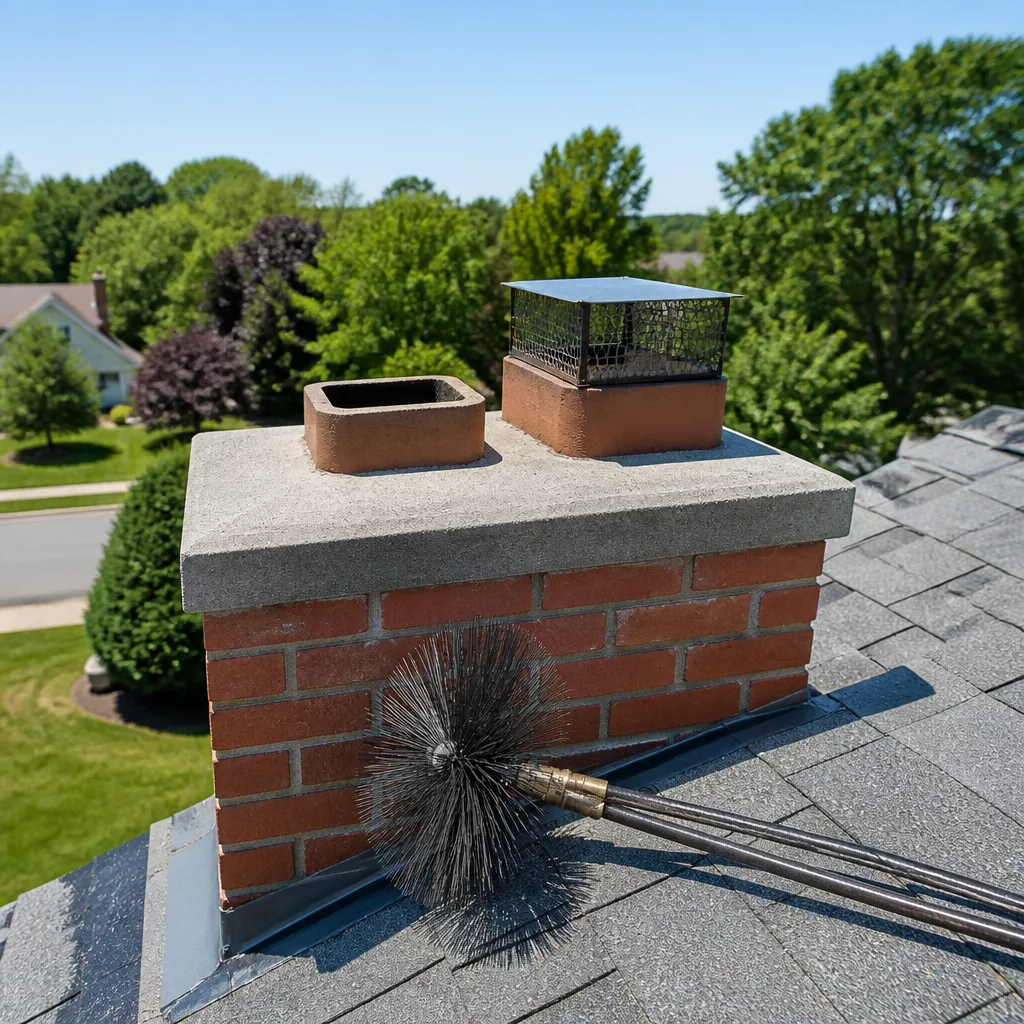 Sweep & inspection
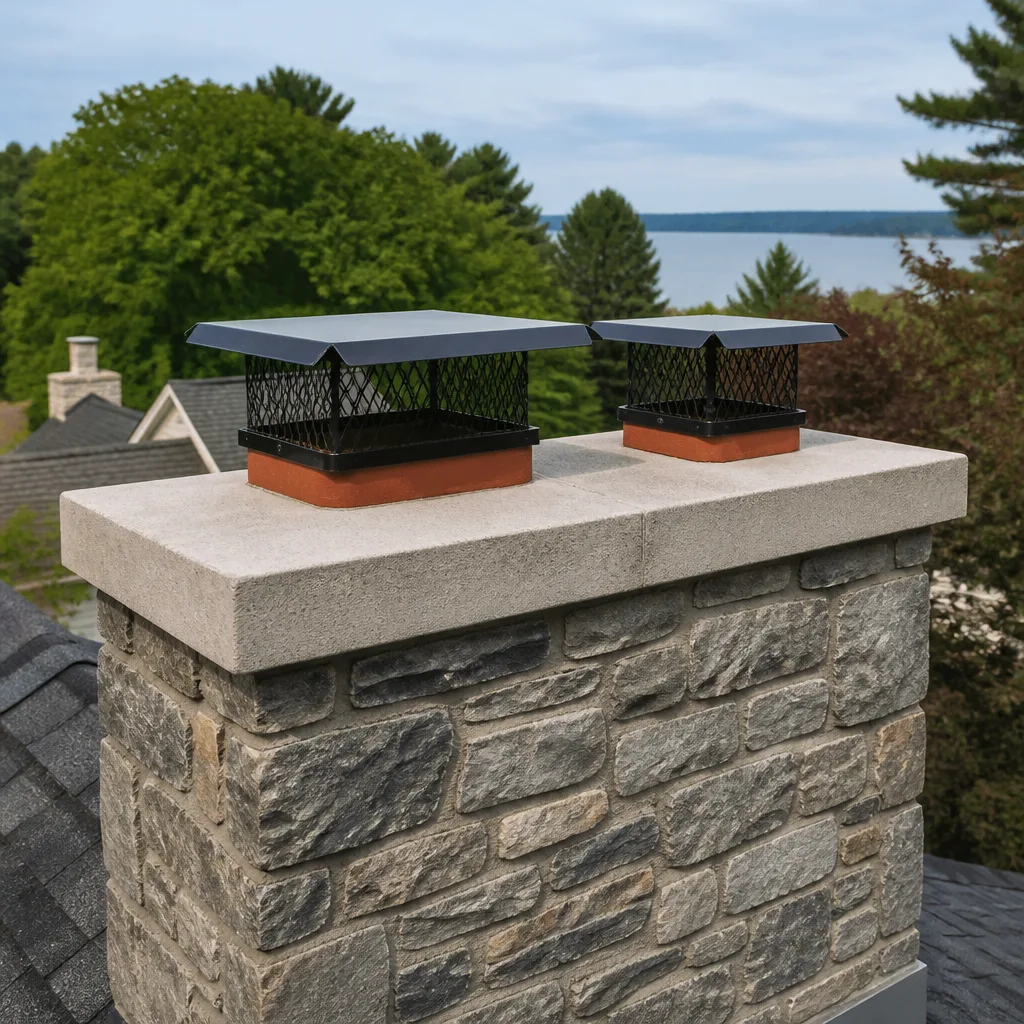 Caps & crowns
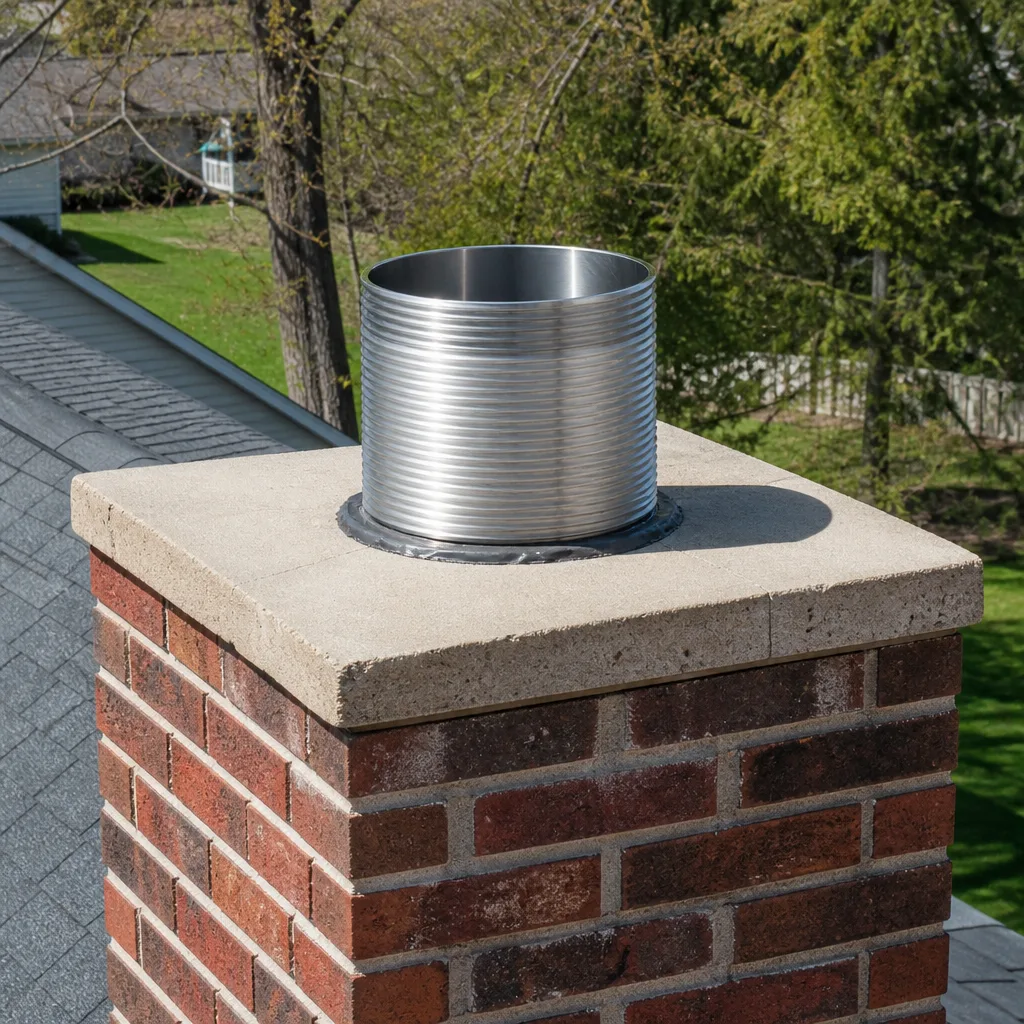 Flue relining
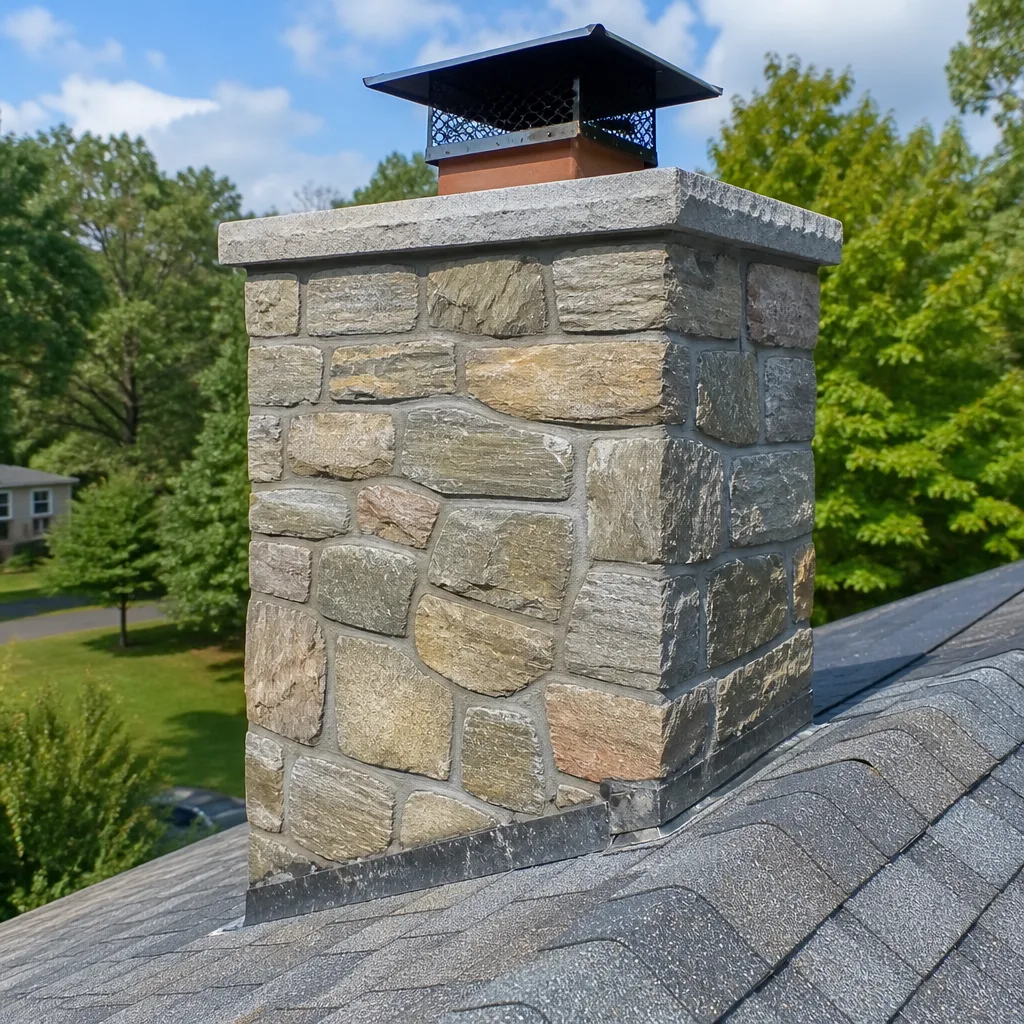 Masonry repair
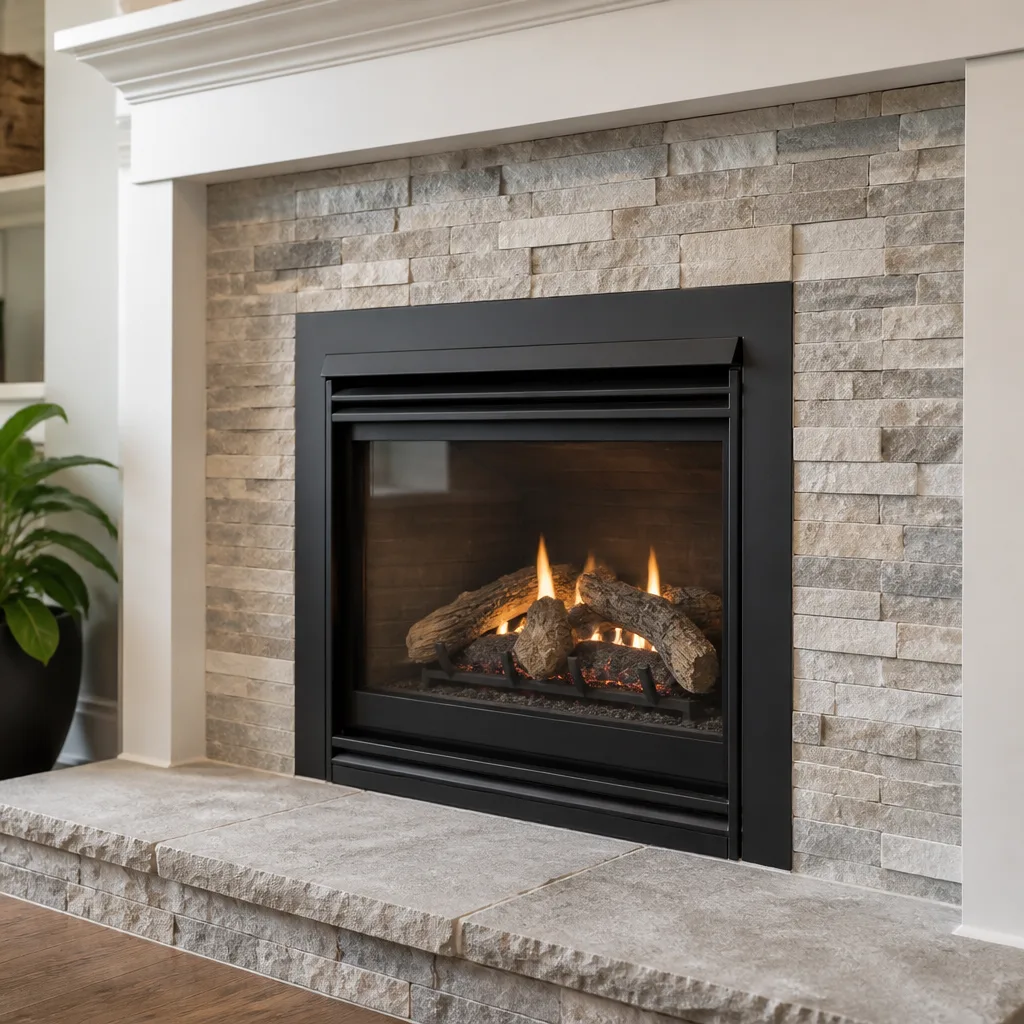 Gas fireplace service
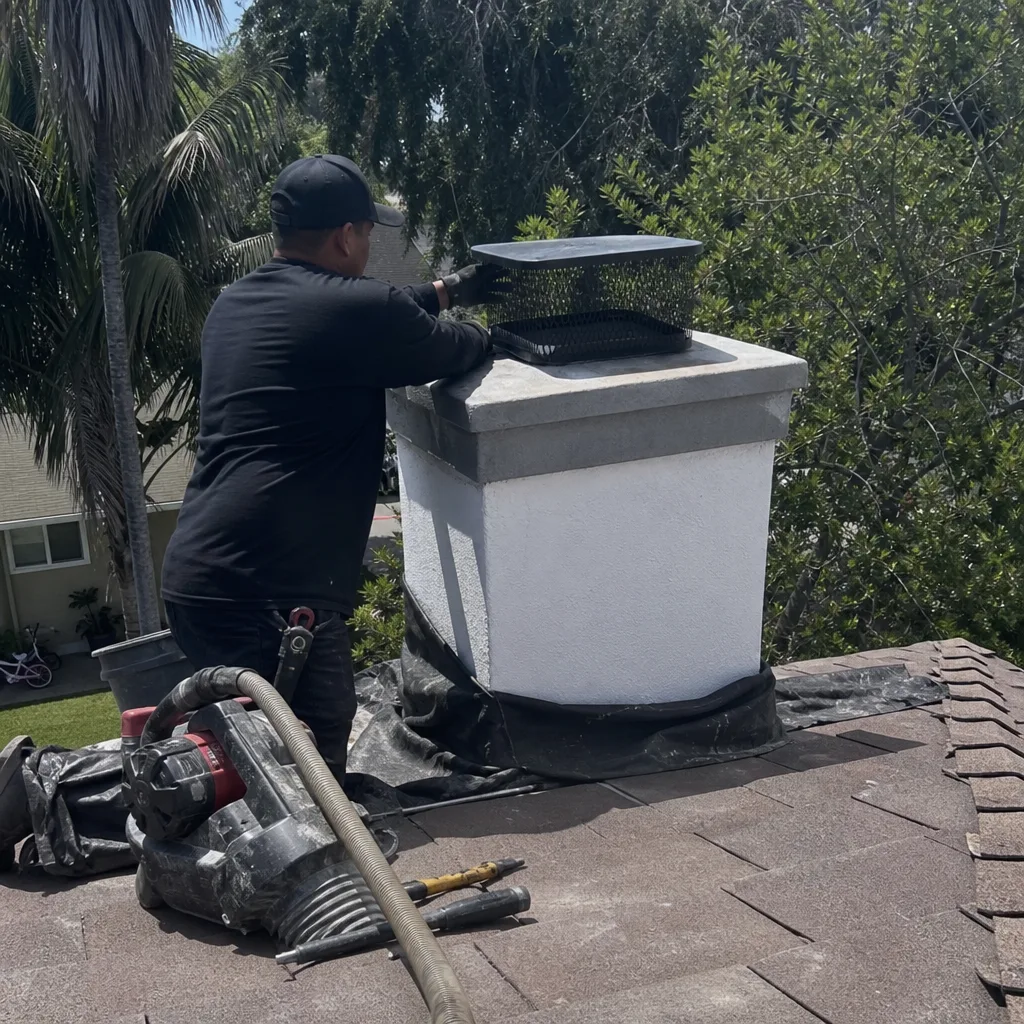
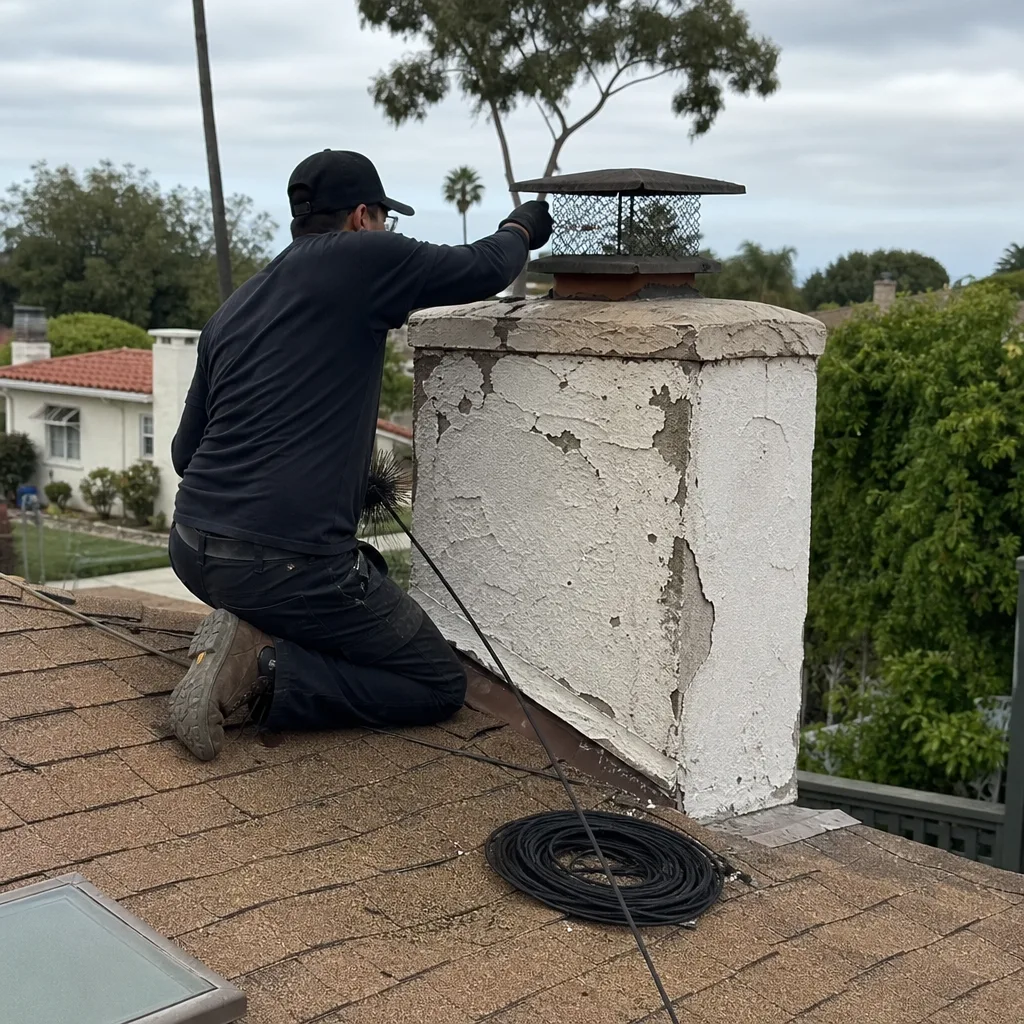
Level 1 sweep and inspection to the NFPA 211 annual standard - flue, crown, cap, and flashing checked and photographed
Chimney sweep logs do not sweep chimneys. They loosen some creosote - which then falls where a brush and vacuum still have to collect it.
Chimney Sweep Troubleshooting: Common Problems and How to Fix Them
A smoky fireplace and a smelly fireplace look like the same problem but require completely different fixes. Confuse the two and you’ll pay for a sweep when you actually need a damper replacement, or vice versa. Most chimney issues we see in Downtown San Diego high-rises, lofts, and older Craftsman homes fall into four or five distinct patterns, and each has a primary suspect. This guide gives you the same diagnostic logic we use on chimney sweep service calls, so you can narrow down what’s wrong before anyone picks up a phone.
Quick Answer
Most chimney problems are either draft failures (smoke backing into the room, poor draw) or moisture and debris issues (odors, staining, animal intrusion), and each has a specific root cause that’s usually identifiable in minutes. Start with the visible stuff: cap, damper, flue tiles, and the area around the fireplace. If smoke enters the room, suspect a draft problem or a clogged flue. If you smell something acrid when it rains, suspect a creosote buildup. If you smell something rotting, suspect an animal. Fixes range from a $15 cap replacement to a full liner restoration, and knowing which one you’re dealing with saves you from paying for the wrong repair. For more guides & resources, see our blog.
Styles & brands we work with
- Sweep & inspection
- Caps & crowns
- Flue relining
- Masonry repair
- Gas fireplace service
Table of Contents
- Smoke in the Room vs. Odor: The Two Different Problems
- Smoke Backing Into the Room: Primary Causes and Fixes
- Chimney Odors: Creosote, Animals, and Moisture
- Poor Draw and Draft Failure: The Building Science Problem
- Visible Cracks and Spalling: What You Can See vs. What You Can’t
- What You Can Diagnose Yourself vs. What Needs a Camera
- When Troubleshooting Turns Into a Level II Inspection
- Common Mistakes to Avoid
- When to Call a Professional
- Frequently Asked Questions
Smoke in the Room vs. Odor: The Two Different Problems
If your chimney is misbehaving, the first question is simple: is it smoke or is it smell? Smoke in the room means a draft failure. The chimney isn’t pulling combustion gases up and out, so they’re spilling back into your living space. That’s a performance problem, and it’s usually mechanical: a closed damper, a clogged flue, a cap that’s blocked, or a chimney that’s too short or too cold to establish an updraft.
Odor, on the other hand, is almost never about draft. Odor means something is sitting in the chimney or entering the home through it. Creosote smells acrid and smoky, like a campfire that burned wet wood. Animal intrusion smells organic, like something is rotting. Moisture smells musty, like a basement after rain. Each odor points to a different culprit, and treating an odor problem with a sweeping alone rarely solves it. You need to remove the source, not just mask it.
In Downtown San Diego, we see a third category: odor that’s actually backdraft, where negative pressure inside a tightly sealed condo pulls air down the chimney when the HVAC system kicks on. More on that below.
Smoke Backing Into the Room: Primary Causes and Fixes
Smoke entering your living room is the most common complaint we get in Downtown San Diego, and it’s also the one most often misdiagnosed by homeowners. Here’s the diagnostic order we follow on every call:
- Check the damper. It sounds obvious, but a damper that’s stuck partially closed or rusted in place is the single most common cause of smoke backing into a room. If you haven’t used the fireplace in years, the damper may be seized. Open it fully before lighting anything.
- Look for a clog. Bird nests, leaves, and years of creosote accumulation can constrict or block the flue entirely. If the chimney hasn’t been swept in more than two years, a partial blockage is likely. You may see debris at the base of the fireplace or hear flapping sounds.
- Check the cap. A missing or damaged chimney cap invites debris and animals in, but a cap with a too-narrow mesh screen can also get clogged with creosote and soot, choking off airflow. In Downtown San Diego’s coastal air, caps corrode faster than inland.
- Prime the flue. Cold air sits in the chimney and creates a plug of dense air that rising smoke can’t push through, especially in taller condo flues. Warm the flue first by holding a lit piece of rolled newspaper near the open damper for 30 to 60 seconds before you light the main fire.
- Check the chimney height and nearby structures. If a neighboring building was constructed after your building, or if rooftop equipment now sits upwind of your chimney, the pressure differential can defeat even a clean flue. This is a classic Downtown San Diego problem where towers go up next to older buildings.
If you work through items 1 through 4 and smoke still backs into the room, stop using the fireplace and call a sweep. The cause is likely something you can’t see: a crack in the flue, a collapsed clay liner tile, or a chimney constructed without the proper height-to-roof ratio.
Chimney Odors: Creosote, Animals, and Moisture
Chimney odors fall into three distinct categories, and each has its own urgency level.
Creosote Odor (Acrid, Smoky)
Creosote is the tar-like residue left behind when wood smoke condenses inside a chimney. Third-degree creosote is thick, hard, and shiny, and it smells acrid, like a burnt barbecue left out in the rain. This odor usually gets stronger when the air is humid or when rain enters the flue. In Downtown San Diego, where the marine layer brings regular humidity even in summer, creosote odor can be a year-round complaint, not just a winter one.
Creosote odor means the chimney needs a sweeping, and probably a thorough one. If the buildup is heavy, a basic brush sweep may not remove third-degree creosote, which often requires chemical treatment or a rotary cleaning head. The bigger concern: creosote is combustible, and a heavy buildup is the primary fuel source in chimney fires. If you smell creosote strongly enough to notice it in the living room, the chimney is overdue for service.
Animal Intrusion Odor (Organic, Rotting)
If the smell is organic, like something died, something probably did. Birds, squirrels, and raccoons all enter uncapped or poorly capped chimneys. In Downtown San Diego, birds are the usual suspects, especially in the spring when chimney swifts and pigeons look for nesting sites. The smell of a dead animal or accumulated droppings is unmistakable, and it will not go away on its own.
Removing an animal or carcass from a chimney requires a professional. Beyond the smell, bird and bat droppings can carry histoplasmosis, a fungal infection that becomes airborne when disturbed. A sweep with the right protective equipment and disposal procedures should handle this. After removal, a properly fitted cap is the fix. In our service area, we install caps with mesh screens sized to keep birds out while maintaining adequate airflow.
Moisture Odor (Musty, Damp)
Musty smells usually mean water is entering the chimney somewhere. In Downtown San Diego’s older buildings, we see cracked chimney crowns, deteriorated mortar joints, and flashing failures around the roofline. Water penetrates the masonry, soaks into the brick, and creates a persistent damp smell inside the home. Left alone, water intrusion accelerates spalling and can damage interior framing.
The fix starts with identifying the water entry point, which often requires a camera inspection from inside the flue and a visual inspection from the roof. Crown repair, flashing replacement, or a waterproofing treatment may all be needed. None of these are DIY fixes.
Poor Draw and Draft Failure: The Building Science Problem
Here’s the part most troubleshooting guides miss: sometimes the chimney is fine and the house is the problem.
The stack effect is the natural movement of air through a building: warm air rises and exits through upper openings, while cooler air is pulled in through lower ones. In a house with normal air leakage, this works in your favor. The chimney becomes the exit point, and air flows up it naturally.
But Downtown San Diego’s newer condos and lofts are built tight. Sealed windows, weatherstripped doors, and HVAC systems that pressurize the interior all change the equation. When a bathroom fan, range hood, or clothes dryer runs, it pulls air out of the living space. If there’s no make-up air coming in, the house goes into negative pressure, and the chimney becomes the easiest air inlet. Instead of exhausting smoke, it draws outdoor air down the flue and into your home.
This is why a fireplace that worked fine for years can suddenly start smoking when a new owner installs double-pane windows or a powerful range hood. The chimney didn’t change; the building envelope did.
Fixes for negative-pressure draft failure include:
- Opening a window slightly when the fireplace is in use, to provide make-up air.
- Installing a make-up air system if the home is exceptionally tight.
- Adding a top-sealing damper that closes at the top of the flue and seals more tightly than a traditional throat damper.
- Avoiding running exhaust fans and the fireplace simultaneously.
In our experience, this is the problem most often missed by general handymen and even some chimney sweeps who don’t work regularly in dense urban environments. If you live in a Downtown San Diego high-rise or a recently renovated loft, negative pressure is always on our list of suspects.
Visible Cracks and Spalling: What You Can See vs. What You Can’t
Visible damage to the fireplace surround, the chimney breast, or the exposed masonry outside is always worth investigating, but it rarely tells the whole story.
Cracks in the firebox, the visible interior of the fireplace, are usually caused by repeated heating and cooling cycles. Small hairline cracks in the firebox are common and often cosmetic, but wider gaps, shifting bricks, or cracks that run through the mortar joints can be structural. If you can fit a coin edge into a crack in the firebox, call a professional.
Spalling is the flaking or popping off of brick faces, usually caused by water penetration followed by freeze-thaw cycles or salt crystallization. In Downtown San Diego’s coastal climate, spalling is more often salt- and moisture-driven than freeze-driven, but the result is the same: bricks lose their protective outer face and become porous. Spalled bricks in the chimney structure weaken the masonry and accelerate further water damage.
What you can’t see is often more serious. The clay flue liner inside the chimney can crack from a previous chimney fire, from settling, or from age. Cracked liners allow hot gases and embers to reach combustible materials inside the wall, which is a fire hazard. They also allow carbon monoxide to leak into the home even when the fireplace isn’t in use. The only reliable way to see liner damage is with a camera inspection. At Hometown Chimney Sweep, we use camera equipment on every Chimney Sweep in Downtown San Diego service call where the chimney hasn’t been professionally inspected in the last two years.
The smoke chamber, the area just above the firebox where smoke gathers before entering the flue, can also spall or crack. Smoke chamber damage is invisible from the living room and requires a camera or a mirror and light during a chimney inspection. If it’s damaged, the fix is a parge coating or a HeatShield restoration, both of which we handle in-house.
What You Can Diagnose Yourself vs. What Needs a Camera
You can narrow down a lot without specialized equipment. Here’s what a homeowner can reasonably assess:
- Missing or damaged cap: Visible from the ground with binoculars in most cases. If the cap is gone or the mesh screen is torn, debris and animals are getting in.
- Stuck damper: Reach up into the fireplace (when it’s cold) and check whether the damper opens and closes freely. If it doesn’t, you’ve found at least one problem.
- Visible water stains: Stains on the ceiling or walls near the chimney, or on the firebox floor, indicate water intrusion.
- Debris at the base: If you see leaves, twigs, or nesting material at the bottom of the firebox, something is getting in from above.
- Odor identification: You can and should identify what kind of odor you’re dealing with, as described above. It changes the urgency and the fix.
What you cannot diagnose from the living room:
- Flue liner cracks: Invisible without a camera. Symptoms of a cracked liner include poor draft, smoke odors when the fireplace isn’t in use, and pieces of clay tile falling into the firebox.
- Smoke chamber spalling: Requires a camera or internal inspection from below with a light.
- Blockages mid-flue: A partial blockage partway up the flue, like a bird’s nest wedged in place or a broken piece of masonry, may not be visible from either end.
- Chimney crown failure: The concrete slab at the top of the chimney can crack in ways visible only from the roof. A failed crown lets water into the interior of the masonry.
The threshold is simple: if your troubleshooting reaches the limits of what your eyes and a flashlight can see, it’s time for a camera inspection. At Hometown Chimney Sweep, we do this as part of our standard chimney cleaning service when needed, and we show you the footage. You see what we see, and you decide what’s urgent.
When Troubleshooting Turns Into a Level II Inspection
NFPA 211, the national standard that governs chimney inspection and maintenance, defines three inspection levels. A Level I is a visual check of the readily accessible areas of the chimney. That’s what happens during a routine sweep. A Level II goes further: it includes camera inspection of the interior flue, evaluation of the attic and crawlspace areas around the chimney, and assessment of clearances to combustibles.
NFPA 211 recommends a Level II inspection in specific situations:
- When you’re selling or buying a home. A Level II inspection is the standard for real estate transactions. If you’re buying a condo or loft in Downtown San Diego, your home inspector will likely flag the chimney and recommend a Level II before settlement.
- When a fire or chimney fire has occurred. Even a small chimney fire can crack liners and damage the structure in ways that aren’t visible from the firebox.
- When there’s a change to the system. If you’re converting from wood to gas, installing a new liner, or relining after damage, a Level II establishes the condition before and after.
- After a weather event or seismic activity. Earthquakes damage chimneys. In California, that’s a relevant concern.
A Level II inspection isn’t an upsell. It’s a documented national standard that exists because chimney failures cause house fires and carbon monoxide poisonings. If our troubleshooting points toward liner damage, a Level II is the only way to confirm it. At that point, we’re not selling you an inspection; we’re identifying whether your home is safe to use the fireplace at all.
If the Level II reveals liner cracks, we can usually repair them without a full rebuild. We use HeatShield, a cerfied restoration coating system, and DuraFlex flexible liners from Olympia Chimney. These are the same materials contractors and chimney professionals use nationwide, and they’re part of our standard repair toolkit.
Common Mistakes to Avoid
- Burning a fire to “burn off” the smell. If you smell creosote more strongly when you light a fire, you’re adding heat to a flammable buildup. That’s the opposite of a fix. A heavy creosote deposit is fuel, and a chimney fire can reach 2,000 degrees.
- Ignoring a sour smell because the fireplace isn’t used. A chimney that’s never used still connects to the outdoors. Animals still enter, water still penetrates, and air still moves. Odors don’t self-resolve.
- Assuming a smoky fireplace means you need a sweeping. Sometimes it does, but smoke in the room can also be a damper issue, a cap issue, a negative-pressure issue, or a liner crack. A sweep that doesn’t diagnose the actual cause is a wasted service call.
- Using a chimney cleaning log instead of a professional sweep. Chemical cleaning logs can loosen some creosote, but they don’t remove it, and they can’t diagnose any of the structural or draft problems this guide covers. They’re a supplement at best, not a substitute.
- Wait to address visible cracking until “it gets worse.” Masonry cracks widen with every moisture cycle and every heating season. The repair cost grows with the damage. Early intervention is cheaper, which is rarely true in home maintenance, so take advantage.
- Assuming newer buildings don’t have chimney problems. Downtown San Diego’s newer towers and lofts have specific vulnerabilities: negative-pressure draft failures, short chimneys relative to neighboring structures, and prefabricated chimney systems that need their own type of maintenance. New doesn’t mean problem-free.
When to Call a Professional
You should call a professional if smoke enters the room after you’ve checked the damper and primed the flue, if you smell acrid creosote or organic animal odor, if you see visible cracks wider than a coin edge in the firebox, or if water staining appears on walls or ceilings near the chimney. Hometown Chimney Sweep offers free estimates in Downtown San Diego, and we combine chimney cleaning with structural repair, so a problem found during a sweep can often be fixed on the same visit. Call (866) 670-3503.
Frequently Asked Questions
A chimney that smells worse when it rains usually has water entering the flue, which reactivates creosote odor or amplifies moisture-related mustiness. Rain can also soak animal nesting material inside the chimney, which produces a distinct damp organic smell. The fix usually involves a crown repair, flashing repair, or cap installation.
A basic chimney cleaning and inspection in Downtown San Diego typically runs between $150 and $300 depending on chimney size and condition. Camera inspections, which we include when needed during a standard Chimney Sweep in Downtown San Diego visit, may add cost depending on the findings and whether a Level II inspection is required. Repairs are priced separately and vary widely by scope. Call (866) 670-3503 for an exact quote: estimates are free.
You need a new liner if the existing one is cracked, collapsing, or improperly sized for the appliance, and the only way to confirm this is with a camera that shows you the damage. We show our customers the footage from every camera inspection, and we never recommend liner work without evidence you can see. If a liner is intact and properly sized, we’ll tell you that too.
The National Fire Protection Association recommends a chimney be inspected at least once a year and swept when creosote buildup reaches 1/8 inch. If you burn regularly, that usually means a sweeping each year. If you use the fireplace occasionally, a cleaning every two to three years may suffice, though annual inspection is still recommended.
Creosote continues to build, which raises the risk of a chimney fire. Moisture continues to penetrate any existing cracks, which accelerates spalling and liner damage. Animals may take up residence. The full repair, when you eventually face it, costs more than the sum of the skipped cleanings. In a Downtown San Diego condo building, a chimney fire also endangers neighbors, not just your own unit.
Condo and loft chimneys can absolutely be swept; the process is the same, but access can be more complex depending on roof access and building management rules. We work regularly in Downtown San Diego multi-unit buildings and coordinate with property managers as needed. If you’re a condo owner, check whether the chimney is designated as common area or owner responsibility before booking, but either way, we can handle the service.
The Bottom Line
Chimney troubleshooting comes down to a few clear distinctions: smoke versus smell, visible versus hidden, and mechanical versus structural. If you can identify which category your problem falls into, you’ve already narrowed the fix. Check the damper and the cap, identify the odor, and know when negative pressure in a tightly sealed Downtown San Diego building is the real culprit. When the problem moves beyond what you can see from the living room, a camera inspection is the next step, and it’s worth doing before any repair is recommended. A chimney that’s inspected, clean, and correctly ventilated is a safe chimney.
Written by the team at Hometown Chimney Sweep, serving Downtown San Diego since 2015.
See the difference
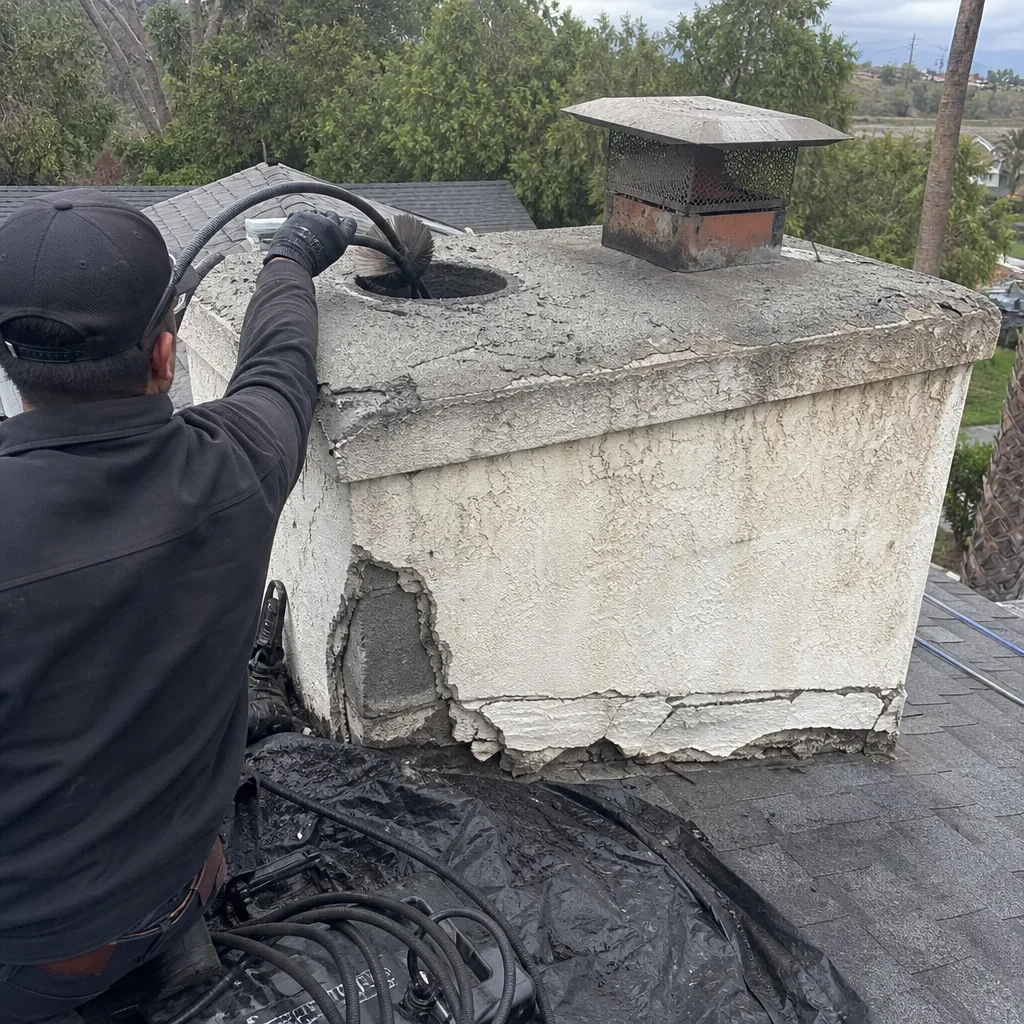 Before
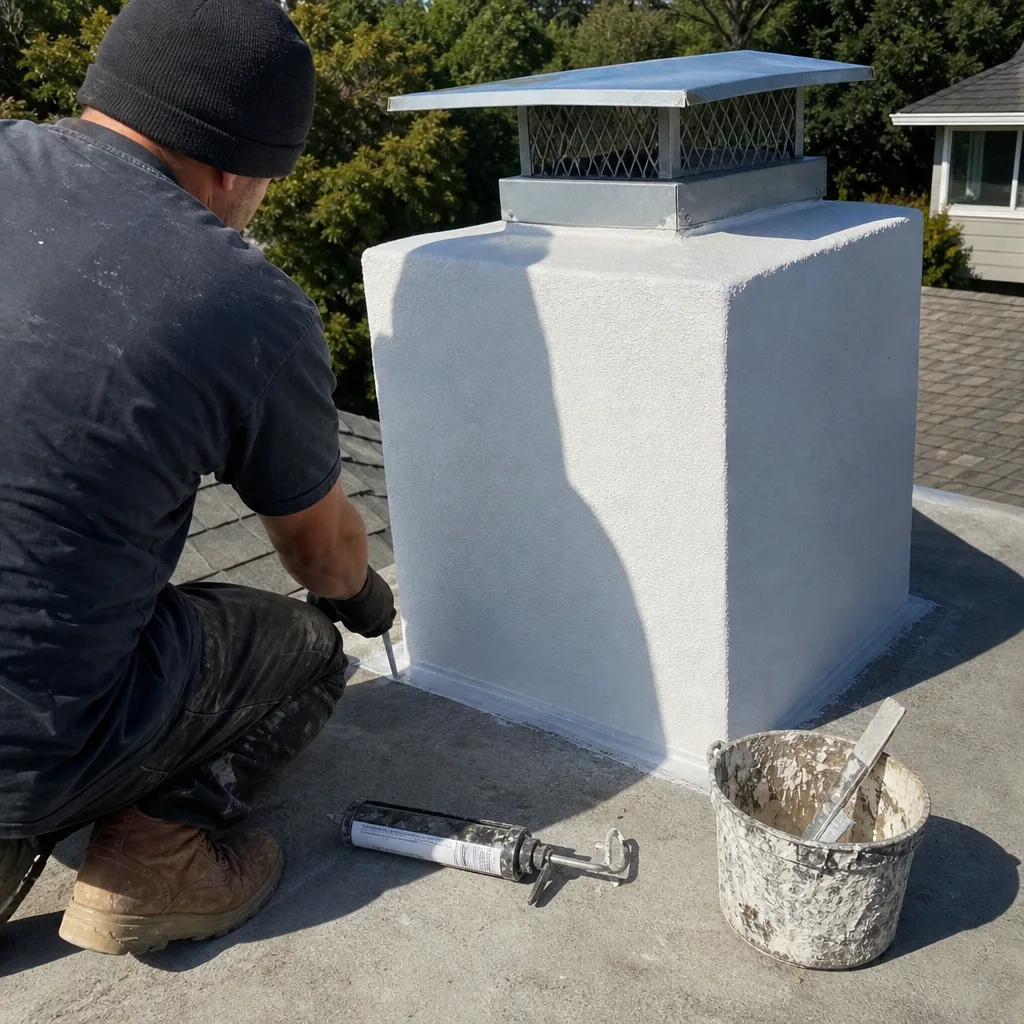 After
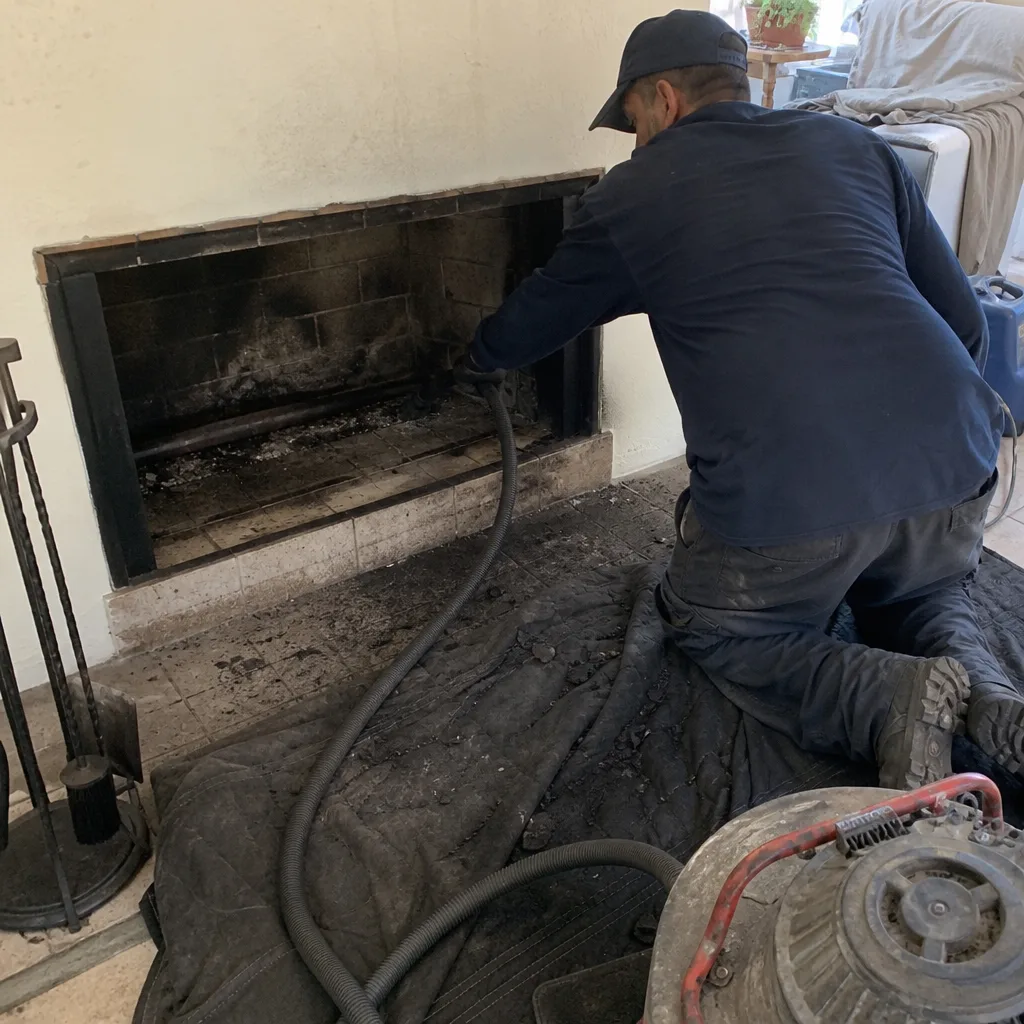 Before
 After
 Before
 After