
Last updated November 2, 2026
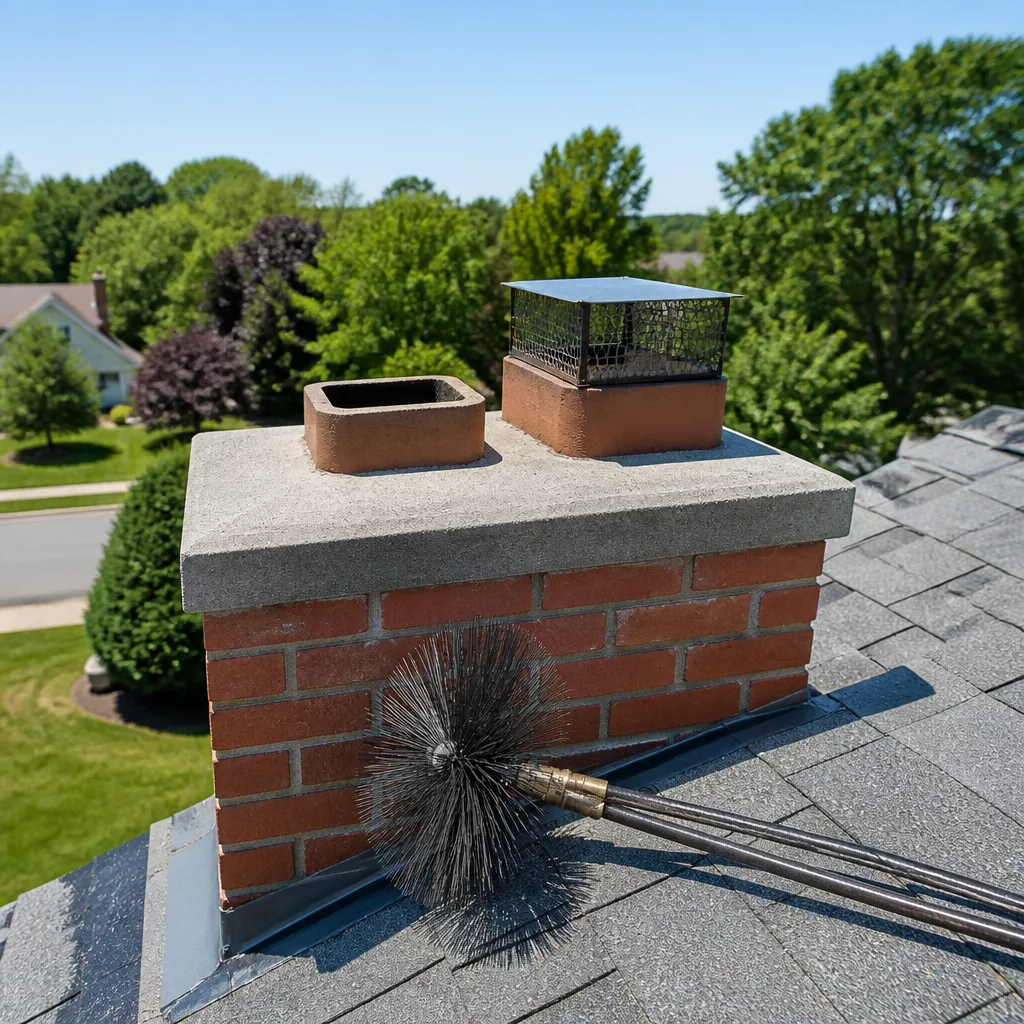 Sweep & inspection
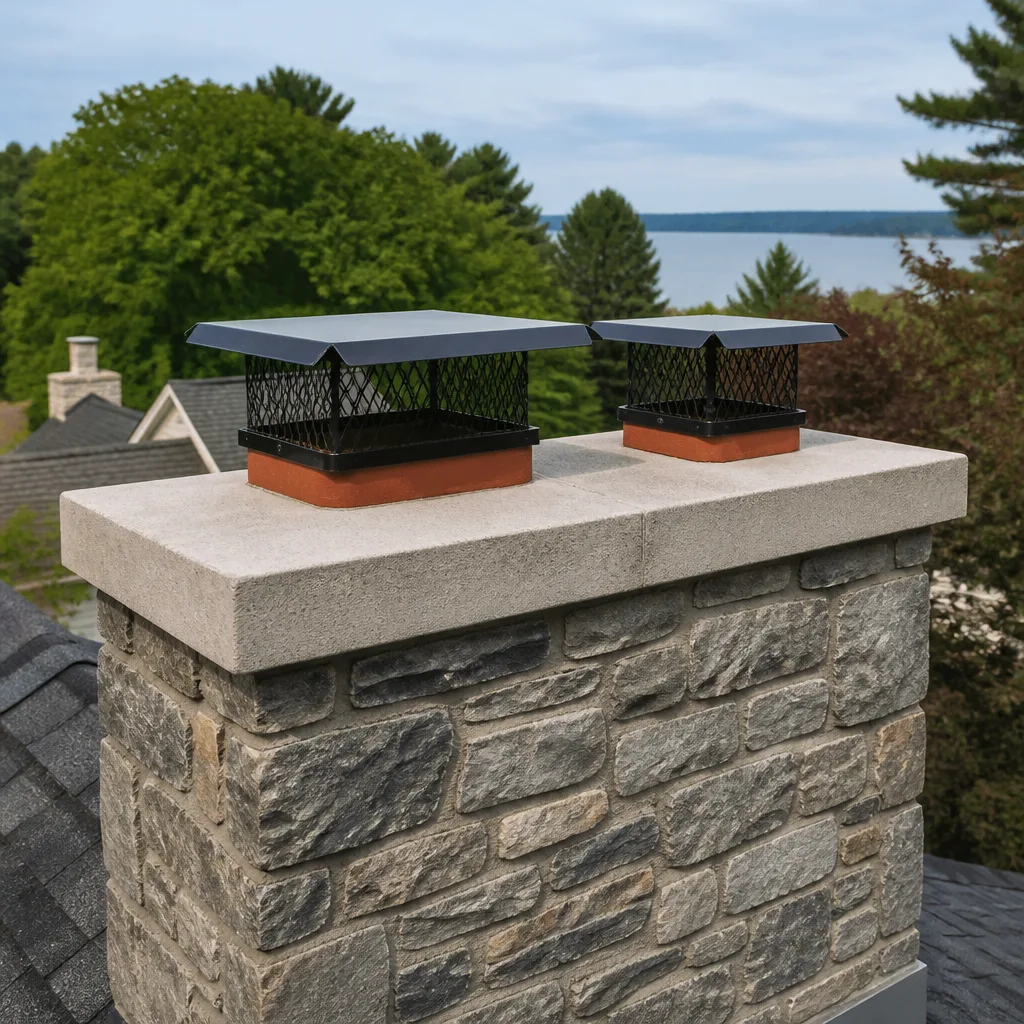 Caps & crowns
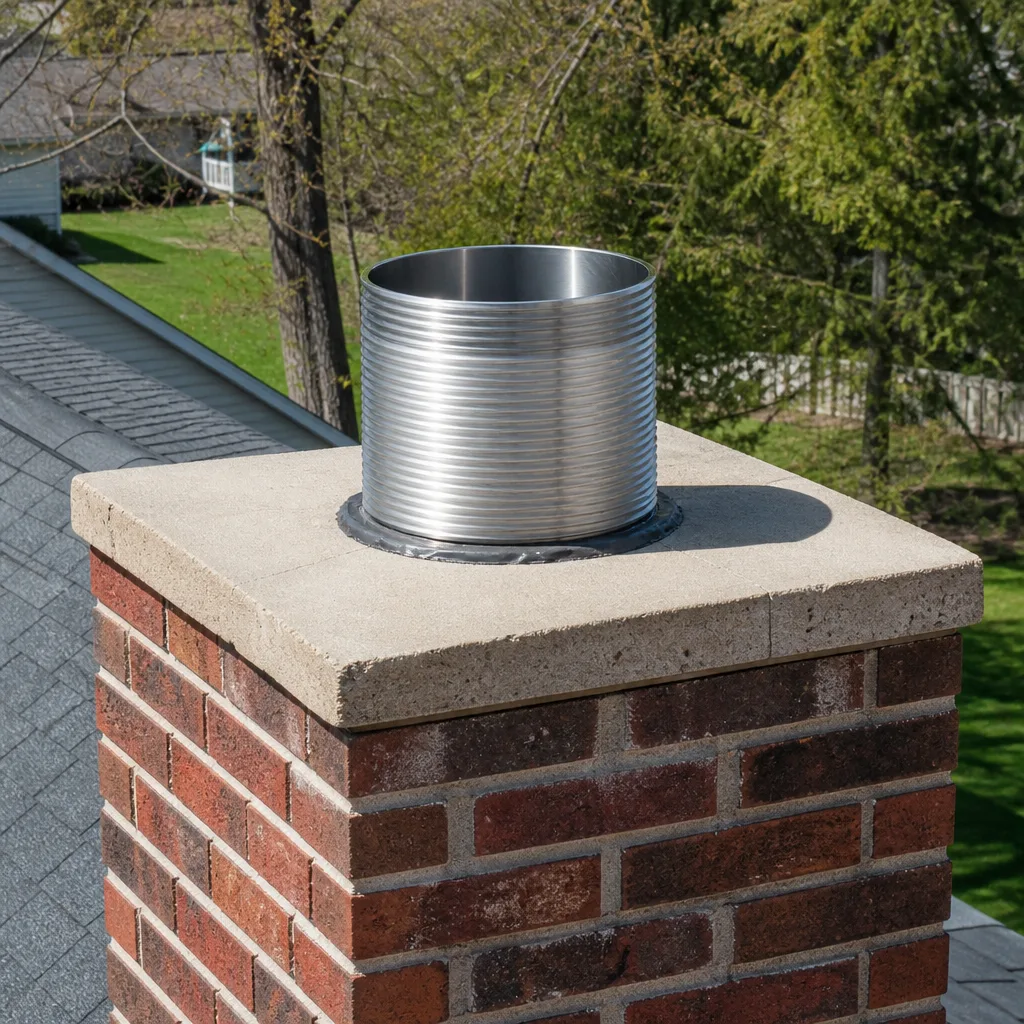 Flue relining
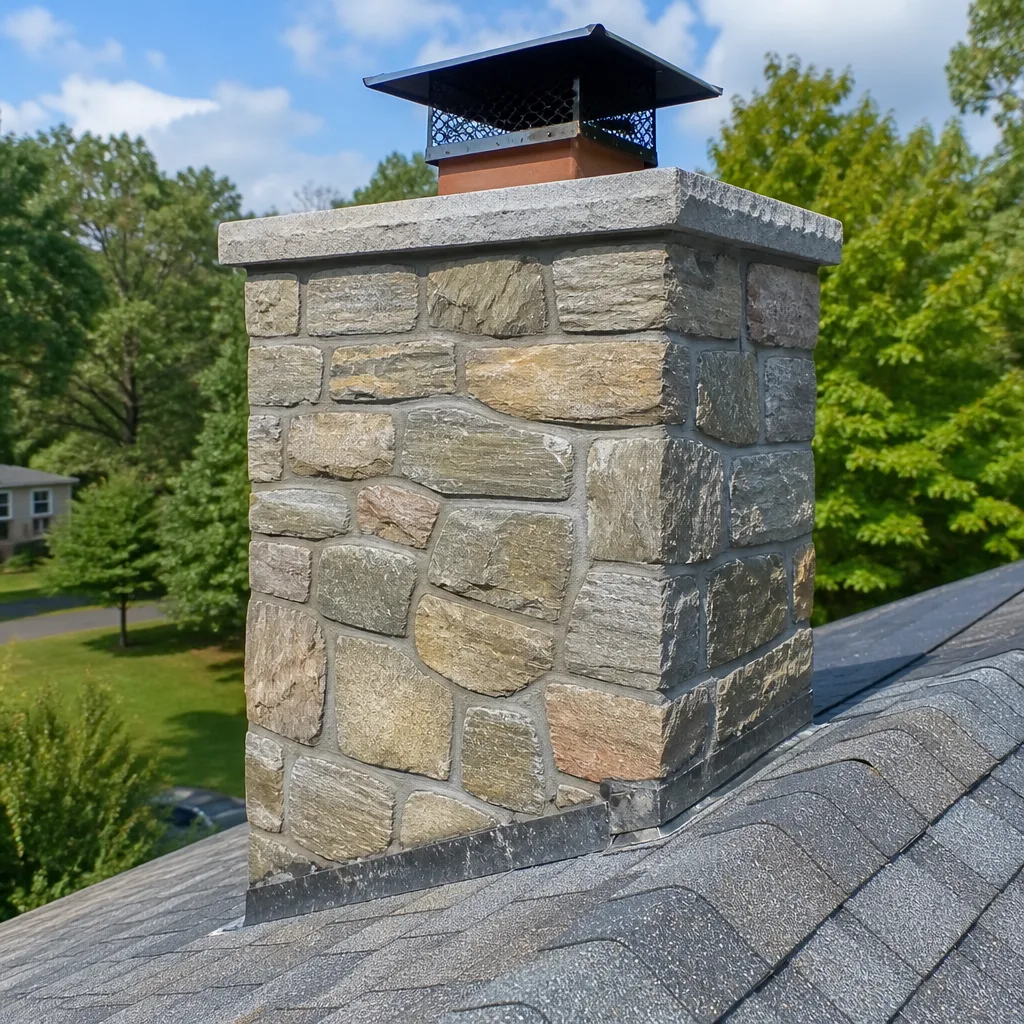 Masonry repair
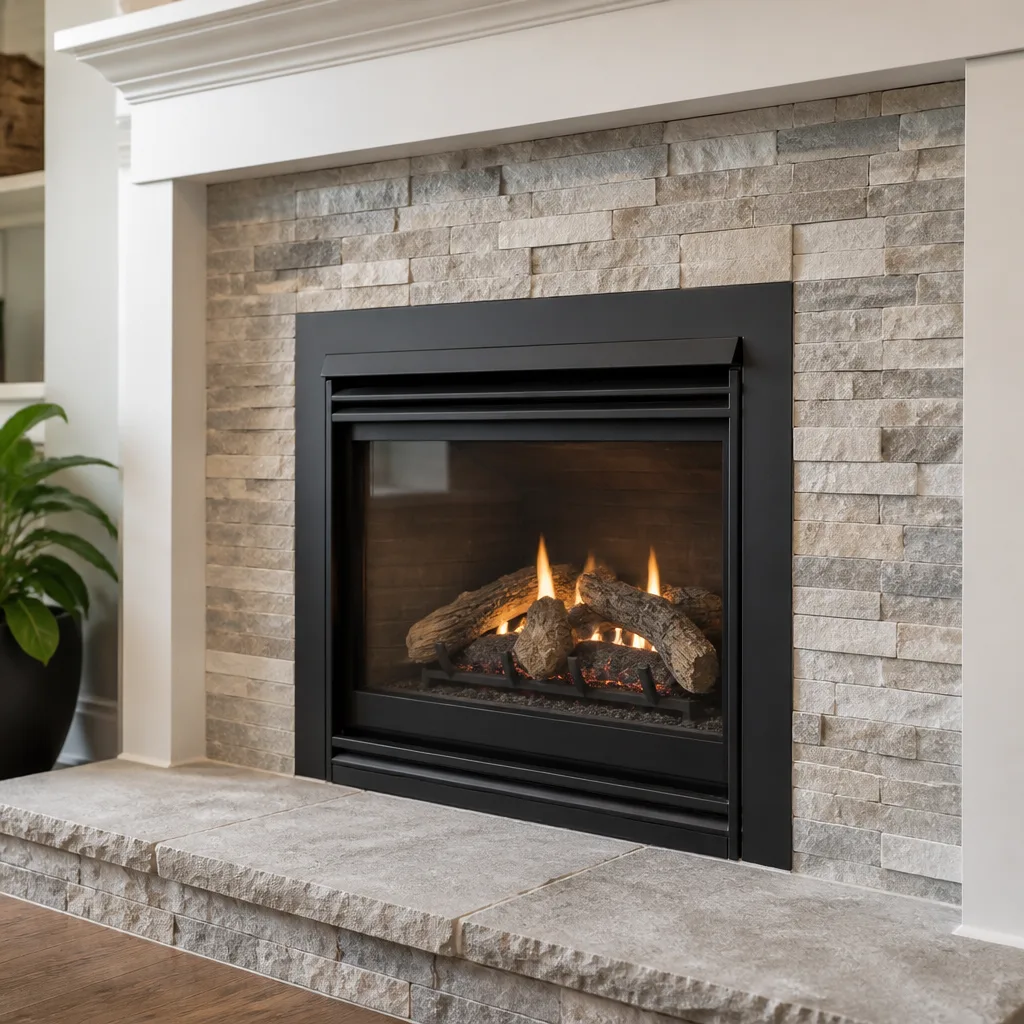 Gas fireplace service
Level 1 sweep and inspection to the NFPA 211 annual standard - flue, crown, cap, and flashing checked and photographed
Chimney sweep logs do not sweep chimneys. They loosen some creosote - which then falls where a brush and vacuum still have to collect it.
The Complete Chimney Sweep Guide for Downtown San Diego Homeowners
Most chimney guides are written for cold-climate homeowners burning wood four months straight. Downtown San Diego homeowners burn occasionally and infrequently, which actually accelerates certain types of creosote and moisture damage that a once-a-year inspection schedule misses entirely. What works for a chimney in Minneapolis doesn’t apply to a fireplace in the Gaslamp Quarter, and understanding those differences is the difference between a safe fire season and a preventable chimney fire. This guide covers exactly what happens to chimneys in Downtown San Diego’s coastal microclimate, what our Chimney Sweep services include, how to read a sweep report without getting taken, and when a repair recommendation is urgent structural work versus optional maintenance.
Styles & brands we work with
- Sweep & inspection
- Caps & crowns
- Flue relining
- Masonry repair
- Gas fireplace service
Quick Answer
A chimney sweep in Downtown San Diego typically costs between $189 and $359 for a standard Level I inspection and cleaning, takes 60 to 90 minutes, and should be done annually even if you only burn a handful of fires each winter. The coastal salt air, occasional fire use, and older housing stock in neighborhoods like Cortez Hill and Little Italy create specific deterioration patterns: corroded dampers, degraded mortar joints, and sticky stage-1 creosote that’s actually harder to remove than the heavy buildup you’d find in a cold-climate chimney.
Table of Contents
- Why Downtown San Diego Chimneys Deteriorate Differently
- What a Full-Service Chimney Sweep Actually Includes
- CSIA Level I vs. Level II Inspections: What Downtown Homeowners Need to Know
- The Creosote Problem in Low-Use Fireplaces
- Salt Air Corrosion: The Downtown San Diego Factor
- How to Read a Sweep Report Without Getting Upsold
- The Dryer Vent Connection: A Hidden Fire Risk
- Common Mistakes to Avoid
- When to Call a Professional
- Frequently Asked Questions
- The Bottom Line
Why Downtown San Diego Chimneys Deteriorate Differently
If you own a home in Downtown San Diego, your chimney is fighting a battle that inland chimneys don’t face. The marine layer that rolls through the Gaslamp Quarter and up Cortez Hill most mornings carries salt and moisture that settles into porous brick and mortar. Over years, that salt crystallizes inside the masonry and slowly breaks down the binding agents in the mortar joints. We regularly see chimneys in Victorian-era homes near Little Italy with mortar that crumbles under finger pressure, even on structures where the bricks themselves look fine.
This isn’t a cosmetic problem. Degraded mortar joints let water penetrate deeper into the chimney structure, which accelerates deterioration of the flue liner and, eventually, the surrounding wall framing. In older Craftsman homes around Sherman Heights and Golden Hill, we’ve opened up chimneys that looked solid from the outside and found flue liners cracked from years of moisture cycling. The salt exposure makes concrete crown and mortar joint inspection far more critical in Downtown San Diego than in, say, El Cajon or Poway, where the air is dry and the salt load is minimal.
There’s also the temperature swing factor. Downtown San Diego doesn’t freeze, but the daily cycle of marine layer moisture followed by afternoon sun creates expansion and contraction that stresses mortar joints over time. It’s a slower process than a Midwest freeze-thaw cycle, but it’s relentless. A chimney that sees 300 days of marine layer each year is absorbing moisture 300 times, and that moisture is carrying salt. The result is a chimney that ages faster than its inland counterpart while looking completely normal from the street level.
If you want the full scope of what a Chimney Sweep in Downtown San Diego covers, we’ve detailed our process with local specifics. The key takeaway here: Downtown chimney care is not a set-it-and-forget-it proposition. The environment is aggressively working against your masonry year-round, even when you’re not using the fireplace.
What a Full-Service Chimney Sweep Actually Includes
A professional chimney sweep should never be a guy with a brush and a shop vac. At minimum, a proper full-service sweep in Downtown San Diego includes seven distinct steps, each one designed to catch problems before they become structural failures or fire hazards.
- Interior protection setup: Drop cloths and floor protection around the fireplace opening, plus a high-efficiency vacuum with HEPA filtration that runs continuously during the sweep. If a sweep doesn’t vacuum as they brush, dust goes everywhere.
- Flue brushing: Properly sized wire or poly brushes matched to your flue dimensions, not whatever brush is on the truck. The brush should work the entire length of the flue, from firebox to chimney crown.
- Smoke chamber inspection: The area above the damper and below the flue is where creosote hides and where smoke turbulence happens. This area is invisible to homeowners and often ignored by cheap sweeps.
- Damper check: Testing the damper operation, checking for rust or seizure. In Downtown San Diego, dampers corrode faster than inland due to salt and moisture in the air.
- Chimney cap and crown evaluation: Confirming the cap is intact and the crown isn’t cracked. A compromised crown is how water enters the chimney structure in the first place.
- Firebox inspection: Checking brick and mortar for cracks, spalling, or signs of water intrusion at the base.
- Report and photos: A written summary of what was found, what was cleaned, and what needs attention. We include camera photos in our standard sweep reports because homeowners shouldn’t have to take anyone’s word about the inside of their chimney.
This is not the same as a $99 special. A cheap sweep typically covers steps 1, 2, and 7 only. The difference is that steps 3 through 6 are where the actual problems live, and skipping them means you’ve paid someone to brush your flue and tell you everything looks fine. In our experience serving Downtown San Diego, roughly one in four chimneys we sweep reveals an issue requiring follow-up: a cracked flue tile, a corroded damper, a missing cap, or moisture damage around the crown. If the sweep isn’t looking for those things, they won’t find them.
CSIA Level I vs. Level II Inspections: What Downtown Homeowners Need to Know
The Chimney Safety Institute of America defines three inspection levels, and the distinction matters a great deal if you live in one of Downtown San Diego’s older homes. Here’s the practical breakdown.
A Level I inspection is the standard annual check: visual inspection of the accessible portions of the chimney interior and exterior, plus verification that the flue is clear of obstructions and combustible deposits. This is what you should schedule every year, even if you burn only a handful of fires. It’s fast, relatively inexpensive, and catches the obvious problems.
A Level II inspection adds camera scanning of the flue interior and access to attics, crawl spaces, and other concealed areas. Downtown San Diego homeowners need a Level II under specific circumstances, and these come up more often than you might think:
- You’re buying or selling the property.
- The home is a historical property or in a designated historic district (a large portion of Gaslamp Quarter, Little Italy, and Sherman Heights qualifies).
- There’s been a chimney fire, a house fire, or an earthquake (San Diego seismicity makes this relevant).
- The chimney has been repointed, relined, or otherwise altered since the last inspection.
- You’re changing fuels (for example, switching from wood to gas logs).
- You haven’t used the chimney in years and plan to start.
If you own a Craftsman or Victorian in Downtown San Diego and you’re putting the home on the market, the buyer’s inspector will flag the chimney almost every time. Getting a Level II inspection done before you list saves you the painful scenario of a deal held hostage over a chimney condition report. If the inspection finds anything structural, we handle Chimney Repair in Downtown San Diego with the same crew, so you’re not coordinating between an inspector and a separate repair company.
The Creosote Problem in Low-Use Fireplaces
Here’s the counterintuitive truth about Downtown San Diego fireplaces: the less you use them, the more dangerous they can become. Homeowners who burn two to ten fires per season produce what’s called stage-1 creosote, a sticky, tar-like residue that forms when wood smoke condenses on the cooler walls of a flue. This is different from the dry, flaky creosote that heavy burners create in cold climates. Stage-1 creosote is gummy, it adheres aggressively to flue surfaces, and it’s significantly harder to remove with standard brushing than stage-2 or stage-3 buildup.
Why does this happen? A fireplace that’s used infrequently never gets hot enough to burn off early-stage creosote before it compresses. In a home that burns wood most winter nights, the flue heats up repeatedly, which turns stage-1 creosote into a drier, more removable form. In a Downtown San Diego home that lights a fire three times in January and then leaves the fireplace dormant for months, that initial creosote layer sits in a cool, damp environment, absorbing moisture from the coastal air. The result is a sticky, stubborn coating that standard flat-wire brushes glide right over.
This is why we tell Downtown homeowners that an annual sweep is non-negotiable, even for minimal use. A chimney that saw only five fires last season can have more removable-creosote buildup than a chimney in Big Bear that saw forty. If you’re unsure whether your fireplace qualifies as a low-use or moderate-use situation, an inspection will tell you definitively. In the meantime, the rule is simple: sweep before the creosote gets a chance to harden into something a brush can’t remove.
Salt Air Corrosion: The Downtown San Diego Factor
If you live within two miles of San Diego Bay, your chimney hardware is corroding faster than identical hardware in Mission Valley or La Mesa. We see this most clearly in three places: metal dampers, chimney caps, and the metal framing around glass fireplace doors. The salt content in the marine layer accelerates oxidation, and the result is dampers that seize up after five to seven years instead of lasting fifteen or twenty.
Chimney caps take the brunt of it. A standard galvanized cap in a Downtown San Diego zip code will start showing rust as early as three years after installation, especially if it’s not stainless steel. When a cap rusts through, the chimney becomes an open pipe to the sky: rain enters directly into the flue, and in a coastal environment, that means repeated moisture loading on interior flue surfaces. The damage compounds quickly. A rusted cap is a minor repair. A moisture-damaged flue liner is a serious one.
Mortar joints have the same vulnerability. The salt crystallizes inside the mortar as moisture evaporates, exerting pressure that gradually crumbles the joint from the inside out. This is why repointing (removing and replacing the outer portion of mortar) is a far more common repair in Downtown San Diego than in any inland neighborhood. It’s also why a regular visual check of your chimney’s exterior mortar lines, especially on the side facing the bay, should be part of your annual maintenance routine.
For Downtown San Diego homeowners near the water, we recommend stainless steel caps and dampers as replacements rather than standard steel. They cost more up front, but they last and they don’t quietly fail while you’re enjoying the fire season.
How to Read a Sweep Report Without Getting Upsold
The single biggest hesitation Downtown San Diego homeowners have about hiring a chimney sweep is the fear of being told the chimney needs thousands of dollars in work they can’t verify. That fear is reasonable, and the antidote is a simple standard: never accept a repair recommendation without camera evidence. A professional sweep should be able to show you exactly what they’re seeing, and a proper report includes photo documentation of any flagged condition.
Here’s how to interpret the recommendations you’ll see on a typical sweep report:
- Creosote levels (Stage 1, 2, or 3): This is a measurement, not a scare tactic. Stage 1 is normal and expected. Stage 2 indicates meaningful accumulation that needs addressing. Stage 3 is a fire hazard, and the sweep should tell you to stop using the fireplace until it’s cleaned.
- Cracked flue tiles: This is a structural finding and should always be shown via camera photo. Small hairline cracks may be monitor-only. Larger cracks, missing tiles, or gaps between tiles usually require a liner system, and we use DuraFlex flexible liners for these applications, the same system chimney professionals specify nationwide.
- Water stains or rust on the damper: This points to a water entry problem, typically a failed cap or a compromised crown. The fix is usually addressing the water source first, not replacing the damper in isolation.
- Spalling brick (brick faces flaking off): This is a moisture problem in the masonry itself, common in Downtown San Diego’s older brick chimneys. It’s repairable with proper surface preparation and correct mortar matching, but it’s rarely an emergency.
- Recommendations phrased as “safety issue” without photos: This is a red flag. Insist on the photos. If they can’t produce them, get a second opinion.
For flue liner repair, we sometimes use HeatShield restoration coatings instead of a full liner replacement when the underlying structure is sound. This isn’t about selling the most expensive option; it’s about matching the solution to the actual condition. A homeowner who understands the difference between a cracked flue tile and a clean-but-aging flue liner is a homeowner who can’t be casually upsold.
Our Hometown Chimney Sweep home page outlines how we approach every inspection: camera documentation, written report, and no repair recommendation without visual evidence you can see for yourself. That standard protects both sides of the transaction.
The Dryer Vent Connection: A Hidden Fire Risk
Chimney fires aren’t the only cause of residential fires in Downtown San Diego. Lint-clogged dryer vents are a quiet problem that builds for years inside walls and floors, especially in older multi-story homes where the dryer vent run is long and has multiple turns. Every load of laundry pushes lint through the duct, and over time, that lint accumulates anywhere the airflow slows: at joints, at elbows, at the exit point where the vent terminates outside.
We clean dryer vents alongside chimneys because the failure mode is the same: combustible material building up in a concealed space where heat and airflow interact. A clogged dryer vent forces the dryer to run hotter, which accelerates lint ignition risk. If your dryer takes longer than one cycle to fully dry a normal load, or if the laundry room gets unusually warm during operation, the vent likely needs professional cleaning.
The fix is straightforward. We run rotary brushes through the entire duct run from the dryer connection to the exterior termination, removing accumulated lint and verifying airflow. For Downtown San Diego homes, particularly condos and duplexes with shared walls, this is a service that should happen every 12 to 24 months depending on laundry volume. Our Dryer Vent Cleaning in Downtown San Diego service handles this as a standalone job or alongside a chimney sweep, whichever makes more sense for your household.
The point isn’t to upsell you from a chimney sweep to a dryer vent job. The point is that ventilation systems throughout your home carry fire risk, and a competent technician who understands one should understand both. If your chimney sweep company doesn’t offer dryer vent cleaning, they’re probably not a full-service ventilation specialist.
Common Mistakes to Avoid
- Skipping the annual sweep because you “barely use” the fireplace: Low-use fireplaces create the stickiest creosote, which is the hardest type to remove. Downtown San Diego’s pattern of occasional winter fires is the exact scenario that requires consistent annual attention.
- Hiring based on price alone: A $79 sweep that skips the smoke chamber and damper check isn’t actually a sweep, it’s a brushing. The cheap service misses exactly the things you’re hiring a professional to find.
- Ignoring a slow-drying dryer: This is a warning sign that lint is blocking airflow, not an inconvenience to live with. In condos and older Downtown homes with long vent runs, the buildup happens faster than you’d expect.
- Accepting a repair recommendation without seeing photos: You wouldn’t approve brake work on your car without seeing the worn pads. The same standard applies to your chimney. No photos, no authorization.
- Assuming the chimney cap is fine because you can’t see it from the ground: Salt air eats galvanized caps quickly in Downtown San Diego. A cap that looks fine from ten feet below may be rusted through at the top. This needs to be checked from the roof or via drone.
- Burning unseasoned wood or treated lumber: Wet wood produces more creosote, and treated lumber produces toxic byproducts. Downtown San Diego’s mild climate doesn’t change the combustion chemistry; garbage in, garbage out.
- Waiting until the first cold snap to schedule a sweep: In San Diego, the first cool evenings in November send everyone to the fireplace, and the chimney sweeps book out. Schedule in September or October, before the rush, and avoid the six-week wait when you want a fire most.
When to Call a Professional
Call a professional chimney sweep if any of these apply: you smell smoke in the house after a fire has been extinguished, you see black staining around the fireplace opening, you notice water in the firebox after rain, your damper won’t fully open or close, or you can’t remember the last time the chimney was swept. If you’re buying or selling a home in Downtown San Diego, a Level II inspection before closing is the single smartest chimney-related decision you can make. If your dryer takes longer than one cycle to dry clothes, schedule a vent cleaning before the problem becomes a fire risk. Hometown Chimney Sweep offers free estimates in Downtown San Diego, call (866) 670-3503 to schedule an inspection or ask about our full service range.
Frequently Asked Questions
A standard chimney sweep in Downtown San Diego typically costs between $189 and $359 depending on chimney type, accessibility, and whether the inspection is Level I or Level II. Our pricing is flat-rate and agreed before the work begins, with no surprise add-ons at the end of the job. Call (866) 670-3503 for an exact quote, estimates are free.
Annual sweeping is the minimum recommended frequency, even in Downtown San Diego where fireplaces are used sporadically. The coastal environment and low-use pattern create creosote conditions that actually require more consistent attention than heavy-use fireplaces in cold climates.
Not always. Small hairline cracks may be a monitor-only condition, while larger cracks or missing tile sections typically do require a liner system. We use DuraFlex flexible liners for full replacements and HeatShield restoration coatings for partial repairs, and we’ll always show you camera evidence before recommending either approach.
The realistic outcomes are: creosote builds to dangerous levels, moisture penetrates through degraded mortar joints, water reaches the flue liner and accelerates cracking, and what would have been a $300 sweep becomes a $3000 liner repair. The chimney doesn’t fail dramatically in year one; it degrades quietly until the repair bill arrives all at once.
Yes, and it’s arguably more important than for heavy users. Infrequent burning creates stage-1 creosote that’s stickier and more difficult to remove than the dry buildup found in heavily used chimneys. Annual sweeping in a low-use fireplace is a maintenance necessity, not a recommendation.
Most sweeps can be performed from inside the house with proper equipment, but a complete inspection requires roof access to check the cap and crown. In Downtown San Diego’s older buildings, that sometimes means coordinating with building management for condo or townhome access. We handle that coordination as part of the service.
The Bottom Line
Downtown San Diego has a specific chimney problem that inland guides ignore: salt air, coastal moisture, low-use fireplaces, and aging housing stock combine to create deterioration patterns that require informed, local attention. The solution is not complicated: schedule an annual sweep with a company that checks the full system, get camera documentation of anything requiring repair, and address water and creosote issues before they become structural failures. For more guides & resources, explore our blog. Whether you’re in a Gaslamp condo or a renovated Craftsman in Golden Hill, a clean, properly inspected chimney is a quiet layer of home safety that works whether or not you’re burning regular fires.
Written by the team at Hometown Chimney Sweep, serving Downtown San Diego since 2015.
See the difference
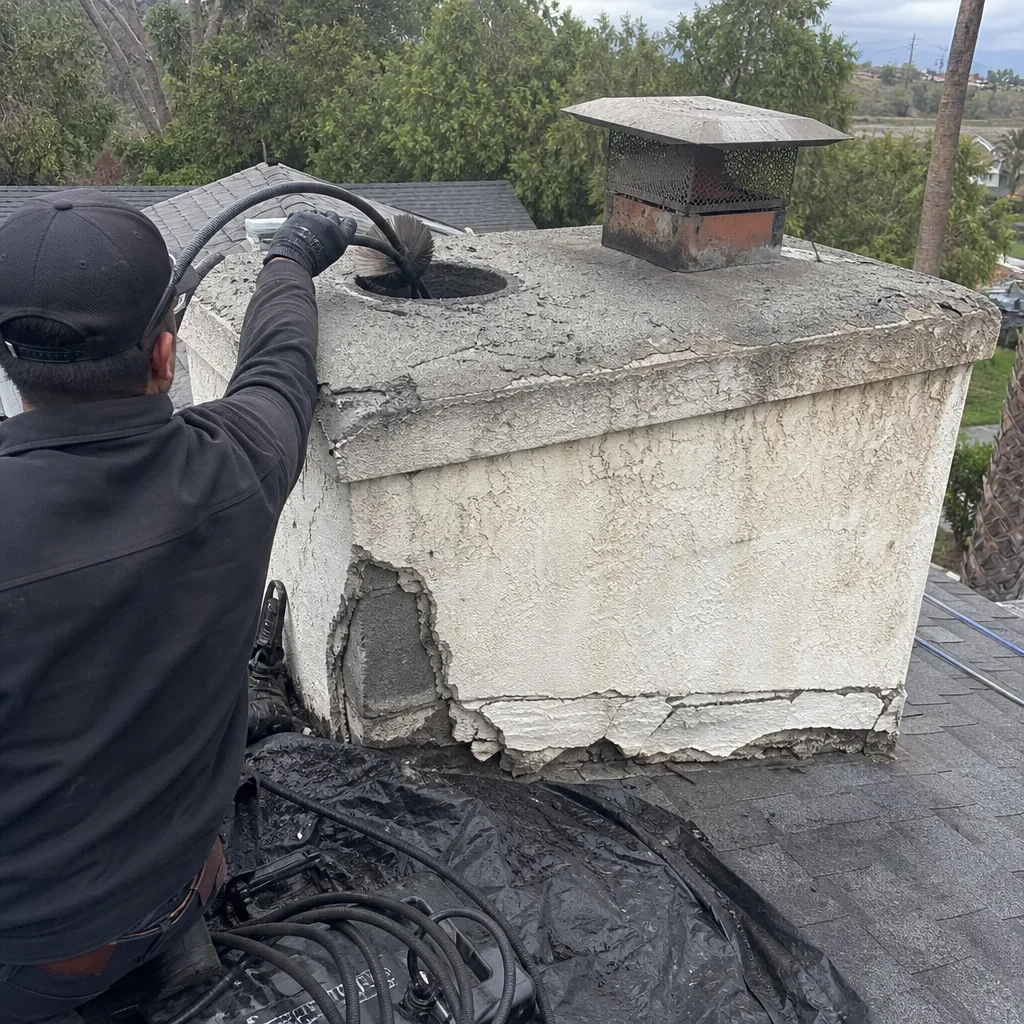 Before
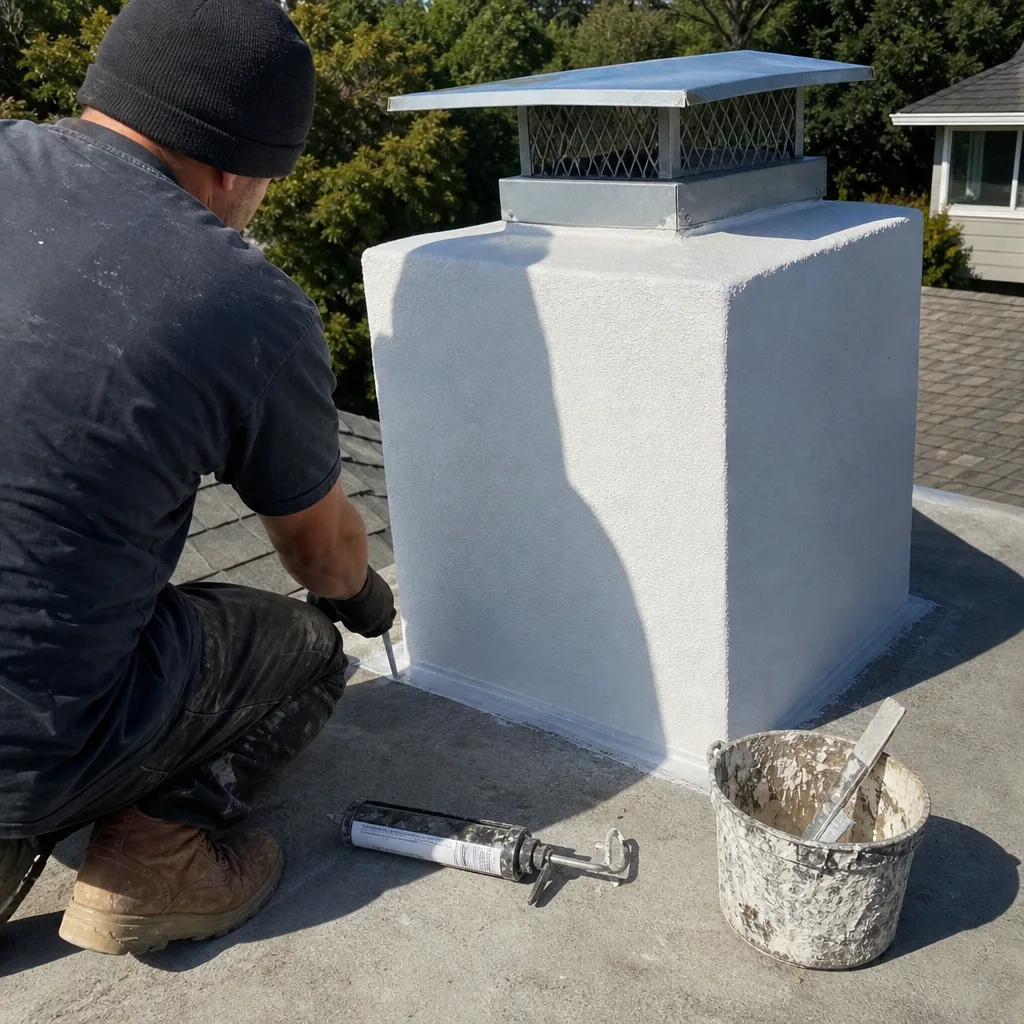 After
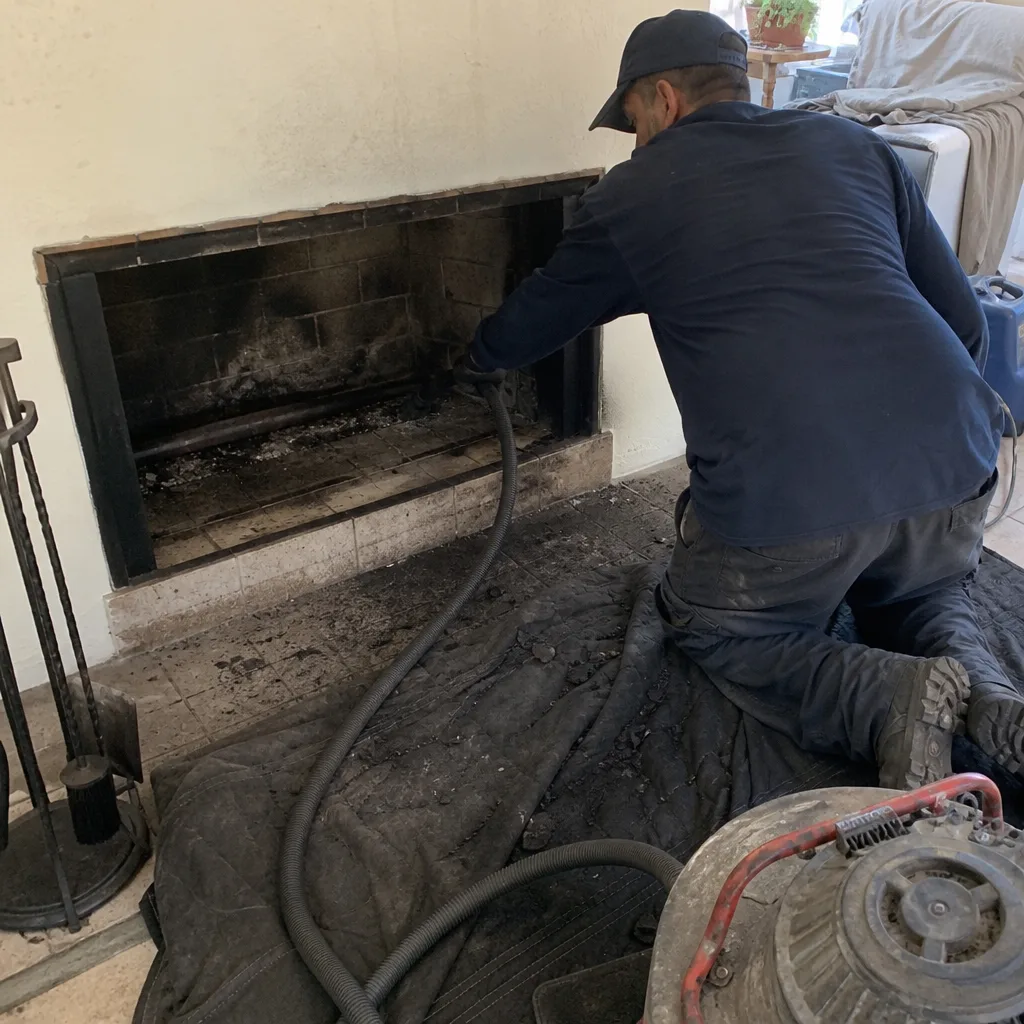 Before
 After
 Before
 After