
Last updated November 2, 2026
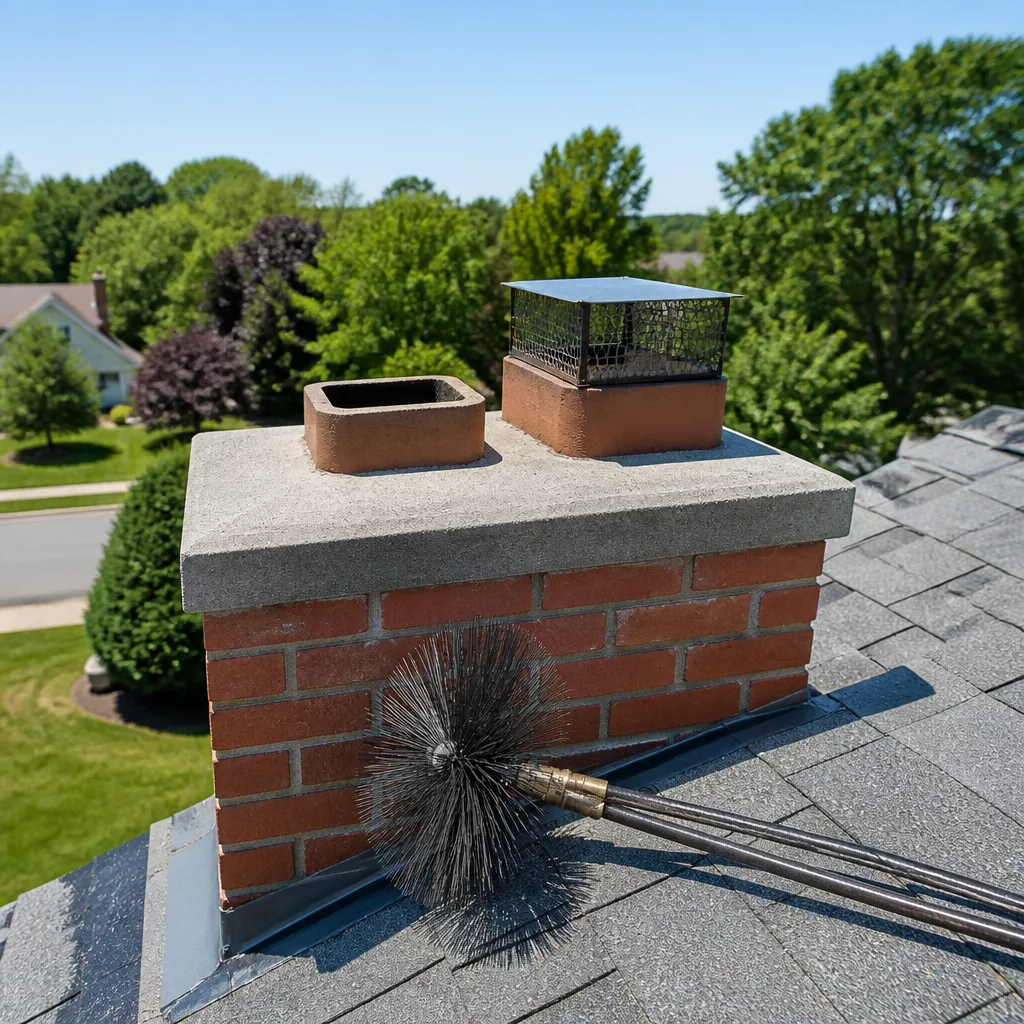 Sweep & inspection
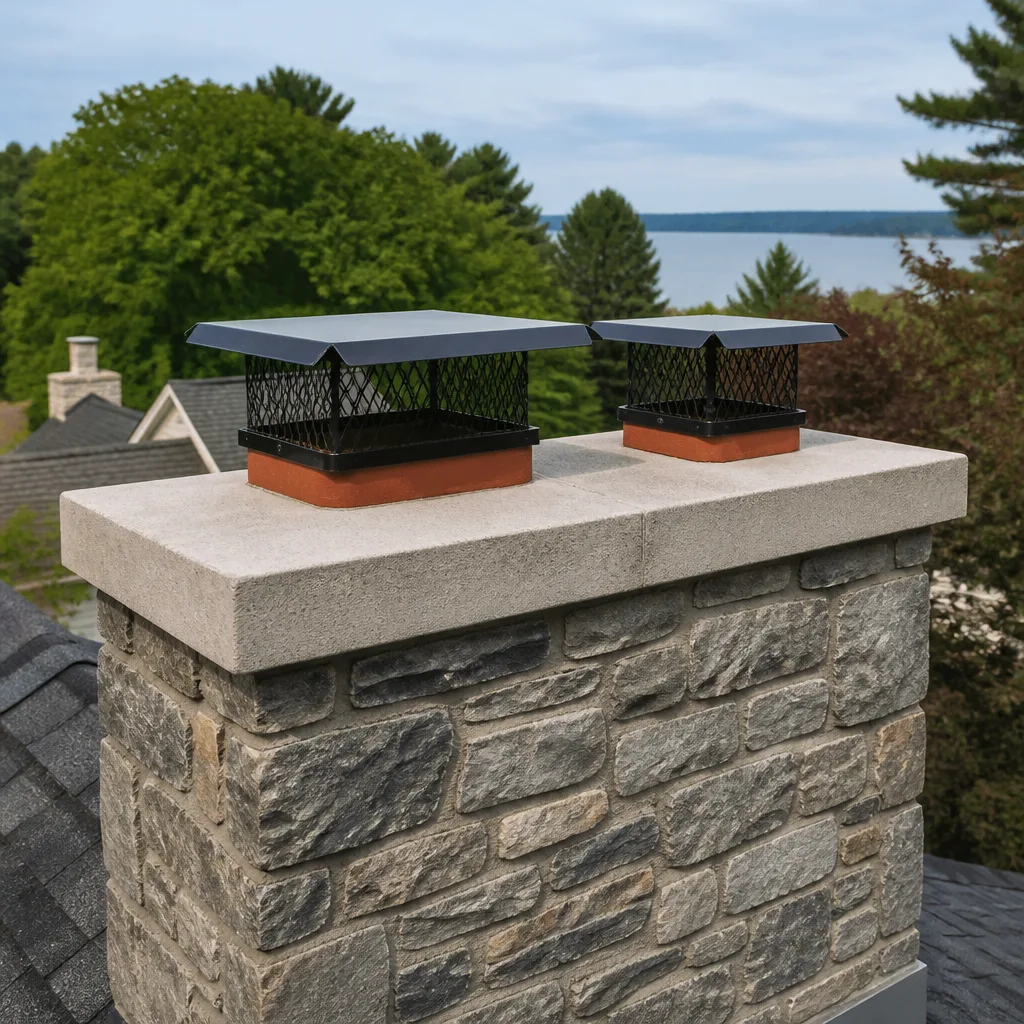 Caps & crowns
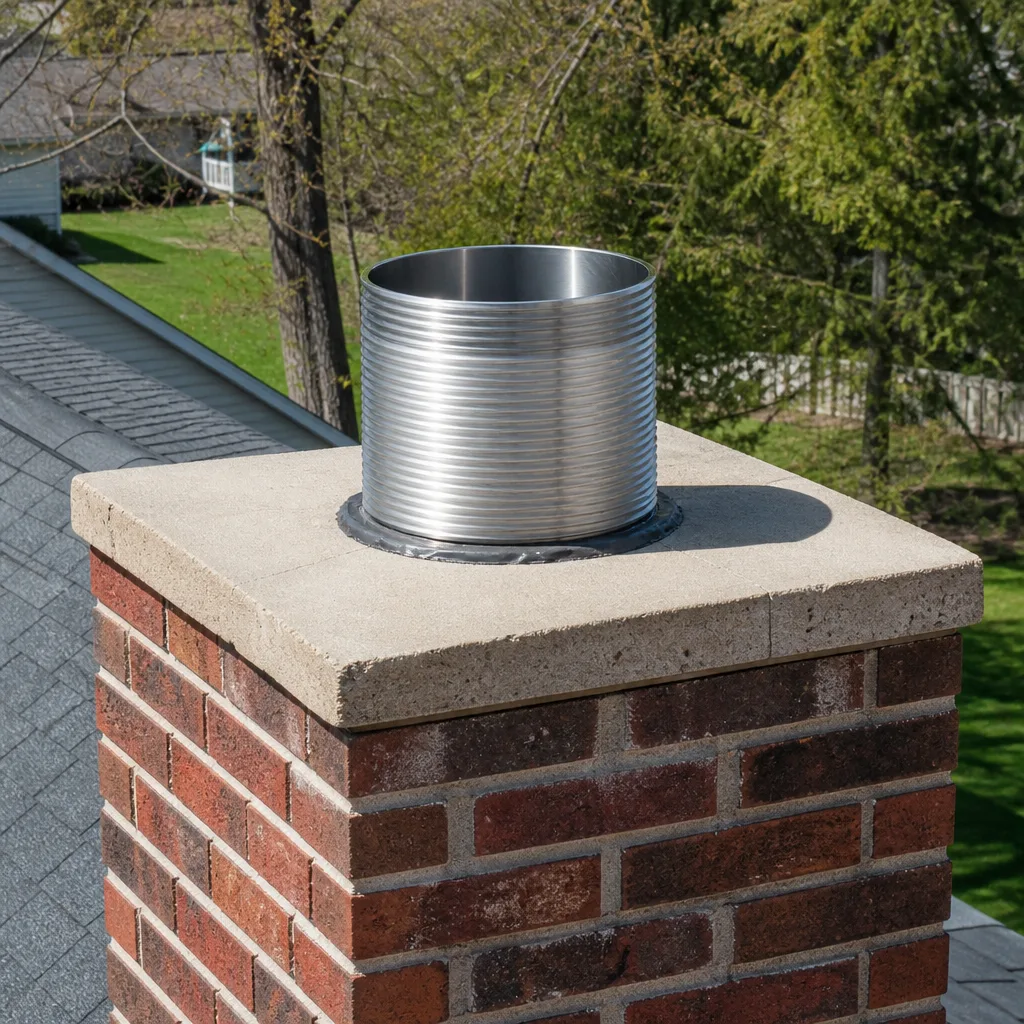 Flue relining
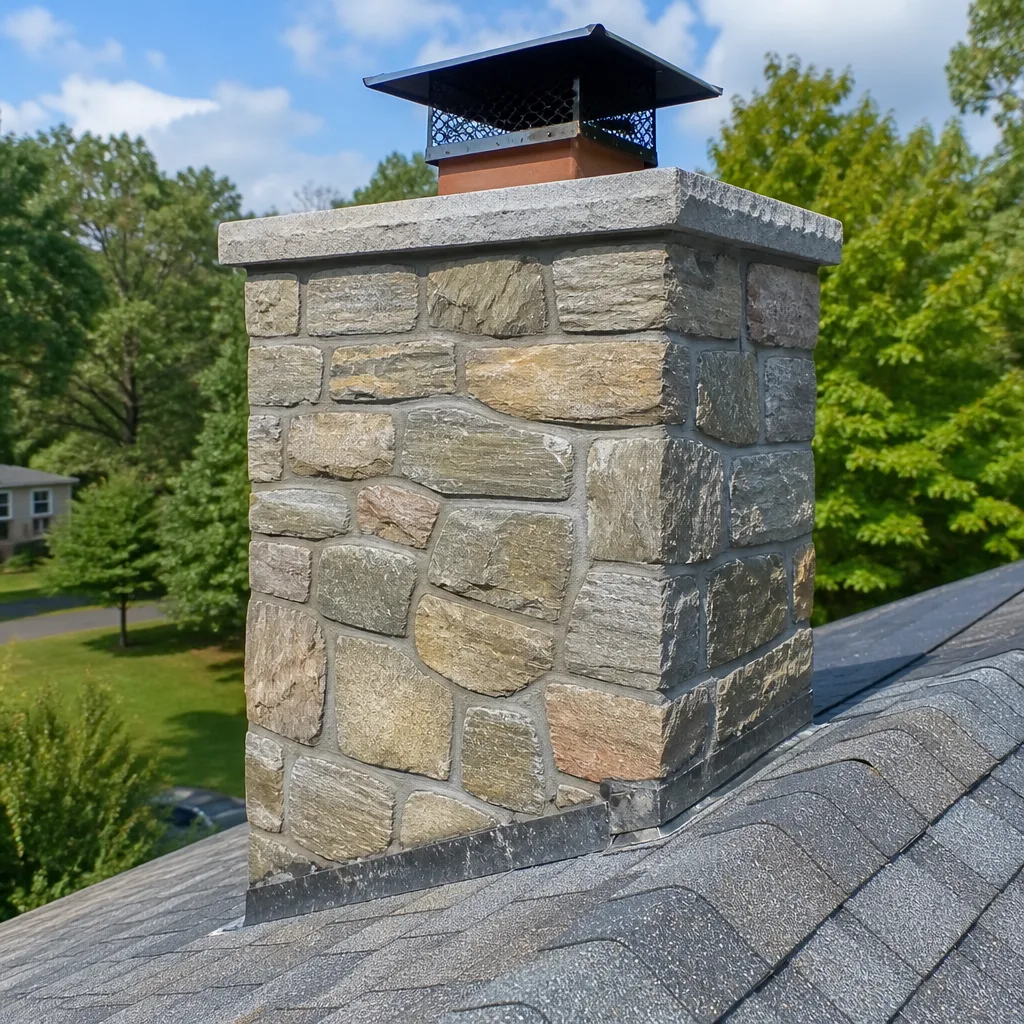 Masonry repair
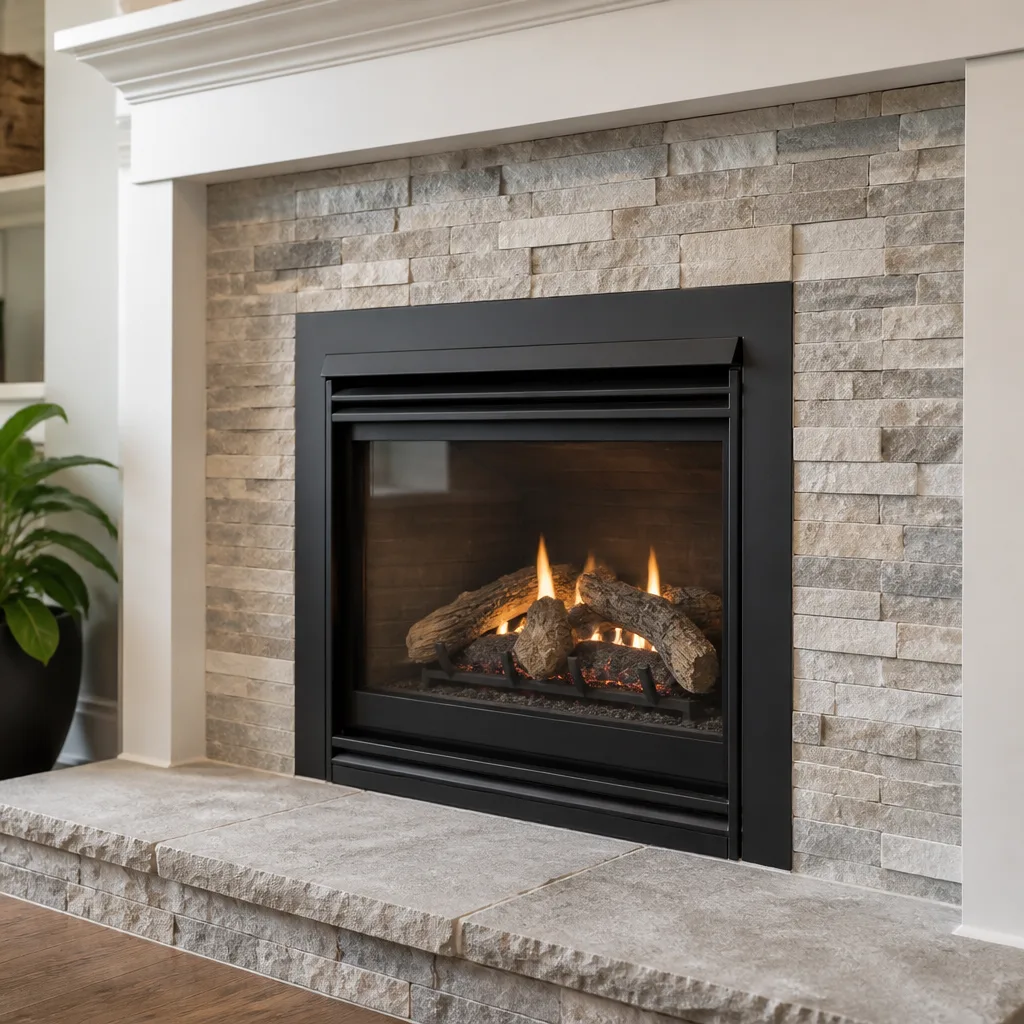 Gas fireplace service
Level 1 sweep and inspection to the NFPA 211 annual standard - flue, crown, cap, and flashing checked and photographed
Chimney sweep logs do not sweep chimneys. They loosen some creosote - which then falls where a brush and vacuum still have to collect it.
How to Hire a Chimney Cleaning Contractor in Downtown San Diego: A Step-by-Step Guide
Here’s a number most homeowners never hear: California has no dedicated chimney contractor licensing requirement. A person can legally call themselves a chimney sweep in Downtown San Diego with nothing more than a pickup truck, a brush set, and a Google Business Profile. The state’s C-61 Limited Specialty classification technically covers masonry and chimney work, but enforcement is thin, and many operators work without even that. This guide strips away the guesswork. You’ll learn the exact credentials to demand, the questions that expose inexperience, and the red flags specific to coastal San Diego chimneys. We’re Hometown Chimney Sweep, and we’ve spent years fixing what unqualified contractors leave behind in Downtown San Diego.
Styles & brands we work with
- Sweep & inspection
- Caps & crowns
- Flue relining
- Masonry repair
- Gas fireplace service
Quick Answer
To hire a qualified chimney cleaning contractor in Downtown San Diego, verify a current CSIA Certified Chimney Sweep credential number at csia.org, confirm the business carries at least $1 million in general liability insurance, request a written scope-of-work that specifies a Level 1 or Level 2 inspection plus photo documentation, and ask the coastal-specific question: “How does marine-layer moisture affect my flue?” A contractor who cannot answer that question confidently does not understand Downtown San Diego chimney conditions.
Table of Contents
- Why Downtown San Diego Has No Chimney Contractor Licensing: What That Means for You
- The Credentials That Actually Matter: CSIA, CDET, and C-61
- The Coastal Test: Three Questions That Expose Inexperience in Downtown San Diego
- How to Read a Contractor’s Certificate of Insurance
- Red Flags Specific to the San Diego Market
- What Must Appear in Writing Before Work Begins
- The Hiring Process: Step-by-Step
- What a Proper Sweep in Downtown San Diego Actually Looks Like
- Common Mistakes to Avoid
- When to Call a Professional
- Frequently Asked Questions
- The Bottom Line
Why Downtown San Diego Has No Chimney Contractor Licensing: What That Means for You
California’s Contractors State License Board requires a C-61/D-42 license for structural chimney repair and masonry work. But for cleaning, inspection, and minor maintenance, the state imposes no dedicated chimney-license requirement. Compare that to Massachusetts and Connecticut, where chimney sweeps must hold government-issued credentials, or Oregon, which mandates certification through a recognized body. Downtown San Diego sits in the unregulated camp. Anyone can hang a shingle.
The practical result is a market flooded with generalists. Handymen, roofers, and even house cleaners add “chimney service” to their offerings because the startup cost is a few hundred dollars. A professional-grade rotary brush system, HEPA vacuum, and inspection camera cost thousands. The person charging you $79 for a “full sweep” likely has the former.
That is why this guide exists. You could hire the cheapest option in Downtown San Diego and be fine. Or you could hire someone who loads creosote back into your firebox, misses a cracked flue tile, and leaves you with a chimney fire risk you paid to eliminate. The steps below are designed so you never have to guess.
We’re a full-service operati on with a different model than the sweep-only companies. Hometown Chimney Sweep home covers cleaning, repair, and dryer vent work under one crew. That scope matters, but it doesn’t help you if you don’t know how to evaluate anyone claiming expertise. Here’s the framework.
The Credentials That Actually Matter: CSIA, CDET, and C-61
Three credentials separate qualified contractors from the rest in Downtown San Diego. Request all three before booking, and verify what you’re told.
1. CSIA Certified Chimney Sweep
The Chimney Safety Institute of America sets the industry standard. A CSIA credential means the technician passed a rigorous exam covering fire codes, inspection procedures, combustion science, and clearance requirements. It’s not a mail-order certificate. Every credentialed sweep has a number you can verify at csia.org in under sixty seconds.
Ask for the technician’s CSIA number, not just whether the company is “CSIA certified.” Some companies display the credential for an owner who never touches a job while sending untrained employees to homes. Confirm the person standing in your living room is the person whose number you verified.
2. CDET Certification for Dryer Vents
The Certified Dryer Exhaust Technician credential covers dryer vent code and fire-safety requirements. If the contractor also handles dryer vents, this certification matters. The CSIA administers the CDET program, and the verification process is the same. A company offering dryer vent cleaning without CDET or equivalent training may not understand the International Residential Code’s M1502 requirements for duct length, termination, and material.
3. C-61 Limited Specialty License for Structural Work
If your inspection finds cracked flue tiles, a damaged crown, or a compromised liner, structural repair requires a C-61/D-42 license from the California Contractors State License Board. Verify the number at cslb.ca.gov. A sweep-only operator cannot legally perform this work. The right contractor either holds the license or tells you honestly, “That repair requires a C-61, and here’s who we recommend.” We stock and install DuraFlex liner systems and HeatShield restoration coatings, so repairs found during a sweep get fixed by the same crew, not referred out to a second company. You can see our full repair scope on the Chimney Repair in Downtown San Diego page.
The Coastal Test: Three Questions That Expose Inexperience in Downtown San Diego
Here’s the fastest way to separate a qualified sweep from a generalist in Downtown San Diego. Ask these three questions over the phone before booking. In our experience, fewer than one in four callers can answer all three.
- “How does marine-layer moisture affect my chimney?” Downtown San Diego sits in a fog belt. Marine-layer moisture penetrates masonry chimneys and accelerates spalling, the flaking and crumbling of brick faces. A qualified sweep explains that unsealed chimneys near the coast absorb moisture, and that a water-repellent treatment or chimney cap may be needed. An inexperienced contractor says something vague about “moisture being bad.”
- “What creosote profile do you typically see in low-use wood-burning fireplaces in this area?” San Diego winters are mild. Homeowners burn wood 20 to 30 nights a year, not every night. Low-use fireplaces produce dried, flaky, Stage 1 creosote rather than the thick, tarry Stage 3 glaze common in colder climates. A qualified sweep knows this distinction. It affects brush selection, chemical treatment, and the urgency of the job. An unqualified sweep goes straight to fear language about chimney fires without understanding the actual risk profile.
- “How do you check for salt corrosion on stainless steel components?” Coastal air carries salt. Stainless steel chimney caps and chase covers in Downtown San Diego corrode faster than their inland counterparts. A qualified sweep checks for pitting and rust on these components during every inspection. If the contractor doesn’t mention salt corrosion at all, they haven’t worked coastal chimneys long.
If the answers are vague or evasive, move on. You’re not hiring someone to learn on your chimney.
How to Read a Contractor’s Certificate of Insurance
Every legitimate contractor carries insurance. The difference between adequate coverage and dangerous coverage comes down to the numbers on the certificate. Ask for a certificate of insurance (COI) before booking, and check these three things.
- General liability minimum of $1 million per occurrence. This protects your home if the contractor’s work causes property damage. A $500,000 policy sounds substantial but disappears quickly if a chimney fire damages a Downtown San Diego condo or rowhome and the adjoining unit. Condo associations in Gaslamp and East Village frequently require $2 million for common-building work. Request $1 million as the floor.
- Workers’ compensation coverage. If a technician falls off your roof without workers’ comp coverage, your homeowner’s policy becomes the target. California law requires workers’ comp for any business with employees. If the contractor says they “don’t need it because they’re independent contractors,” ask for proof of each independent contractor’s own workers’ comp policy. No proof, no booking.
- Named insured matches the company name. A certificate that names a different LLC or an individual rather than the company you’re hiring is a red flag. The named insured must match the entity on the contract.
You should also verify coverage directly with the insurance carrier. The agent’s phone number is on the certificate. Two minutes on the phone confirms the policy is active and hasn’t lapsed. Contractors who refuse to provide a COI are telling you everything you need to know.
Red Flags Specific to the San Diego Market
Every market has its own warning signs. These are the ones we see consistently in Downtown San Diego.
- Quoting over the phone without asking about chimney type, fuel type, or last service date. Sweeping a prefab fireplace is a different job than sweeping a masonry chimney. A gas log set requires a different procedure than a wood-burning firebox. If the contractor quotes a flat fee without asking what they’re working on, they’re not doing an inspection, they’re doing a production-line brush pass.
- Door-to-door sweeps offering “$49 specials.” These operators blanket residential neighborhoods in Downtown San Diego and surrounding areas after fire season. The low price gets them on the roof, and the upsell starts. In a market with no licensing barrier, door-to-door solicitation is the most reliable predictor of low-quality work.
- Quoting a “chimney sweep” without mentioning an inspection level. The National Fire Protection Association defines Level 1, Level 2, and Level 3 inspections. A contractor who doesn’t reference these levels doesn’t follow NFPA 211, the standard for chimneys. That’s disqualifying.
- Recommending a new liner without camera evidence. Never accept a liner replacement recommendation based on a visual glance. A proper diagnosis requires a camera inspection. We show every client the footage. If the contractor can’t show you the crack, the corrosion, or the separation, you’re being sold a problem you can’t verify.
- Skipping the firebox and damper inspection. The firebox and damper are where problems first appear. A sweep that only lasts 30 minutes and never opens the damper or inspects the smoke shelf isn’t doing the job.
What Must Appear in Writing Before Work Begins
A verbal agreement is not a contract. Before any technician sets foot on your Downtown San Diego property, these six terms should appear in writing.
- Inspection level (Level 1, Level 2, or Level 3). The NFPA defines what each level includes. Specify which one you’re paying for and what it covers. A standard annual sweep is typically a Level 1 inspection. A home sale or a change in fuel type requires Level 2.
- Photo documentation requirement. A competent contractor provides camera inspection photos before and after work. If there’s a problem, you see it. If there’s no problem, you see that too. No photos, no proof.
- Repair authorization threshold. The contract should state that any repair exceeding a specified dollar amount requires your separate written approval. A sweep is one scope of work. A liner replacement or crown rebuild is a different scope. Keep them separate.
- Warranty language on repairs. Repairs should carry a written warranty specifying what’s covered and for how long. “We’ll fix it if there’s a problem” is not a warranty. A real warranty names the component, the duration, and the remedy.
- Cleanup and soot containment procedures. The contract should specify how the home will be protected. HEPA vacuum filtration? Drop cloths? Floor protection? A qualified sweep protects your floors and furniture without being asked.
- Total price with no hidden fees. The written price is the price. If the scope changes during the visit, a change order should follow the same approval process. Not a surprise line item on the invoice.
The Hiring Process: Step-by-Step
Here’s the full process, compressed into an actionable sequence.
- Ask for the CSIA credential number. Verify it at csia.org. If the company hesitates or says they’re “in the process” of getting certified, end the call.
- Request the certificate of insurance. Confirm $1 million general liability, workers’ comp, and matching names. Call the carrier to verify the policy is active.
- Ask the three coastal questions. Salt corrosion, marine-layer moisture, low-use creosote. Write down the answers. Vague answers are disqualifying.
- Request a written scope of work. Get the inspection level, photo documentation, repair authorization threshold, and warranty language in writing before the appointment.
- Check the California license status if repairs are likely. If your chimney is older than 20 years or you suspect damage, look up the company at cslb.ca.gov for a C-61/D-42 license. No license means no structural work.
- Book the appointment and be present. Watch the work. A legitimate contractor encourages questions and shows you what they’re seeing. If the technician avoids your questions or seems rushed, that’s a signal about the company culture.
We follow this same standard when hiring subcontractors or evaluating our own work. It’s the minimum, not the ideal.
What a Proper Sweep in Downtown San Diego Actually Looks Like
You’ve vetted the contractor. The technician arrives. What should you see next?
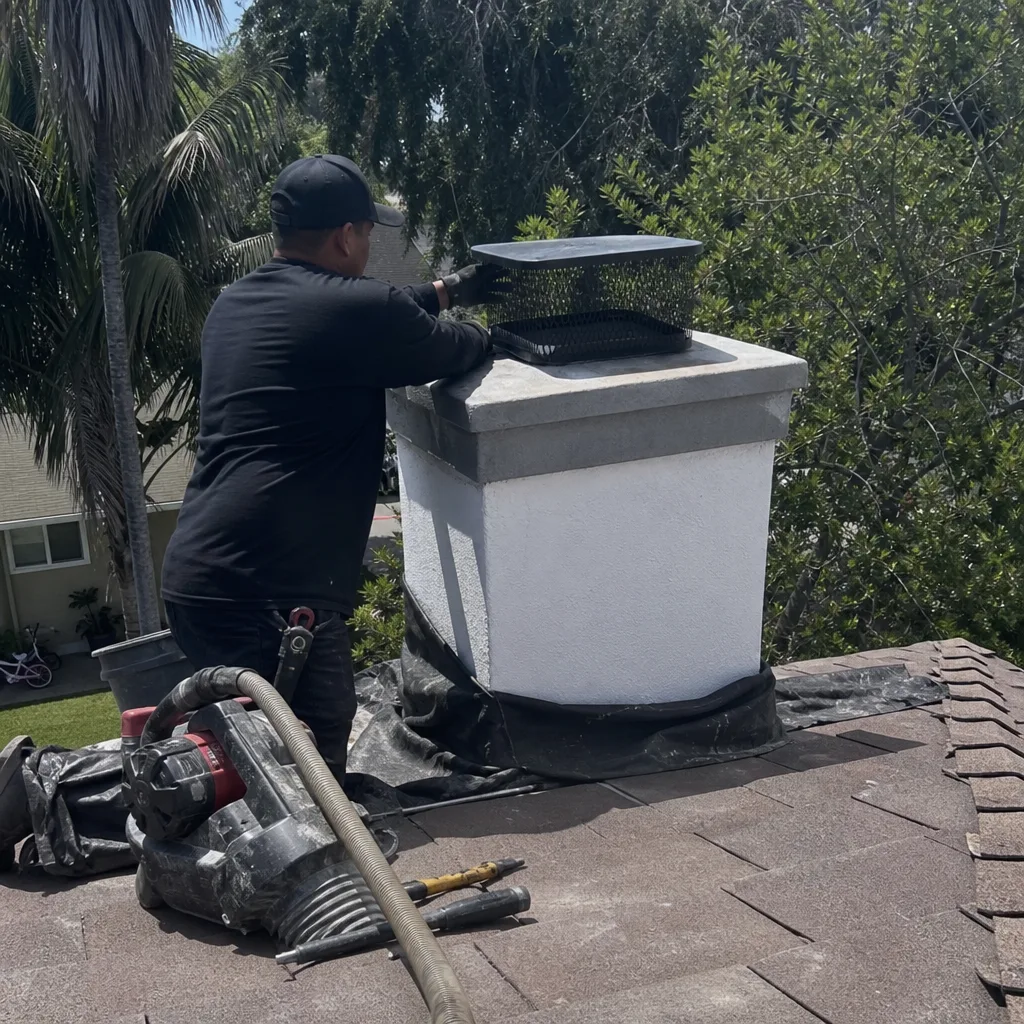
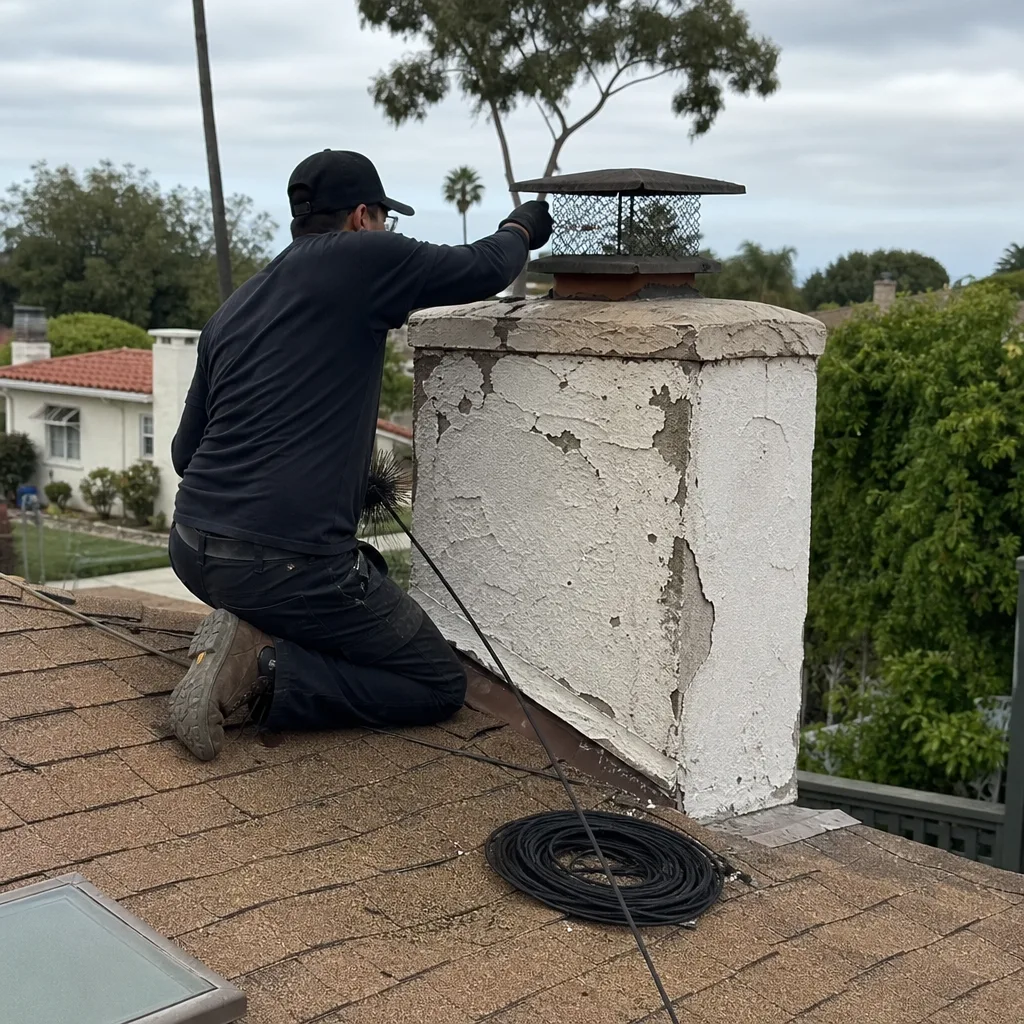
A proper sweep starts with a visual inspection from the roofline down. The technician looks at the chimney cap, checks for salt corrosion on metal components specific to coastal areas, examines the crown for cracks, and scans the flue with an inspection camera. Then the sweep itself. A rotary brush system with flexible rods cleans the flue from top to bottom. A HEPA vacuum runs simultaneously to keep soot out of your living space. The technician removes creosote from the smoke shelf, damper, and firebox. After the sweep, a second camera pass confirms the flue walls are clean and no damage was missed.
Total time for a straightforward Level 1 sweep: 45 minutes to an hour. Less than 30 minutes usually means corners were cut.
Here’s the part most Downtown San Diego homeowners don’t know. A sweep is often just the starting point. If the inspection finds a cracked flue tile or a deteriorated liner, the repair scope begins. That’s where full-service capability matters. We install HeatShield restoration coatings to repair liners without full replacement, DuraFlex flexible liner systems for structural upgrades, and components from Famco and Copperfield for caps, dampers, and chase covers. The important thing for you is that the company you hire can either fix what’s found or give you an honest referral, not a shrug.
For a more detailed breakdown of what a Downtown San Diego sweep includes, see our Chimney Sweep in Downtown San Diego page. And if the technician notices your dryer vent while they’re in the home, that’s a signal they’re thinking about whole-home ventilation safety, not just fireplace upsells. Our Dryer Vent Cleaning in Downtown San Diego work follows the same credential and documentation standards as our chimney service.
Common Mistakes to Avoid
- Hiring on price alone. The $79 sweep in Downtown San Diego exists because it’s profitable, not because it’s thorough. A 20-minute brush pass doesn’t include a camera inspection, doesn’t check the damper, and doesn’t document the flue condition. You’re paying for a feeling of safety, not actual safety.
- Skipping insurance verification. “Licensed and insured” on a website means nothing. Request the COI. Verify it. Two minutes on the phone with the carrier beats a $40,000 homeowner’s claim denial.
- Accepting a liner recommendation without camera proof. We’ll repeat this because it’s the most common upsell in the industry. If the contractor says you need a new liner but can’t show you the damage on a camera screen, get a second opinion. The Chimney Repair in Downtown San Diego page covers what a proper liner diagnosis looks like.
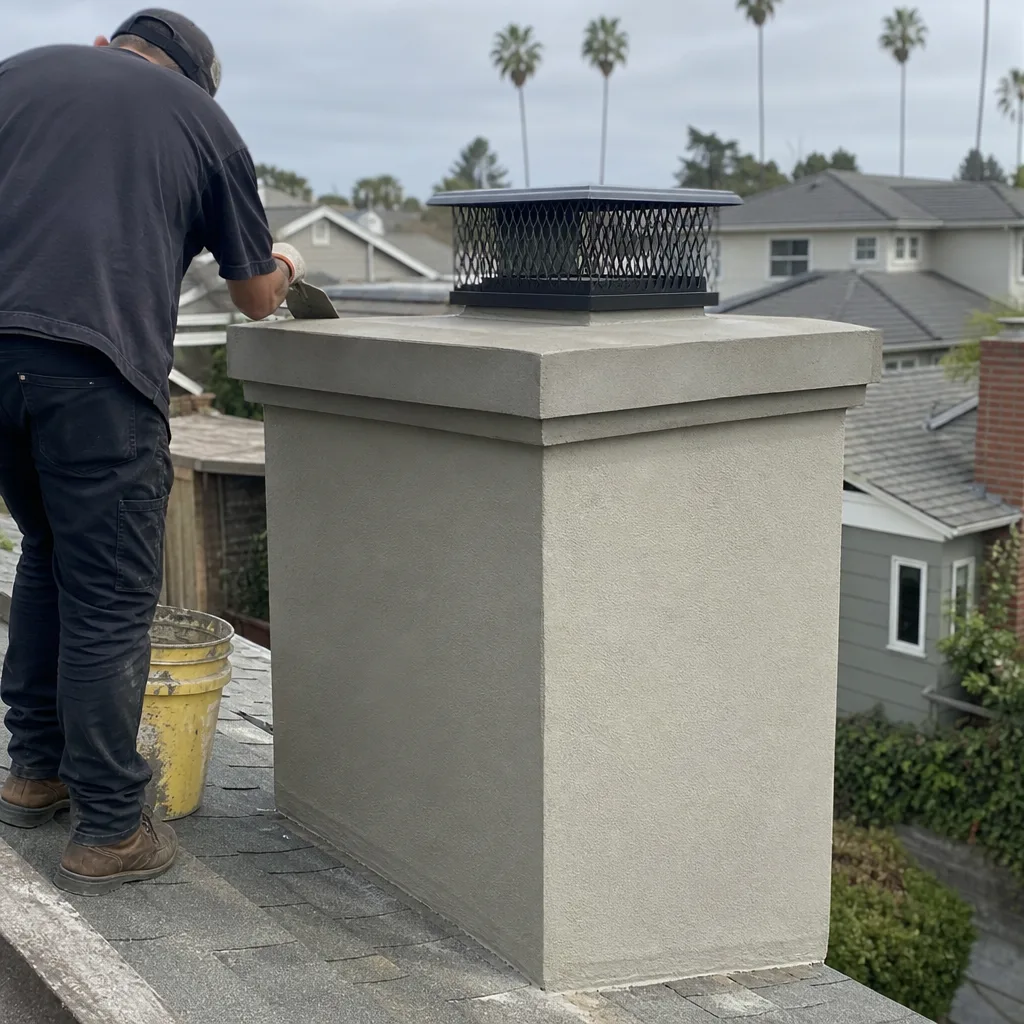
- Ignoring the chimney cap. In coastal Downtown San Diego, a missing or damaged cap accelerates every other problem. Salt air corrodes the flue. Rain enters the firebox. Birds nest in the smoke chamber. A cap is a $200 to $400 fix that prevents thousands in damage.
- Not being present for the work. You should see the inspection camera footage. You should hear the brush contacting the flue walls. You should receive a written report with photos. If the contractor discourages your presence, that’s a reason to find a different contractor.
- Assuming gas fireplaces need no service. Gas logs and gas inserts still produce carbon monoxide and need venting inspection. Downtown San Diego has thousands of gas fireplaces that haven’t been inspected in years. A gas fireplace flue can accumulate debris and corrosion even without wood smoke.
- Confusing a home inspector’s note with a proper chimney inspection. A home inspector checks for obvious red flags. They don’t run a camera through the full flue, don’t measure clearance to combustibles, and don’t assess creosote accumulation levels. If your home inspector flagged the chimney in Downtown San Diego, book a Level 2 inspection from a credentialed sweep, not a second home-inspection pass.
When to Call a Professional
Some chimney situations are not worth your time to evaluate further. You need a professional inspection and sweep if you notice any of these signs. A smoky smell in the home when the fireplace isn’t in use. Visible creosote buildup on the damper or firebox walls. Soot falling into the firebox between uses. Rust or corrosion on the chimney cap or chase cover. A musty smell coming from the firebox, which often indicates moisture intrusion. Or if it’s simply been more than two years since the last service. Any of these conditions in a Downtown San Diego home warrants a call. Hometown Chimney Sweep offers free estimates in Downtown San Diego. Call (866) 670-3503 and we’ll schedule an inspection at your convenience.
Frequently Asked Questions
A standard Level 1 chimney sweep in Downtown San Diego typically runs from $180 to $340 depending on chimney height, accessibility, and creosote accumulation. Condos and rowhomes in Gaslamp and East Village with rooftop access may run higher. A Level 2 inspection, required for home sales or fuel-type changes, typically ranges from $250 to $500. If a quote comes in under $100, ask what’s being excluded, because something important is. Call (866) 670-3503 for an exact quote on your chimney.
You need the camera inspection. A visual glance down the flue from the roof shows the top few feet. The camera sees the full length of the flue, the smoke chamber, the damper, and any cracks, gaps, or blockages that are invisible from above. Without camera documentation, you cannot verify any repair recommendation. This is the single most important tool a qualified sweep brings to your Downtown San Diego home.
The NFPA recommends an annual inspection and cleaning as needed. In Downtown San Diego, where most wood-burning fireplaces see 20 to 30 uses per year, the creosote accumulation rate is lower than in cold climates, but it is not zero. Dry flaky Stage 1 creosote still accumulates and still presents a fire risk if left unaddressed for multiple years. Annual inspection is the standard. Cleaning can sometimes be every second year for very low-use fireplaces, but a visual inspection should confirm that before you skip a year.
Creosote accumulation is the direct cause of most chimney fires. Stage 1 flakes ignite easily and burn hot enough to crack flue tiles. Once flue tiles crack, the chimney can no longer contain the heat and smoke, which puts the surrounding structure at risk for a house fire. Separately, an unmaintained chimney develops moisture intrusion problems that accelerate spalling in coastal air. The repair bill for a neglected Downtown San Diego chimney is typically five to ten times the cost of a routine sweep. Call (866) 670-3503 to get current on your chimney maintenance.
A Level 1 inspection covers the readily accessible portions of the chimney and is appropriate when the chimney is used the same way year after year. A Level 2 inspection is required when the property is being sold, when the fuel type changes, or when the chimney has been damaged by fire, weather, or earthquake. Downtown San Diego homes in earthquake zones should consider a Level 2 inspection after any significant seismic event.
Yes, and a company that offers both services under one team is thinking about whole-home ventilation safety, not just fireplace work. Dryer vent cleaning is a separate discipline with its own credential, CDET, and its own code requirements. Clogged dryer vents are one of the leading causes of residential fires in the United States, and the mild San Diego climate means many homeowners run dryers year-round. We handle both service lines at Hometown Chimney Sweep. See the Dryer Vent Cleaning in Downtown San Diego page for details.
The Bottom Line
Hiring a chimney cleaning contractor in Downtown San Diego depends on credentials, documentation, and honesty. Verify the CSIA number, confirm active insurance with adequate liability limits, ask the coastal questions, and get everything in writing before work begins. The absence of state licensing means the responsibility falls on you, the homeowner, to separate qualified technicians from the rest. Do not accept a repair recommendation without camera evidence. Do not skip the chimney cap in a coastal environment. And do not assume a cheap sweep equals a complete job. A properly maintained chimney is a heating asset. A neglected one is a liability. Choose accordingly.
Written by the team at Hometown Chimney Sweep, serving Downtown San Diego since 2015.
See the difference
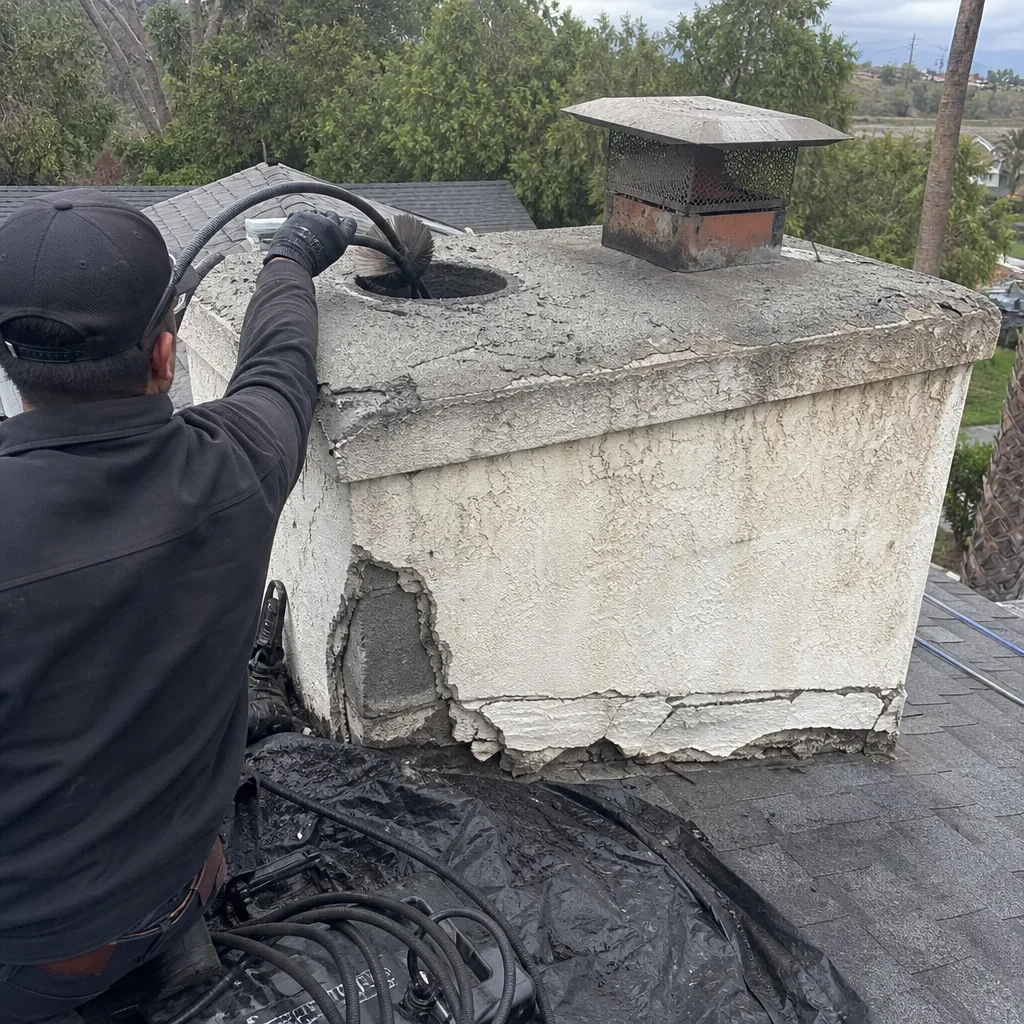 Before
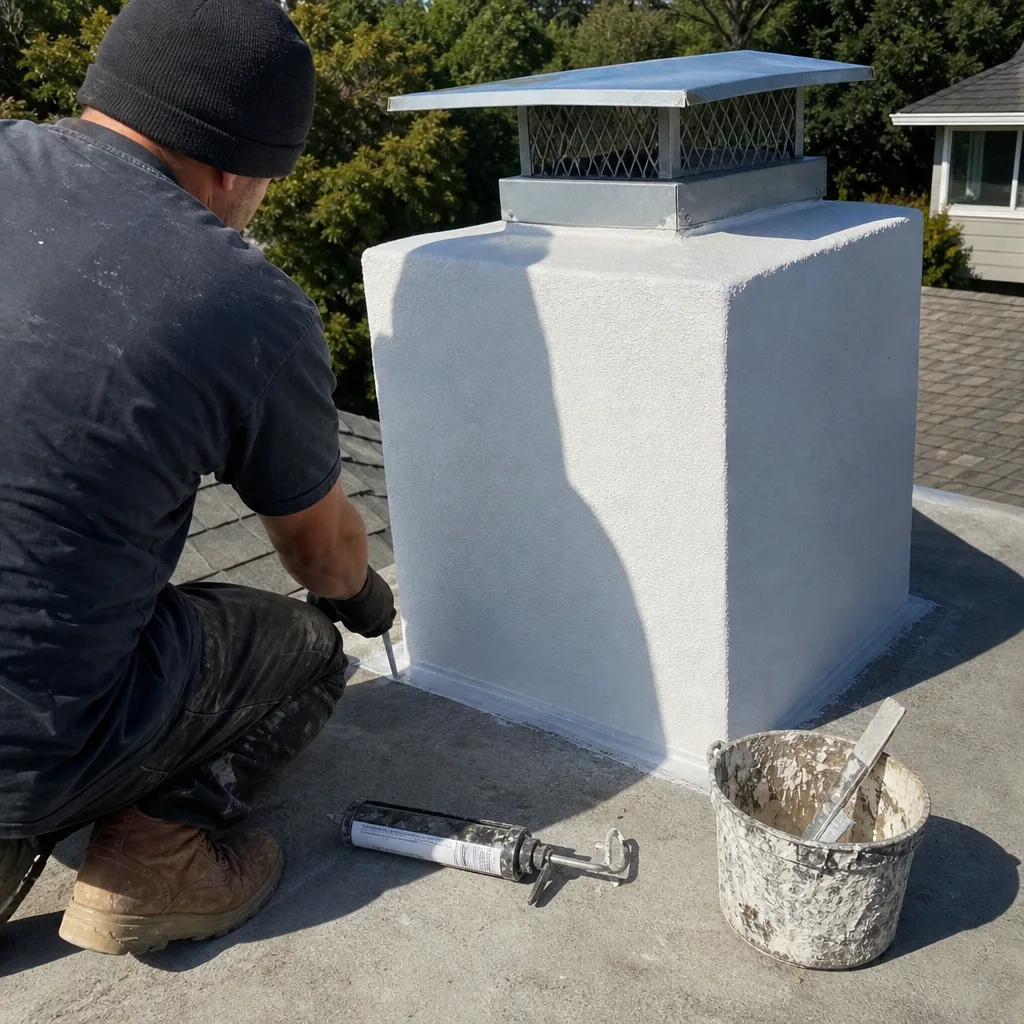 After
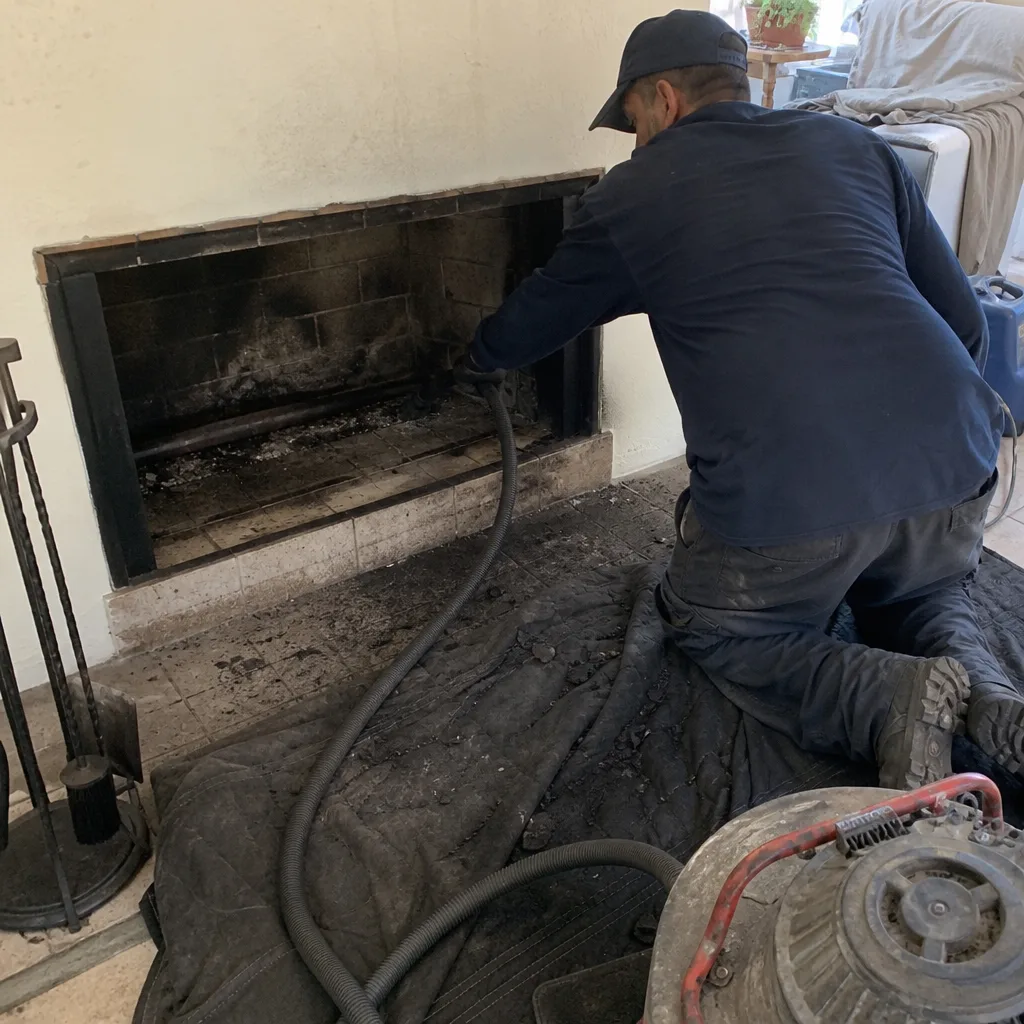 Before
 After
 Before
 After