
Last updated November 2, 2026
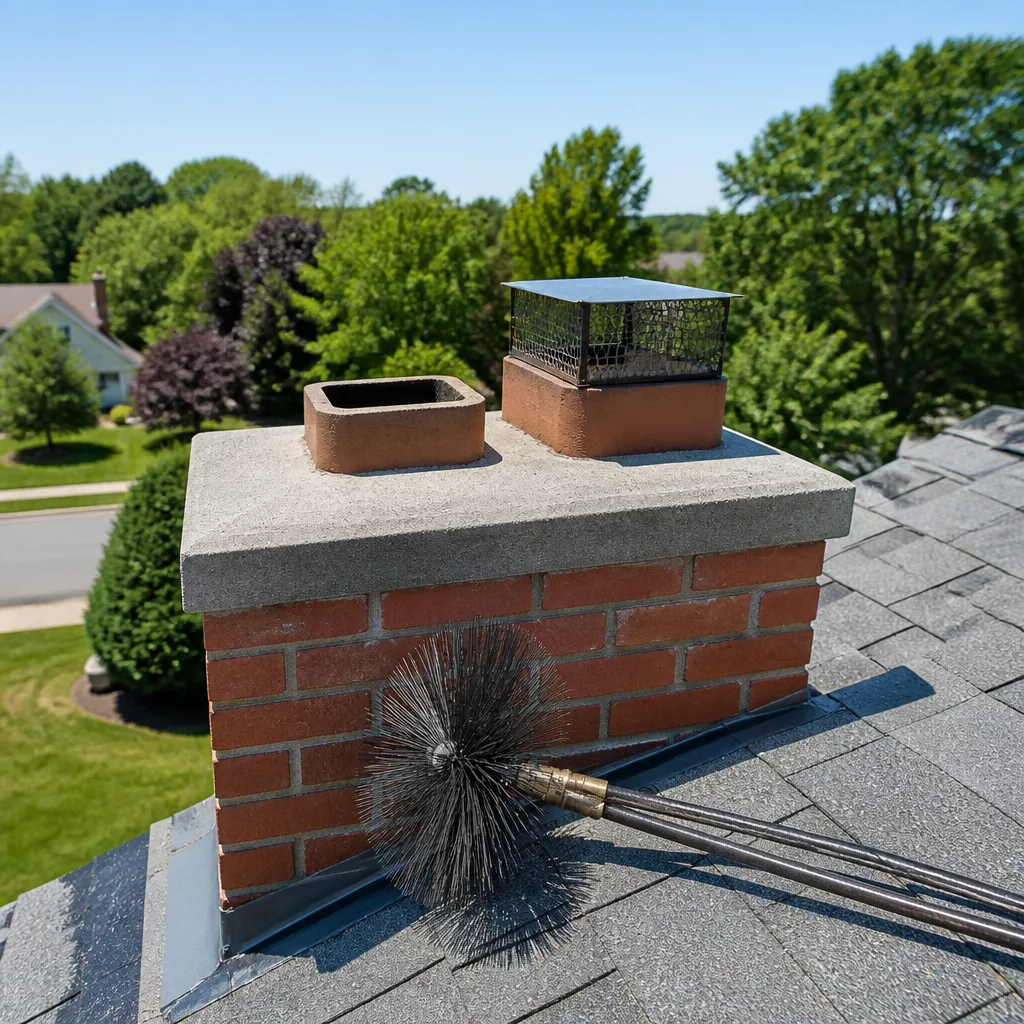 Sweep & inspection
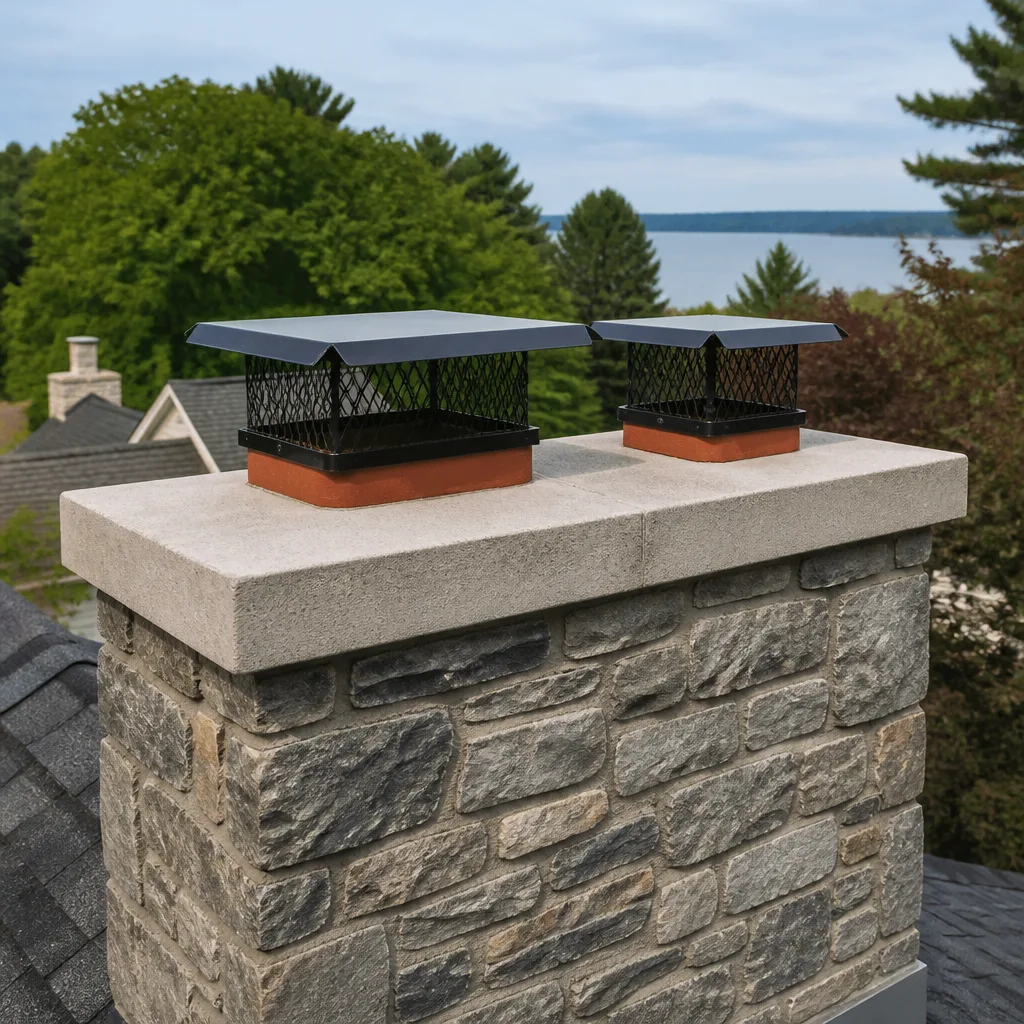 Caps & crowns
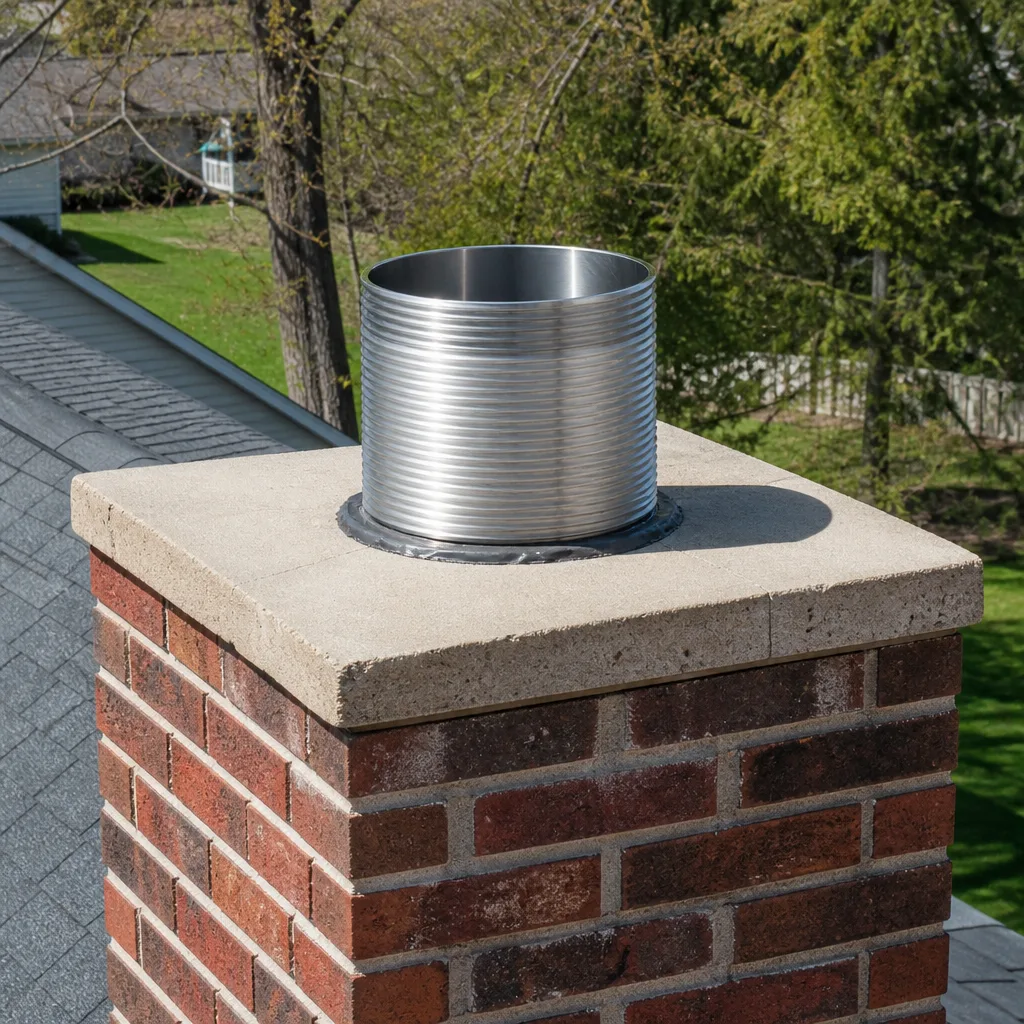 Flue relining
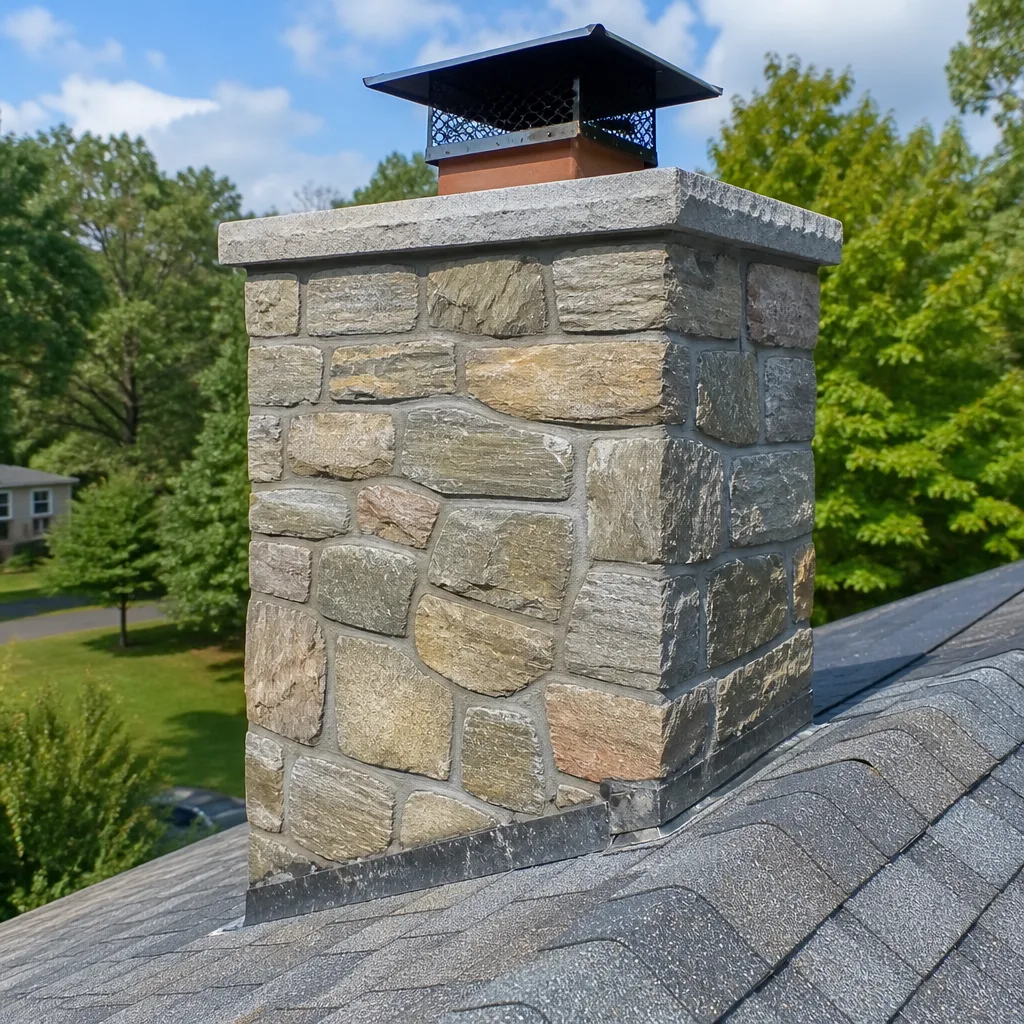 Masonry repair
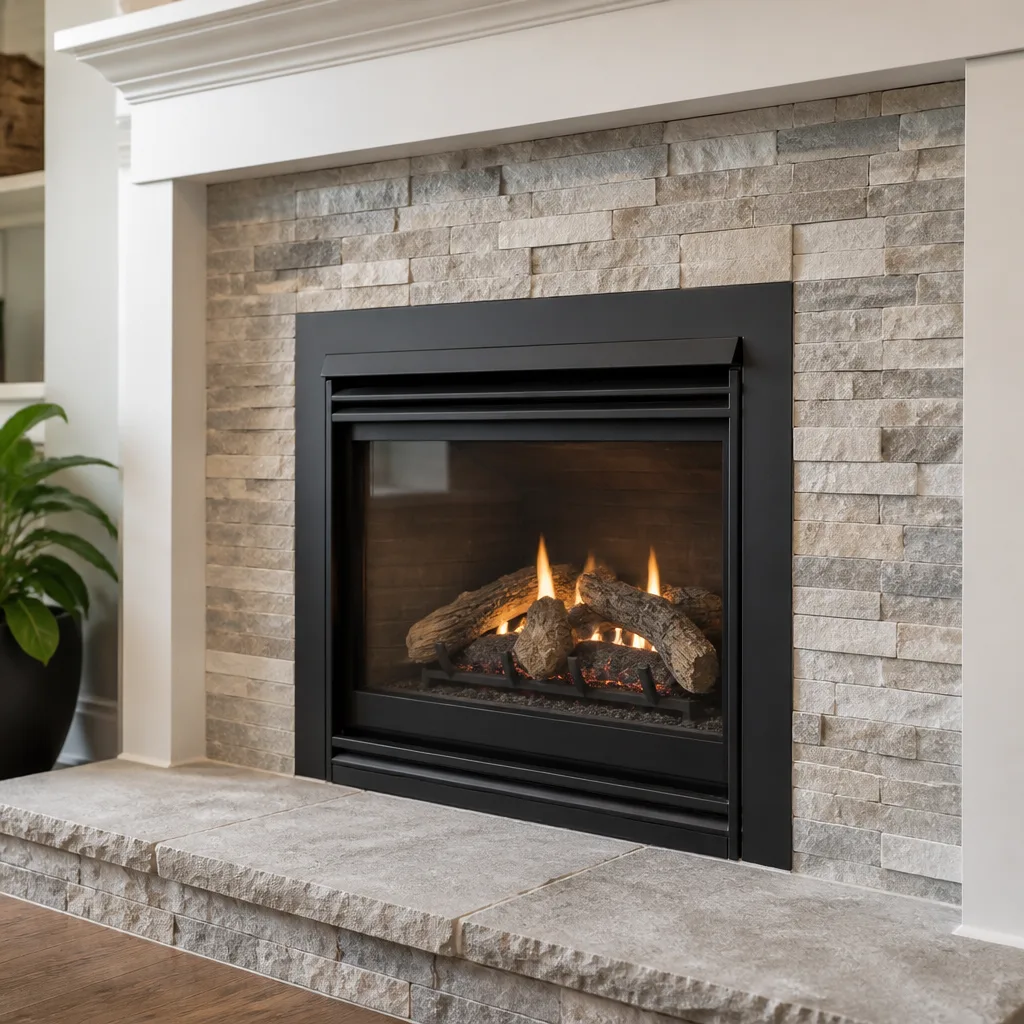 Gas fireplace service
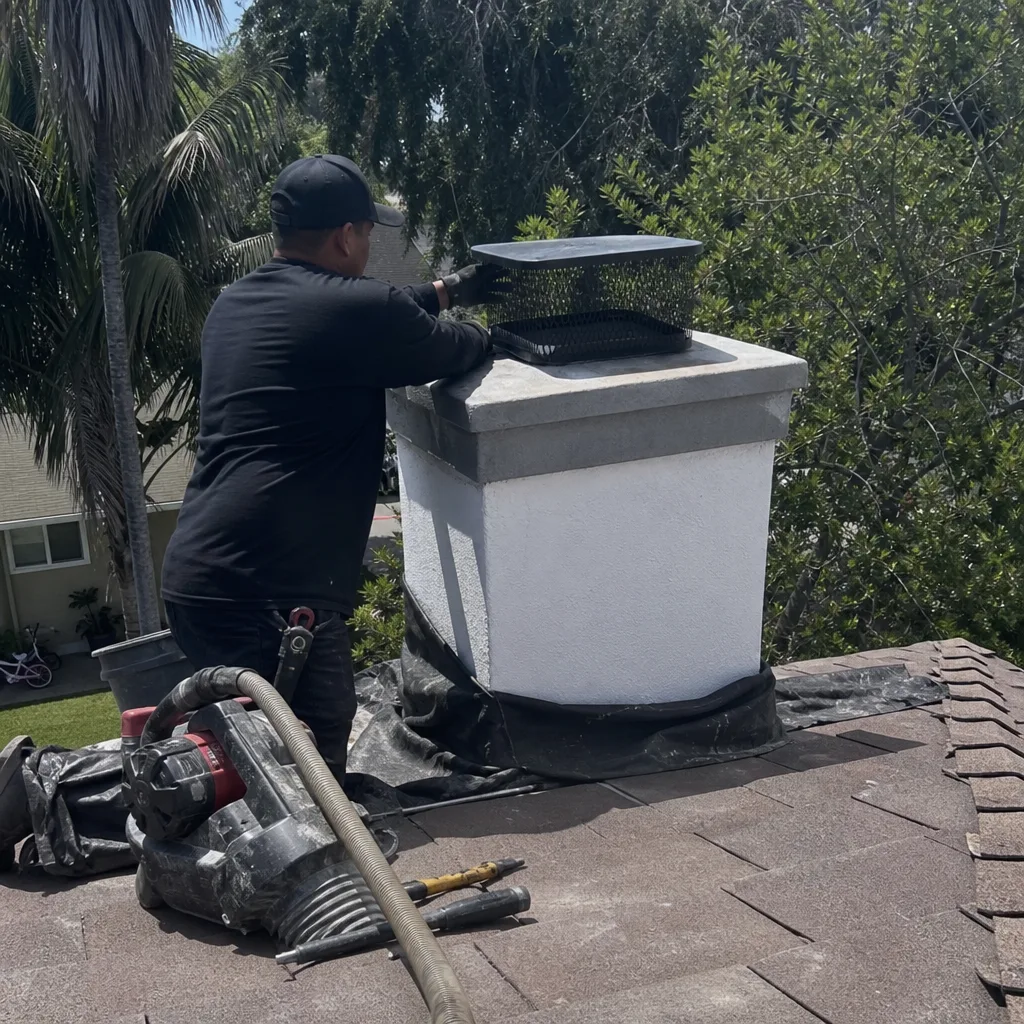
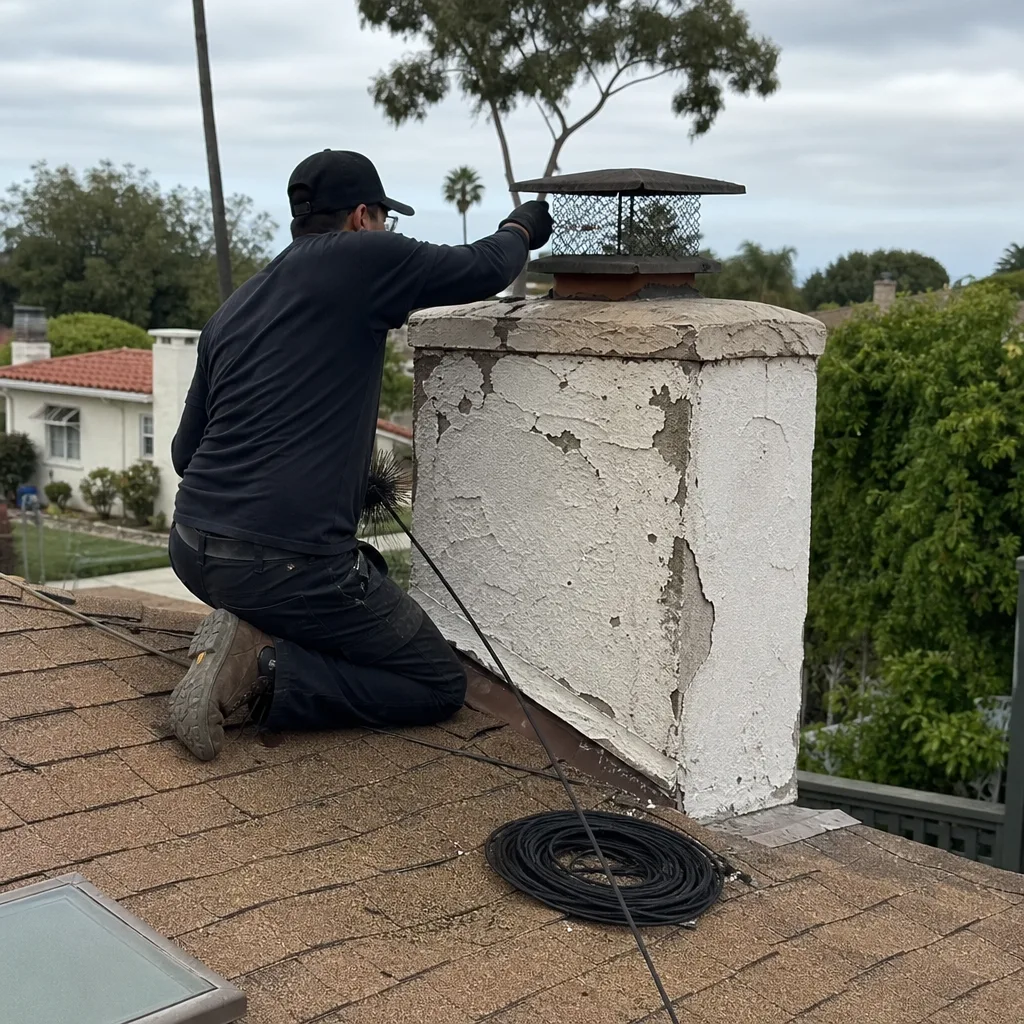
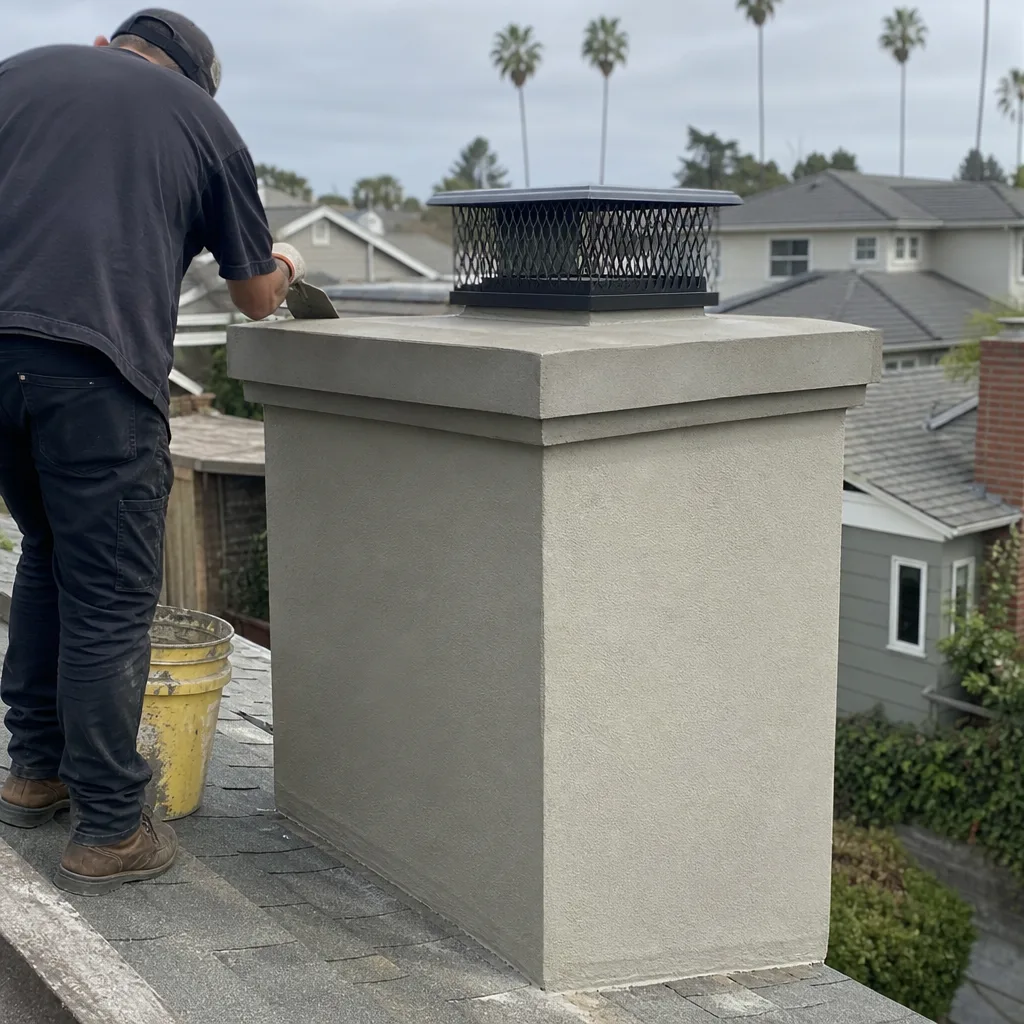
Level 1 sweep and inspection to the NFPA 211 annual standard - flue, crown, cap, and flashing checked and photographed
Chimney sweep logs do not sweep chimneys. They loosen some creosote - which then falls where a brush and vacuum still have to collect it.
Chimney Cleaning Permits, Codes & Inspections in CA: What You Need to Know
A chimney sweep who tells you “we don’t need a permit for this” while replacing a flue liner or rebuilding a firebox surround is either uninformed or hoping you are. In California, the threshold for required permits is lower than most contractors admit. The truth cuts both ways: routine chimney sweeping and visual inspections almost never require a permit, but structural repairs, liner replacements, and masonry rebuilds frequently do. Misunderstanding that line can void a homeowner’s insurance claim after a fire. This guide walks through exactly where that line sits in California code, what Downtown San Diego inspectors actually look for, and how to protect yourself before work begins. For related reading, see our Chimney Sweep Troubleshooting: Common Problems and How to Fix Them.
Styles & brands we work with
- Sweep & inspection
- Caps & crowns
- Flue relining
- Masonry repair
- Gas fireplace service
Quick Answer
Routine chimney cleaning and CSIA Level 1 inspections do not require a permit anywhere in California. However, flue liner replacement, firebox rebuilds, crown reconstruction, and any structural alteration generally require a building permit under California Building Code Chapter 10, with Downtown San Diego enforcing these thresholds through the City’s Development Services Department. Permitted chimney work requires a rough inspection before concealment and a final inspection after completion.
Table of Contents
- What Requires a Permit vs. What Doesn’t
- California Building Code: The Sections That Govern Chimneys
- NFPA 211 and Why It Matters in California
- San Diego-Specific Permit Thresholds and Process
- CSIA Inspection Levels and California Code Compliance
- Unpermitted Chimney Work and Your Insurance Claim
- The Correct Sequence for Permitted Chimney Repair in San Diego
- Common Mistakes to Avoid
- When to Call a Professional
- Frequently Asked Questions
- The Bottom Line
What Requires a Permit vs. What Doesn’t
Here’s the distinction most homeowners never hear stated plainly. Cleaning the inside of a flue with brushes, rods, and a vacuum is maintenance. It doesn’t change the chimney’s structure, materials, or fire-resistance rating, so no California jurisdiction requires a permit for it. The same goes for a visual inspection, whether it’s a basic Level 1 check or a deeper Level 2 camera scan. No permit, no filing, no inspection record.
But the moment work involves removing, replacing, or altering any component that contributes to the chimney’s structural integrity or fire containment, the permit question changes. Specifically:
- Flue liner replacement or relining: Installing a stainless steel liner system like DuraFlex or applying a HeatShield resurfacing coating changes the flue’s material composition and fire-clearance characteristics. This is an alteration under code, not maintenance.
- Firebox rebuild or refractory panel replacement: The firebox is part of the chimney’s load-bearing masonry assembly in most older Downtown San Diego homes. Rebuilding it alters the structure.
- Crown reconstruction: Tearing off and repouring a damaged concrete crown is structural work, even though it sits at the top of the chimney.
- Masonry repair beyond repointing: Tuckpointing a few deteriorated mortar joints is maintenance. Rebuilding a section of brick, replacing a chimney breast, or altering a masonry wall is not.
- Chimney removal or height alteration: Taking a chimney down below the roofline or adding height changes the structure’s profile and requires review.
In our experience working on chimneys throughout Downtown San Diego, many homes built before 1980 have unlined or clay-tile-lined flues that now fail inspection. When a homeowner calls us for a chimney sweep in Downtown San Diego and we find a cracked clay liner, the repair path almost always crosses into permit territory. We tell the homeowner that plainly, before any work is scheduled.
California Building Code: The Sections That Govern Chimneys
California adopts the International Building Code with state-specific amendments, and chimney requirements live in Chapter 10 of the California Building Code (CBC). The relevant sections are specific enough to be worth knowing by number, because they’re what a San Diego plan reviewer will cite when approving or denying a permit application.
CBC Section 1001.2 defines the scope of chimney and fireplace construction, including alteration. It explicitly states that existing chimneys being modified must comply with the code requirements for new construction, unless the alteration is limited enough to fall under an exception. This is the section that catches homeowners off guard: a repair that seems minor can trigger full compliance with current seismic bracing and clearance requirements.
CBC Section 1001.4 addresses existing chimneys and the standards for evaluating them. When a chimney is damaged, the code requires that the damage be assessed against the original construction standard and current safety requirements, not just patched over. This is why a reputable contractor will recommend a Level 2 inspection before quoting any structural repair.
CBC Chapter 10, Section 1003 covers masonry chimney construction, including footing requirements, wall thickness, and flue lining specifications. Any work that alters a masonry chimney’s structure must demonstrate compliance with these sections, which means the permit application needs drawings or specifications showing the existing conditions and the proposed alteration.
CBC Section 1004 governs factory-built chimneys and their listed installation requirements. If you’re replacing a factory-built fireplace or installing a new metal chimney system, that work must follow the manufacturer’s installation instructions as adopted by the code, and a permit is almost always required.
The key takeaway: California treats chimney repair as a building code issue, not a maintenance issue, once the work goes beyond cleaning and minor cosmetic repair. The building official has the authority to require a permit for any work they determine affects life safety, and chimney fires are explicitly recognized as a life safety hazard in the code’s own commentary.
NFPA 211 and Why It Matters in California
NFPA 211 is the National Fire Protection Association standard for chimneys, fireplaces, vents, and solid fuel-burning appliances. California adopts NFPA 211 by reference in both the California Building Code and the California Mechanical Code, which means its requirements carry the force of law, not just best practice.
NFPA 211 is the standard that defines the three inspection levels chimney professionals use, and it’s also the standard that establishes clearance-to-combustibles requirements, flue sizing rules, and the conditions under which a chimney should be taken out of service. When a Downtown San Diego home has a chimney fire, the insurance investigator will evaluate the chimney against NFPA 211 specifically. If the chimney was altered or repaired in a way that doesn’t meet the standard, that’s a finding against the claim.
One detail homeowners frequently miss: NFPA 211 requires that chimneys be inspected at least once a year for solid fuel appliances, and that the inspection include verification that the flue is free of creosote accumulations that could fuel a chimney fire. Learn to spot trouble early with our Chimney Cleaning Warning Signs: A Downtown San Diego Homeowner’s Reference Guide. This annual inspection requirement is separate from cleaning. A chimney can be clean but still fail inspection because the flue liner has separated at a joint, the crown is allowing water into the masonry, or the clearance to combustibles has been compromised by a previous remodel.
We stock and install professional-grade chimney components including Gelco caps and Copperfield chase covers, and we use those materials specifically because they meet the dimensional and material requirements NFPA 211 sets out. A cheap aftermarket cap that doesn’t fit properly isn’t just an annoyance; it’s a code compliance issue waiting to be flagged at the next inspection.
San Diego-Specific Permit Thresholds and Process
Downtown San Diego’s housing stock creates a specific set of chimney conditions. The neighborhood’s older buildings, from Victorian-era homes in the Gaslamp Quarter to mid-century bungalows in Sherman Heights, often have chimneys that predate current seismic and clearance standards. The City of San Diego’s Development Services Department reviews chimney permits under the same chapter of the California Building Code discussed above, but the practical thresholds are worth knowing.
When San Diego requires a building permit for chimney work:
- Installing or replacing a flue liner, including stainless steel systems and resurfacing coatings
- Rebuilding a firebox, smoke chamber, or damper assembly
- Reconstructing a chimney crown or replacing more than 50% of the masonry above the roofline
- Altering the chimney’s height, footprint, or structural connection to the building
- Adding or replacing a factory-built fireplace or chimney system
- Any repair that requires the removal of structural masonry from the chimney
What doesn’t require a San Diego permit:
- Chimney sweeping and creosote removal
- CSIA Level 1 and Level 2 inspections
- Repointing deteriorated mortar joints, provided the repair doesn’t alter the structure
- Replacing a chimney cap with a like-for-like component, when no flue alteration occurs
- Installing a chimney balloon or other removable draft stop
San Diego’s plan review process is faster than many homeowners expect for straightforward liner replacements and crown rebuilds, but it’s not same-day. Budget two to four weeks for plan review and permit issuance on a typical residential chimney repair, and more if the property is historically designated. Downtown San Diego has several historic districts, and any exterior-visible chimney alteration on a designated structure may need additional review from the City’s Historical Resources Board. This is true for homes in areas like Bankers Hill and parts of Cortez Hill.
CSIA Inspection Levels and California Code Compliance
The Chimney Safety Institute of America defines three inspection levels, and understanding them helps homeowners know exactly what they’re getting when a chimney professional evaluates their home. These inspection levels are incorporated into NFPA 211, which California adopts by reference, so they’re not merely industry suggestions.
Level 1 Inspection: A visual inspection of the readily accessible portions of the chimney exterior and interior, including the accessible portions of the appliance and chimney connection. No special tools are used, and the inspection is limited to what can be seen without opening any part of the structure. This is the appropriate level for a chimney that’s been regularly maintained and hasn’t changed use. For routine annual maintenance for a dryer vent inspection in Downtown San Diego or chimney check, Level 1 is standard.
Level 2 Inspection: Everything in a Level 1, plus access to attic, crawlspace, and roof areas. A Level 2 typically includes a video camera scan of the flue interior. California law requires a Level 2 inspection, at minimum, during a real estate transaction. If you’re buying or selling a home anywhere in the state, the seller’s disclosure process and most purchase contracts will require a Level 2 chimney inspection unless the buyer waives it in writing. A Level 2 is also required if a chimney fire has occurred, if the property has changed ownership, or if an earthquake or weather event may have damaged the chimney.
Level 3 Inspection: A Level 2 inspection plus the removal of building components such as drywall, masonry, or framing to access concealed areas. Level 3 inspections are reserved for cases where a Level 2 identifies a suspected issue that requires destructive access to verify. If a Level 3 is recommended, it’s usually because the chimney has sustained visible damage or the home is being remodeled and the chimney’s condition needs to be confirmed before concealed work proceeds.
We’ve seen Downtown San Diego homes where a Level 2 camera scan revealed a cracked clay liner behind intact masonry, invisible from the exterior. Without that scan, the homeowner would have signed closing papers with a latent fire hazard inside the chimney chase. That’s the difference between inspection levels in practical terms.
Unpermitted Chimney Work and Your Insurance Claim
Homeowners insurance policies in California typically exclude coverage for damage caused by faulty workmanship or construction defects, but the deeper issue with unpermitted chimney work is subtler. When a fire investigator determines that a chimney fire originated in or spread through a flue that was altered without a permit, the insurer has a legal basis to deny the claim on the grounds that the work was not performed to code, regardless of whether the work itself caused the fire.
Here’s how it plays out. A homeowner has a stainless steel liner installed without pulling a permit. Years later, a chimney fire occurs. The insurance company sends an investigator. The investigator notes the liner. They check the City permit database. No permit exists. The denial letter states that the unpermitted alteration prevents the insurer from verifying that the work met code, and the policy requires the insured to maintain the structure in compliance with applicable building codes. The homeowner now bears the full cost of fire damage repair and chimney reconstruction, often five figures in Downtown San Diego where reconstruction costs run high due to labor and access constraints.
The California Insurance Code doesn’t specifically address unpermitted chimney work, but the standard HO-3 policy’s “Conditions” section includes a duty to maintain the insured property in a manner consistent with law. Unpermitted structural alteration is a violation of local building law. The insurer’s position is that the policy never intended to cover losses arising from illegal work.
The permit itself costs a few hundred dollars for a typical chimney repair in San Diego. The insurance exclusion it avoids can be worth a hundred times that. This is the single strongest argument for pulling a permit, and it’s the one homeowners rarely hear before the fire.
The Correct Sequence for Permitted Chimney Repair in San Diego
Here is the step-by-step sequence for permitted chimney repair work in Downtown San Diego, based on how the City’s Development Services Department processes residential chimney permits.
- Hire a contractor who will pull the permit. In San Diego, the property owner can pull an owner-builder permit, but a licensed contractor pulling the permit is standard for chimney work. The contractor’s license number will be listed on the permit, and the contractor carries the liability for code compliance.
- Obtain a Level 2 inspection before plans are drawn. The contractor needs to see the actual flue condition, crown condition, and firebox condition before specifying repair scope. A plan review based on assumptions will cause delays.
- Submit for plan review. The contractor or homeowner files an application with the Development Services Department, including the scope of work and, for larger repairs, drawings. A simple liner replacement typically requires only a written description and the existing conditions report. Plan review for chimney work is usually five to ten business days for simple permits.
- Pay permit fees. San Diego building permit fees for chimney repairs vary with the valuation of the work, but a typical liner replacement or crown rebuild permit lands in the $200-$600 range.
- Complete the work, but don’t conceal anything. For liner installations, the rough inspection must happen after the liner is in place but before any surrounding chase or surrounding masonry is closed up. The inspector verifies the liner’s clearance to combustibles, the termination height above the roofline, and the connection at the appliance.
- Schedule the final inspection. After the chimney is reassembled and operational, the inspector verifies the final condition, including the crown, cap, and any visible masonry repair. Once the final inspection passes, the permit is signed off and becomes a permanent record with the City.
The entire process, from initial inspection to final sign-off, typically takes three to six weeks for a straightforward liner replacement in Downtown San Diego. Homeowners can call the City’s Development Services Department at any point to check the status of their permit.
One note from our experience: San Diego inspectors focus heavily on termination height and clearance to combustibles during the rough inspection. A liner that terminates too low or sits too close to a combustible soffit will fail inspection. We use Olympia Chimney termination components specifically because they meet the height and spark arrestor requirements inspectors look for, which reduces the chance of a failed inspection.
Common Mistakes to Avoid
- Believing a sweep replaces an inspection. Sweeping removes creosote; it doesn’t verify the flue liner’s condition, crown integrity, or clearance to combustibles. A clean chimney can still be a fire hazard. Schedule an inspection, not just a cleaning.
- Accepting “we don’t need a permit” without asking why. If a contractor dismisses the permit question when flue liner replacement or firebox work is being proposed, ask them to cite the specific code section that exempts the work. If they can’t, get a second opinion from a contractor with a chimney repair practice in Downtown San Diego.
- Skipping the Level 2 camera scan during escrow. A standard home inspection rarely includes a flue camera scan. In older Downtown San Diego homes, cracked clay liners behind intact masonry are common. The cost of a Level 2 inspection is trivial compared to a post-closing liner replacement.
- Patching a crown with sealant instead of rebuilding it. Sealant doesn’t fix underlying crown failure. It traps moisture and accelerates brick spalling. A proper crown rebuild under a permit is the long-term fix, and it’s usually less expensive than the masonry repair that results from years of patching.
- Ignoring the historic district overlay. If you own a home in a Downtown San Diego historic district and your chimney is visible from the street, exterior alterations like a height change or a different cap profile may need Historical Resources Board approval beyond the standard building permit.
- Filing an insurance claim without permit records. If your chimney has been repaired or altered and you can’t produce a permit, you’re leaving your insurer an opening to deny a future chimney-related claim. Keep the permit and final inspection records with your home documents, and consider pulling a retroactive permit if work was done without one.
- Hiring a sweep-only company for structural work. A company that only cleans chimneys doesn’t carry the materials, insurance, or installation expertise for liner systems and masonry rebuilds. When we install a DuraFlex liner or HeatShield coating, we’re pulling the permit, scheduling the inspection, and standing behind the work under the same roof that performed the original diagnosis.
When to Call a Professional
You should pick up the phone when a chimney issue moves from routine to structural. If a home inspector flags a cracked crown, deteriorated mortar, or a flue liner that fails a camera scan, don’t wait. These conditions worsen with every burning season, and the repair path often requires a permit and inspection that a professional should manage. If you smell smoke in the house when the fireplace isn’t in use, if you see water staining on the ceiling near the chimney chase, or if a chimney fire has occurred even once, the chimney needs a Level 2 or Level 3 evaluation before the next fire is lit. Hometown Chimney Sweep offers free estimates in Downtown San Diego. Call (866) 670-3503 and we’ll schedule an inspection and talk through exactly what your chimney needs, including whether a permit is required.
Frequently Asked Questions
No. Chimney sweeping, creosote removal, and visual inspections do not require a permit anywhere in California, including Downtown San Diego. A permit becomes necessary only when the work involves structural alteration, flue liner replacement, firebox rebuild, or other changes to the chimney’s construction.
There is no permit cost for chimney cleaning, because no permit is required for cleaning alone. If your chimney work does require a permit, such as for a liner replacement or crown rebuild, San Diego permit fees typically fall between $200 and $600 depending on the valuation of the work. Call (866) 670-3503 for an exact quote on your chimney repair, including permit costs.
Yes, in nearly all cases. Flue liner replacement changes the chimney’s fire-resistance characteristics and is treated as an alteration under California Building Code Chapter 10. San Diego’s Development Services Department requires a building permit for stainless steel liner installation, HeatShield resurfacing, or any other flue relining method.
The National Fire Protection Association recommends cleaning a chimney whenever there is 1/8 inch or more of creosote accumulation, and annual inspection regardless of cleaning frequency. Most Downtown San Diego homes that burn wood regularly need a sweep once per year, while occasional-use fireplaces may need cleaning every two to three years.
A Level 2 inspection includes everything from a Level 1 (visual inspection of accessible areas) plus access to attic, crawlspace, and roof areas, and typically includes a video camera scan of the flue interior. California law requires a Level 2 inspection at minimum during real estate transactions.
Yes, contractors regularly pull permits for chimney repair work in Downtown San Diego, and the contractor’s license number is recorded on the permit. Homeowners can also pull an owner-builder permit, but the contractor-pulled permit is standard for most residential chimney repairs.
The Bottom Line
Chimney cleaning in California doesn’t need a permit, but the moment the conversation turns to liner replacement, crown rebuild, or firebox work, the rules change. California Building Code Chapter 10 governs the threshold, NFPA 211 sets the inspection and clearance standards, and Downtown San Diego enforces these requirements through the Development Services Department. Unpermitted structural chimney work puts your insurance coverage at risk in a way that few homeowners understand until a fire occurs. The safest path is straightforward: get a Level 2 inspection before any repair is quoted, use a contractor who stocks professional-grade materials like DuraFlex and HeatShield, and make sure every structural repair carries a permit. From the first sweep to the finished repair, one crew, one call. Hometown Chimney Sweep handles the full arc so you don’t need a second opinion or a second company.
Written by the team at Hometown Chimney Sweep, serving Downtown San Diego since 2015. Browse more guides & resources.
See the difference
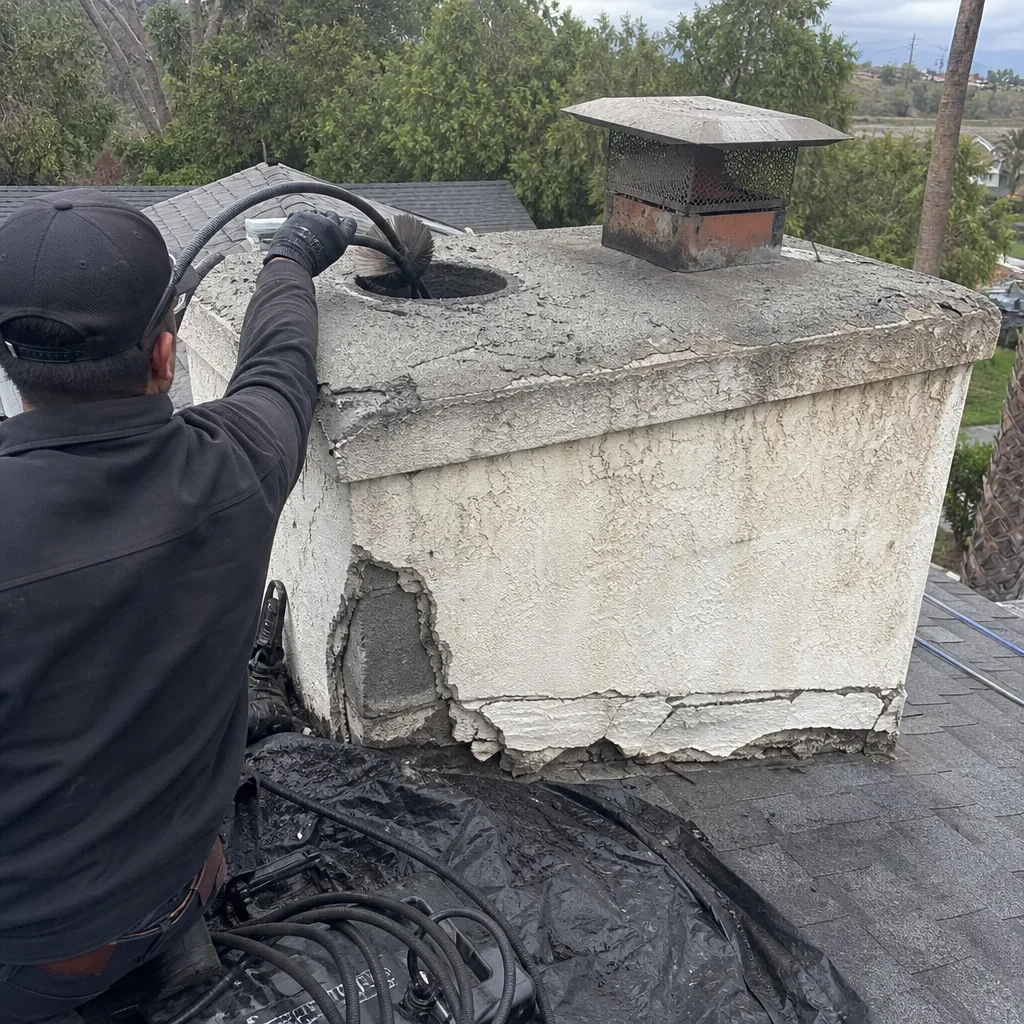 Before
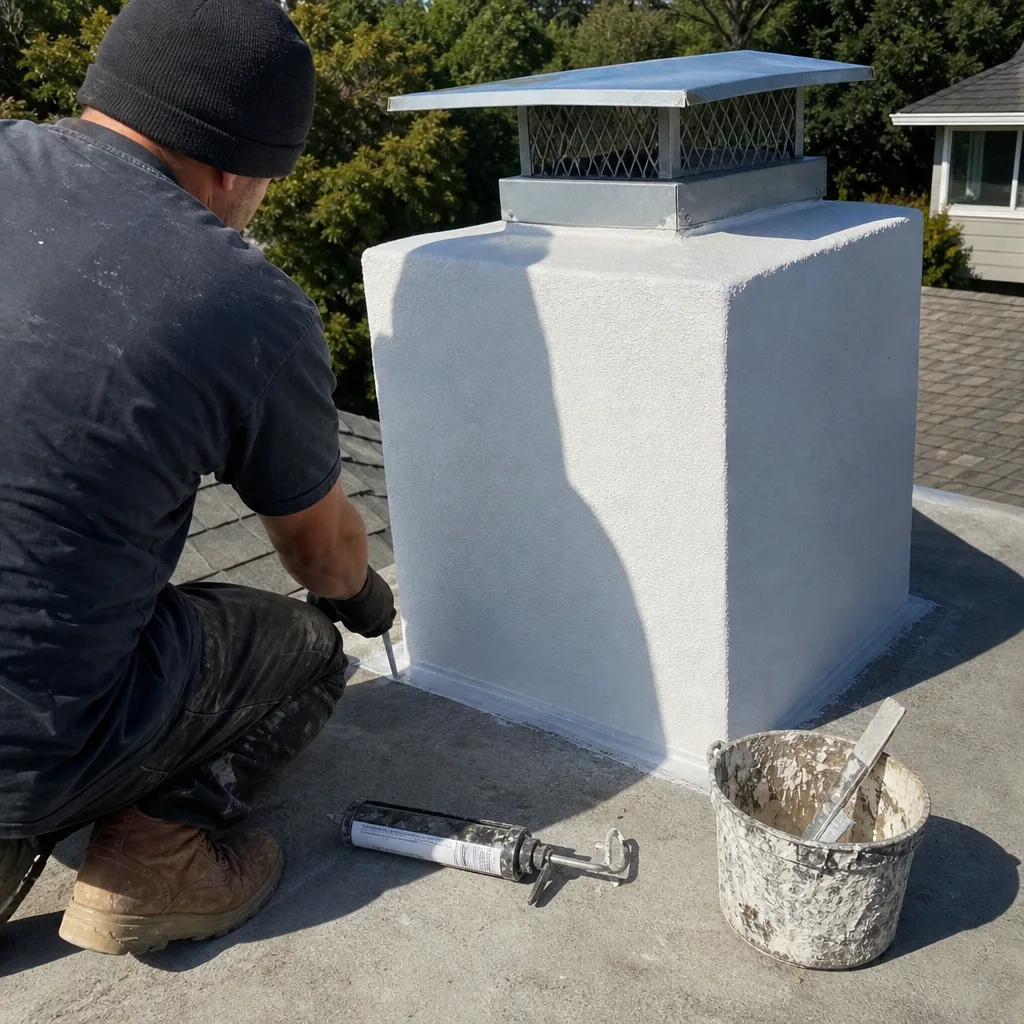 After
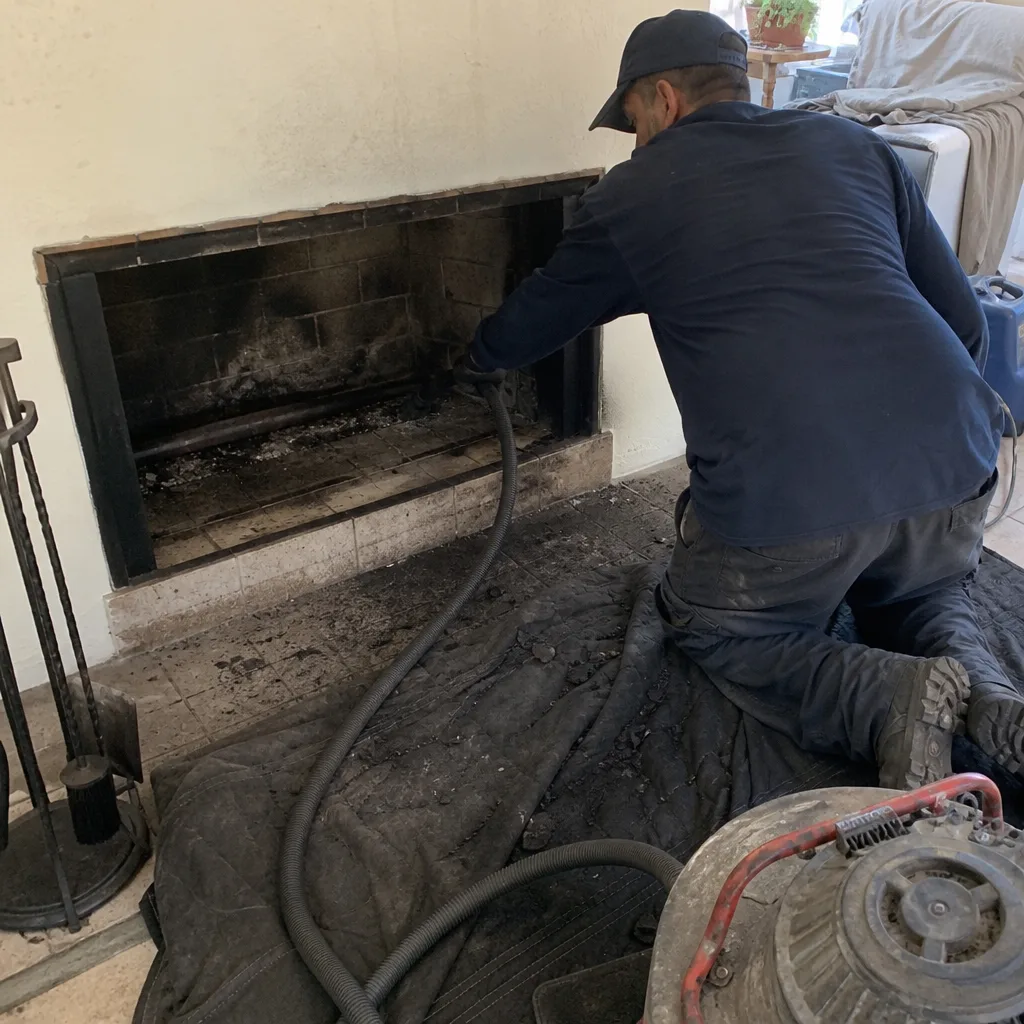 Before
 After
 Before
 After