
Last updated November 2, 2026
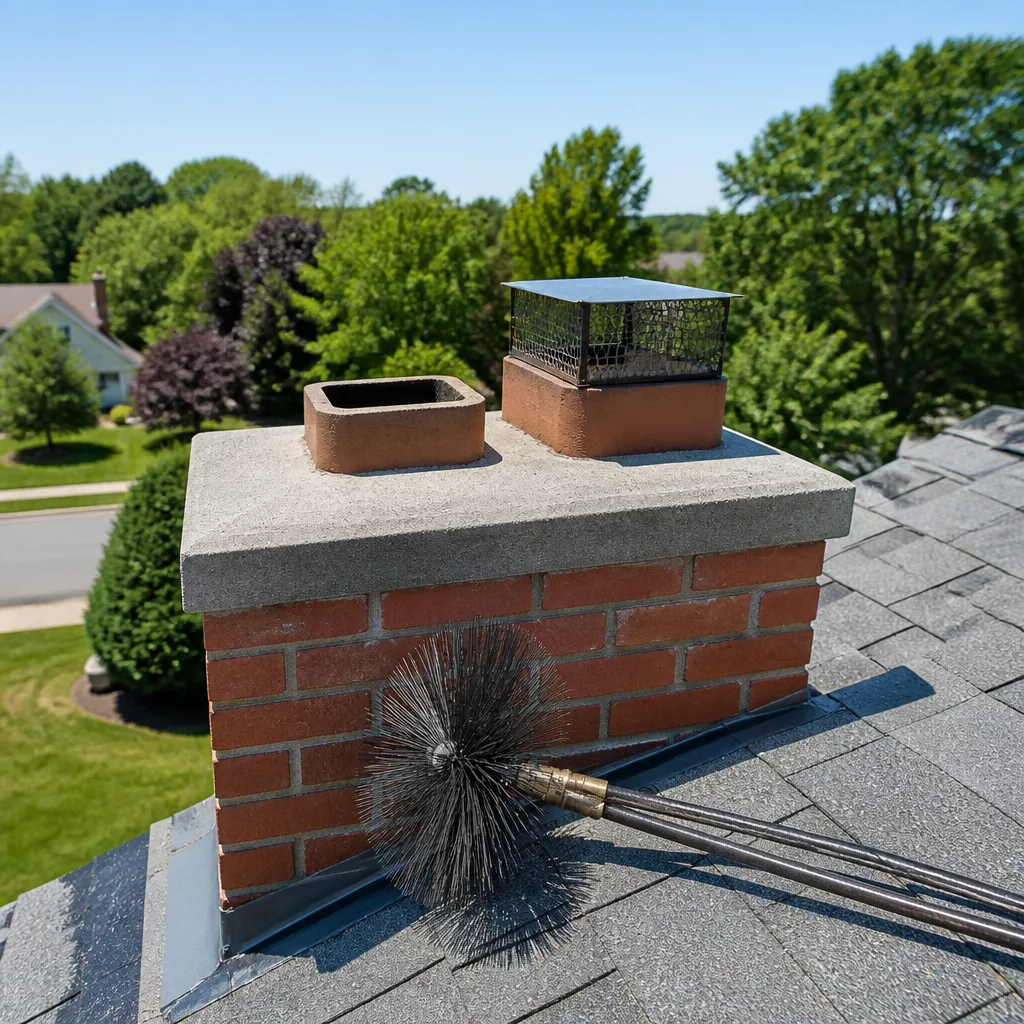 Sweep & inspection
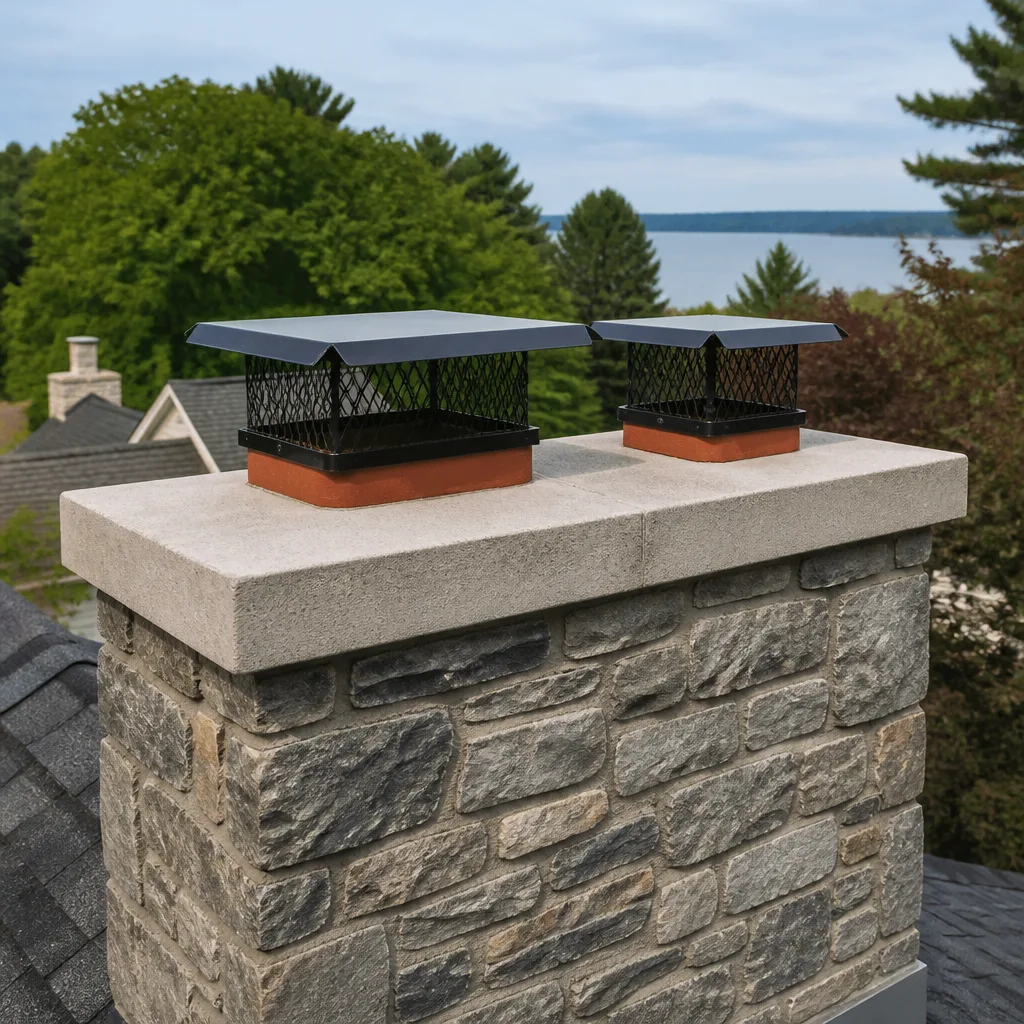 Caps & crowns
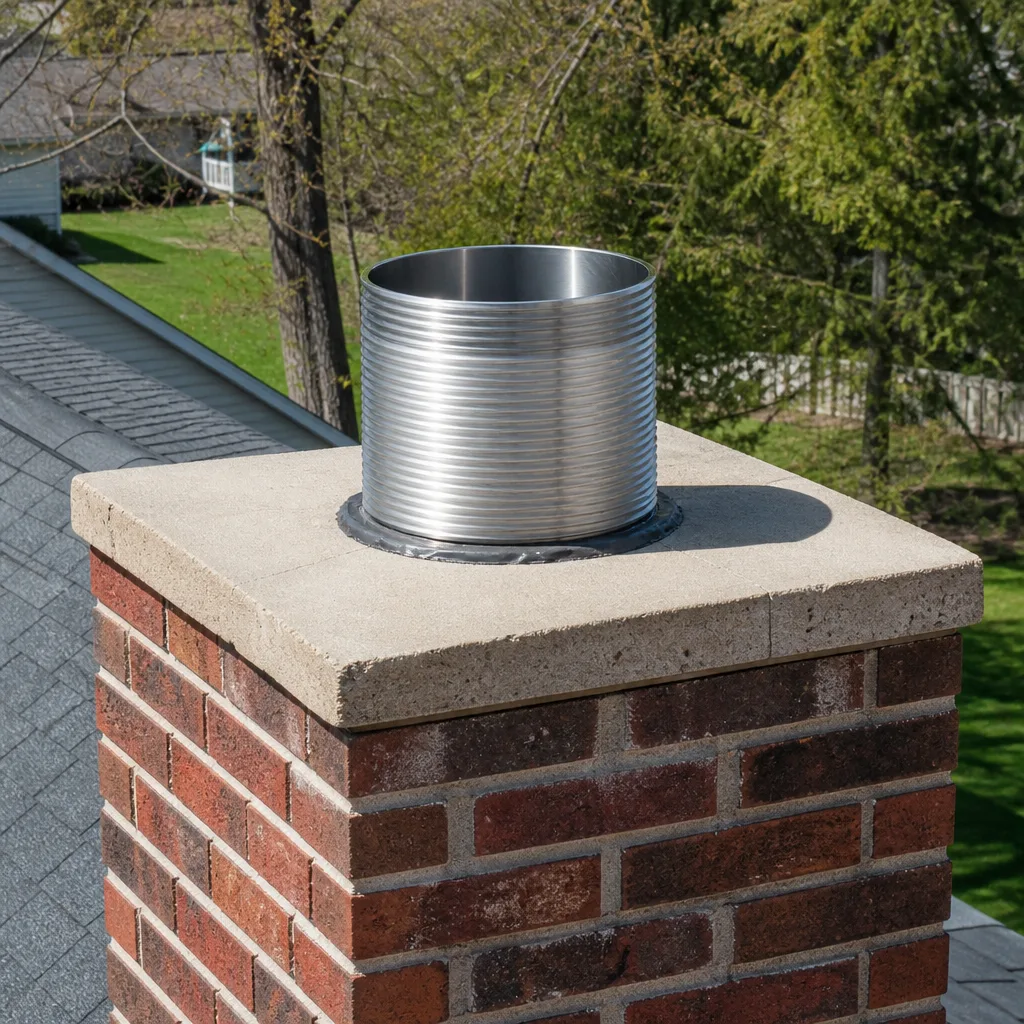 Flue relining
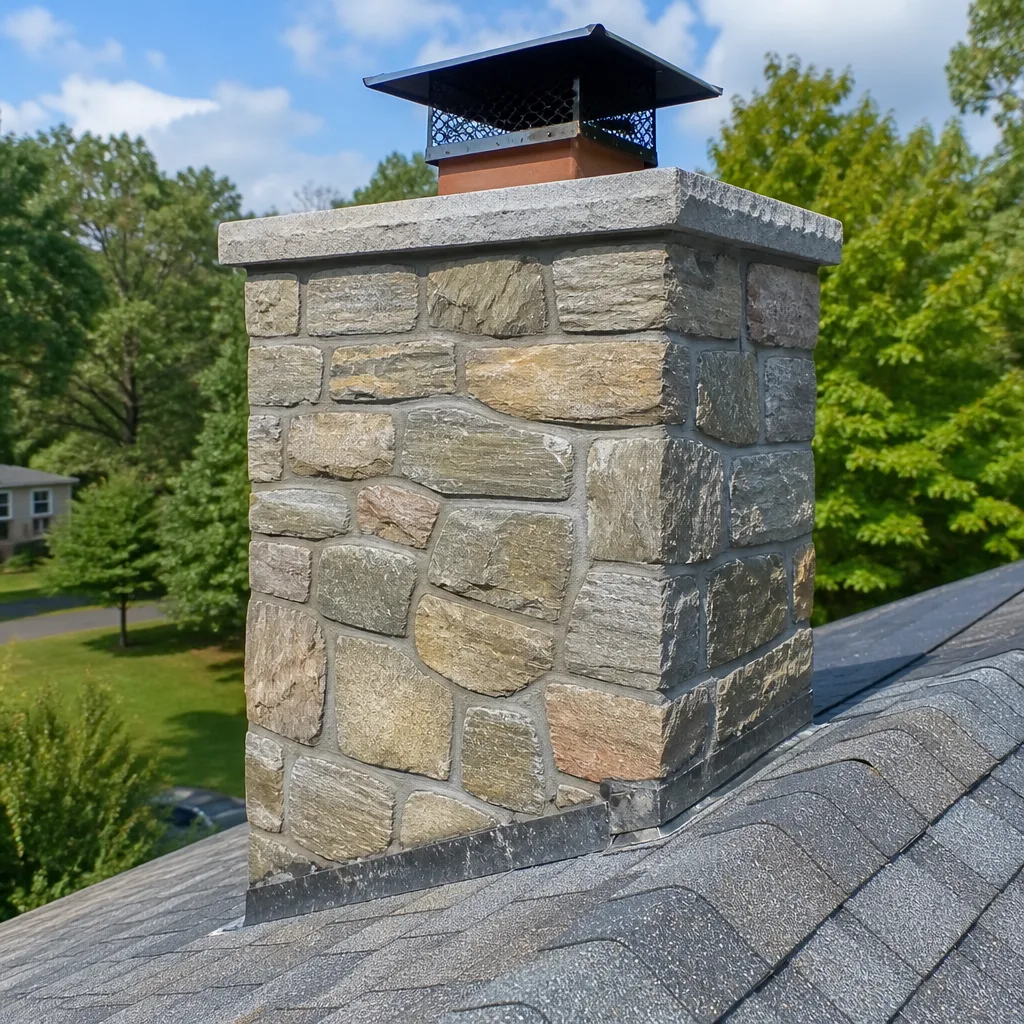 Masonry repair
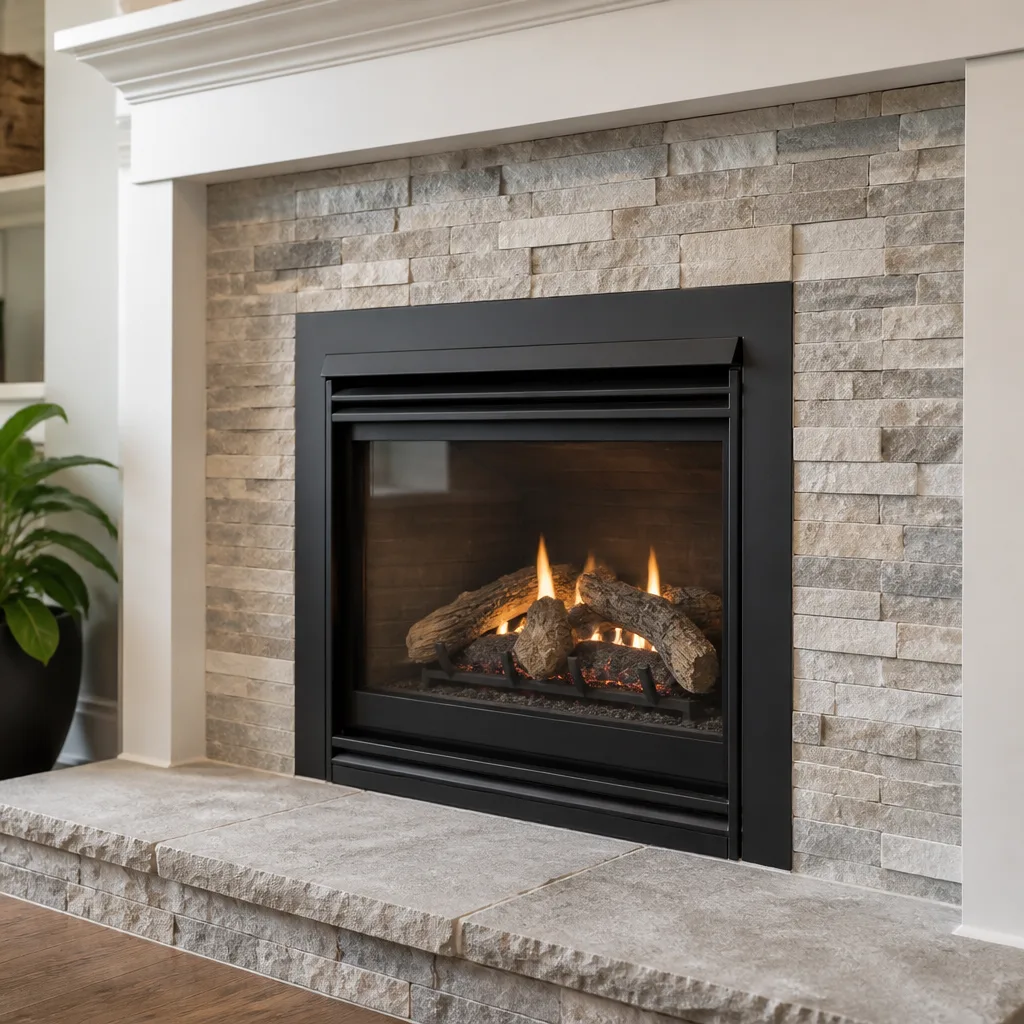 Gas fireplace service
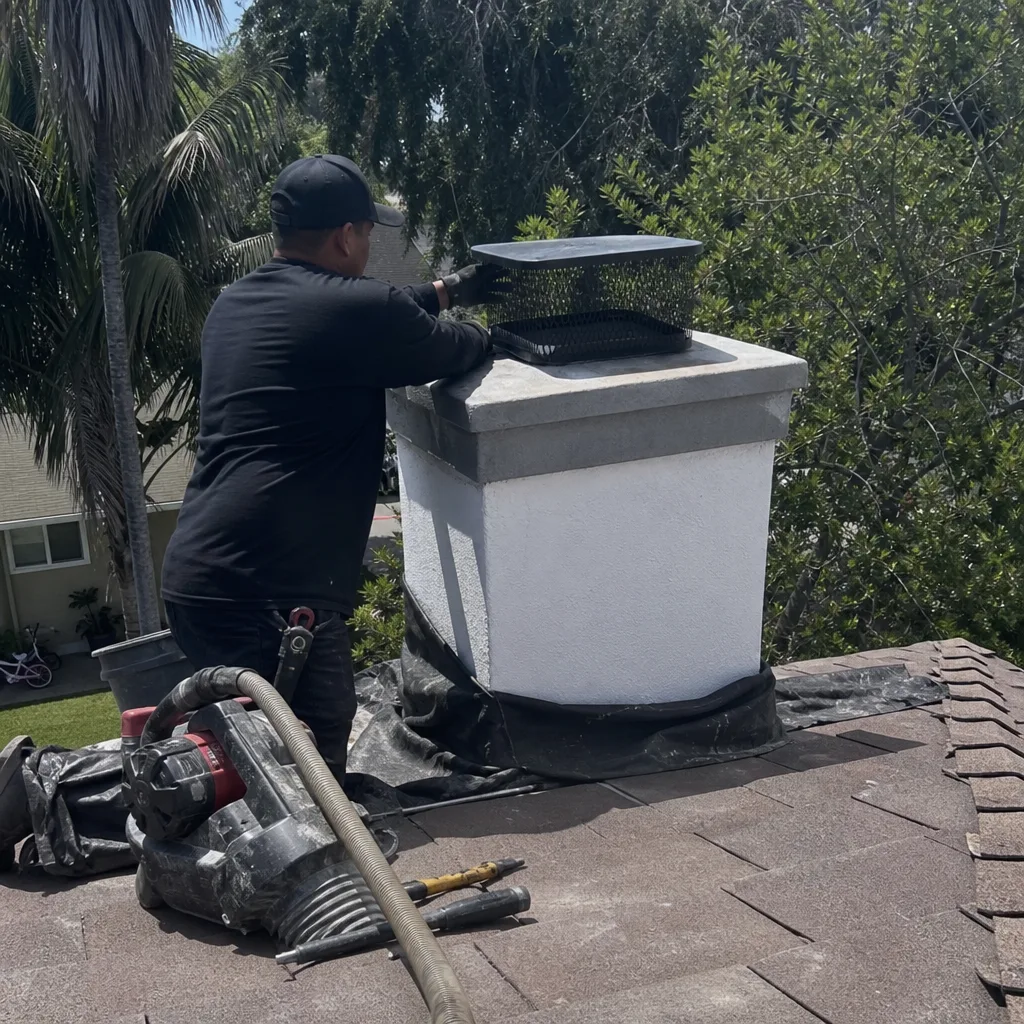
Level 1 sweep and inspection to the NFPA 211 annual standard - flue, crown, cap, and flashing checked and photographed
Chimney sweep logs do not sweep chimneys. They loosen some creosote - which then falls where a brush and vacuum still have to collect it.
Choosing the Right Chimney Cleaning Brand: A Buyer’s Guide for Downtown San Diego
Ask your chimney sweep what crown coating they use. If they say “a good one” or can’t name the product, you’re looking at a contractor who buys whatever’s cheapest at the supply house, and your chimney is the test subject. Most homeowners in Downtown San Diego vet a sweep by their Yelp rating or their truck’s paint job. Almost nobody asks the questions that actually predict whether the work will hold up: which liner system they stock, what sealant goes on your crown, which damper hardware they install. That’s backwards. A chimney is a combustion exhaust system running through the middle of your home. The materials in it matter more than the logo on the invoice. Our Complete Chimney Sweep Guide for Downtown San Diego Homeowners walks you through the product lines that separate a technically serious chimney company from a guy with a brush and a tailgate warranty.
Styles & brands we work with
- Sweep & inspection
- Caps & crowns
- Flue relining
- Masonry repair
- Gas fireplace service
Quick Answer
The right chimney cleaning company in Downtown San Diego is one that specifies professional-grade products by name: HeatShield for flue restoration, CrownCoat or a comparable elastomeric for crown sealing, and Lyemance or Lock-Top top-mount dampers for coastal durability. A sweep who can’t name their materials is buying generics, and generics fail faster in salt air. Ask three product questions before hiring: what crown sealant they use, what liner they’d specify for your application, and what damper hardware they recommend.
Table of Contents
- Why Chimney Product Brands Matter More Than You Think
- Flue Restoration: HeatShield vs. Generic Parging
- Crown Sealants: CrownCoat vs. the Bucket at the Big Box Store
- Chimney Brushes: Why the Right Tool Prevents Flue Damage
- Damper Hardware: Lyemance and Lock-Top vs. Cast Iron Throat Dampers
- Liner Systems Decoded: Flex-All, HeatFab, and Rigid Aluminum
- The Three Product Questions to Ask Any Sweep Before Hiring
- Common Mistakes to Avoid
- When to Call a Professional
- Frequently Asked Questions
- The Bottom Line
Why Chimney Product Brands Matter More Than You Think
Chimney cleaning looks like a commodity from the outside. A brush goes up, soot comes down, invoice gets paid. But the difference between a $179 sweep and a $289 sweep in Downtown San Diego isn’t marketing. It’s what gets inspected, what gets flagged, and what materials land on your roof if a fix is needed. The chimney industry has a quiet split running through it. On one side you have sweeps who carry a handful of generic brushes and a tube of whatever caulk was on sale. On the other side you have companies that stock and install Hometown Chimney Sweep home level professional-grade product lines like HeatShield, DuraFlex, and Copperfield components. The second group costs more per visit and saves you money every single time a repair actually happens. Here’s why: generics fail. A generic crown sealant in coastal air can crack within two or three years. HeatShield restoration applied correctly is engineered to bond to the existing flue and survive decades of thermal cycling. The material is the margin. When we talk about “choosing a chimney cleaning brand,” what we’re really talking about is choosing a contractor who chooses better materials. Because the contractor’s brand name doesn’t go onto your chimney. Their products do.
What Professional-Grade Means in Practice
In the chimney trade, professional-grade doesn’t mean “more expensive because it says professional on the label.” It means the product is designed for the specific thermal, chemical, and environmental conditions inside a working flue. Big-box alternatives are almost always general-purpose products repurposed for chimney use. A tube of silicone caulk from the hardware store is not a chimney crown sealant. It wasn’t designed to handle UV exposure on a roof, thermal expansion of a masonry crown, or the acidic condensate that runs off a gas flue. That’s the distinction that matters. When a sweep names DuraFlex, HeatShield, or Copperfield, they’re telling you they specify products engineered for this exact application, not whatever was on the shelf at the depot. In Downtown San Diego, with its marine layer, salt haze, and winter temperature swings, that engineering gap shows up as premature cracks, rusted dampers, and liners that need redoing years before they should. Ask about brands not because the name matters, but because the engineering behind the name is the only thing protecting your flue from San Diego’s specific failure patterns.
Flue Restoration: HeatShield vs. Generic Parging
HeatShield Cerfractory is the dominant name in flue restoration, and for good reason. It’s a cerfractory material, a hybrid of ceramic and refractory cement, that gets applied to the interior of a damaged flue to restore structural integrity and seal gaps. A proper HeatShield application can extend the life of a flue by 15 to 25 years in many cases, at a fraction of the cost of a full liner replacement. Generic parging, or thinned refractory cement slapped onto flue walls, is the cheap alternative. It cracks under thermal cycling, separates from the tile surface, and needs redoing within a few seasons. We have seen flues in Downtown San Diego where a previous contractor’s generic parge job had flaked off in sheets after two winters. The difference isn’t the applicator’s skill alone. It’s the product chemistry. HeatShield is designed with an expansion coefficient matched to flue tile and a bonding process that survives repeated heating and cooling. Generic parging is cement. Cement and thermal cycling are enemies.
When Flue Restoration Is the Right Call
- Minor cracking in clay tile liners: Hairline cracks that haven’t caused structural shifting are a textbook HeatShield candidate. The cerfractory seals the cracks and prevents flue gases from escaping into the chimney chase.
- Gaps between flue tiles: Older masonry chimneys in San Diego often have mortar joints that have degraded between tiles. HeatShield can fill those gaps without a full rebuild.
- Pre-listing home inspections: If a home inspector flags the flue, HeatShield is typically the most economical compliant fix compared to a full stainless liner replacement.
- Gas conversion applications: Older masonry chimneys being converted to gas often need a sealing solution before the install. HeatShield is a common specification.
The takeaway for Downtown San Diego homeowners: if your sweep recommends “repointing” or “parging” without naming a specific product system, ask why. If the answer doesn’t include HeatShield or an equivalent cerfractory material with a documented thermal cycling performance record, get a second opinion. Restoration is only as good as the material specified.
Crown Sealants: CrownCoat vs. the Bucket at the Big Box Store
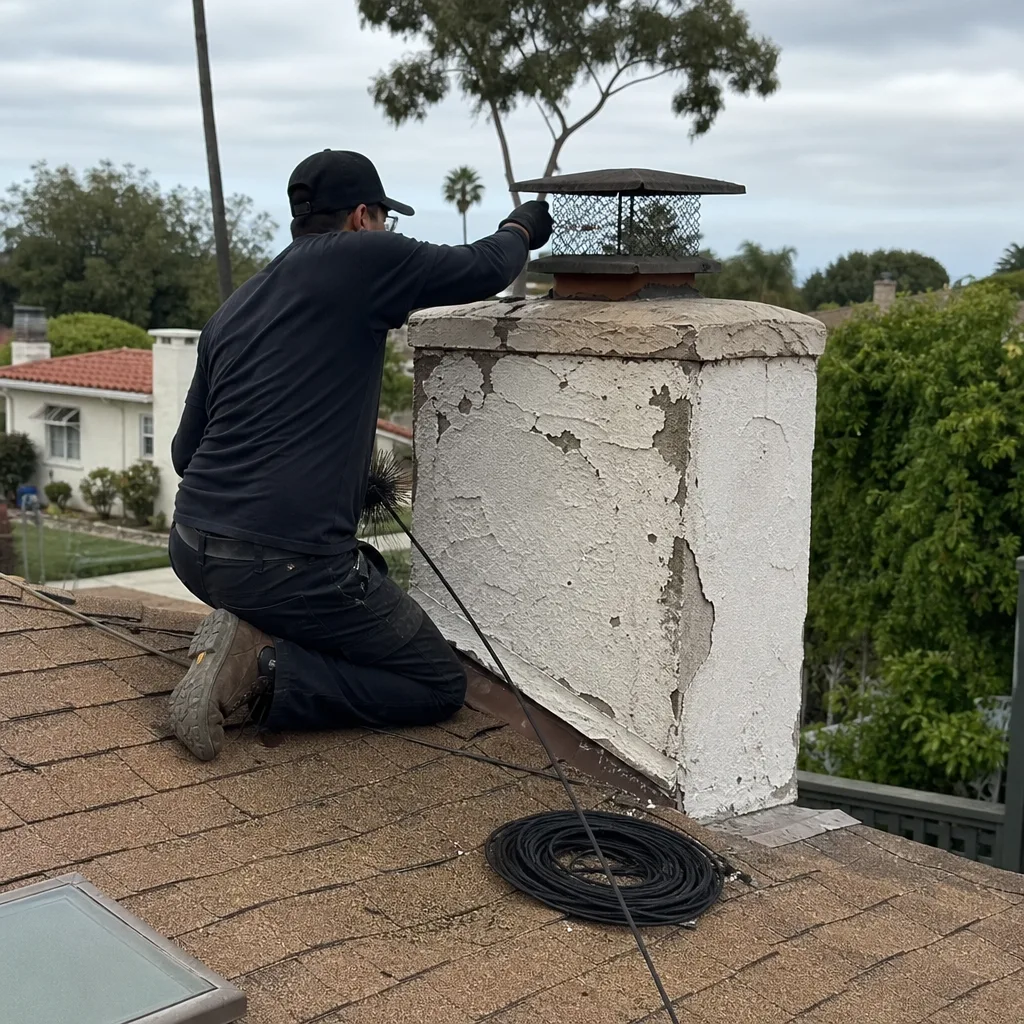
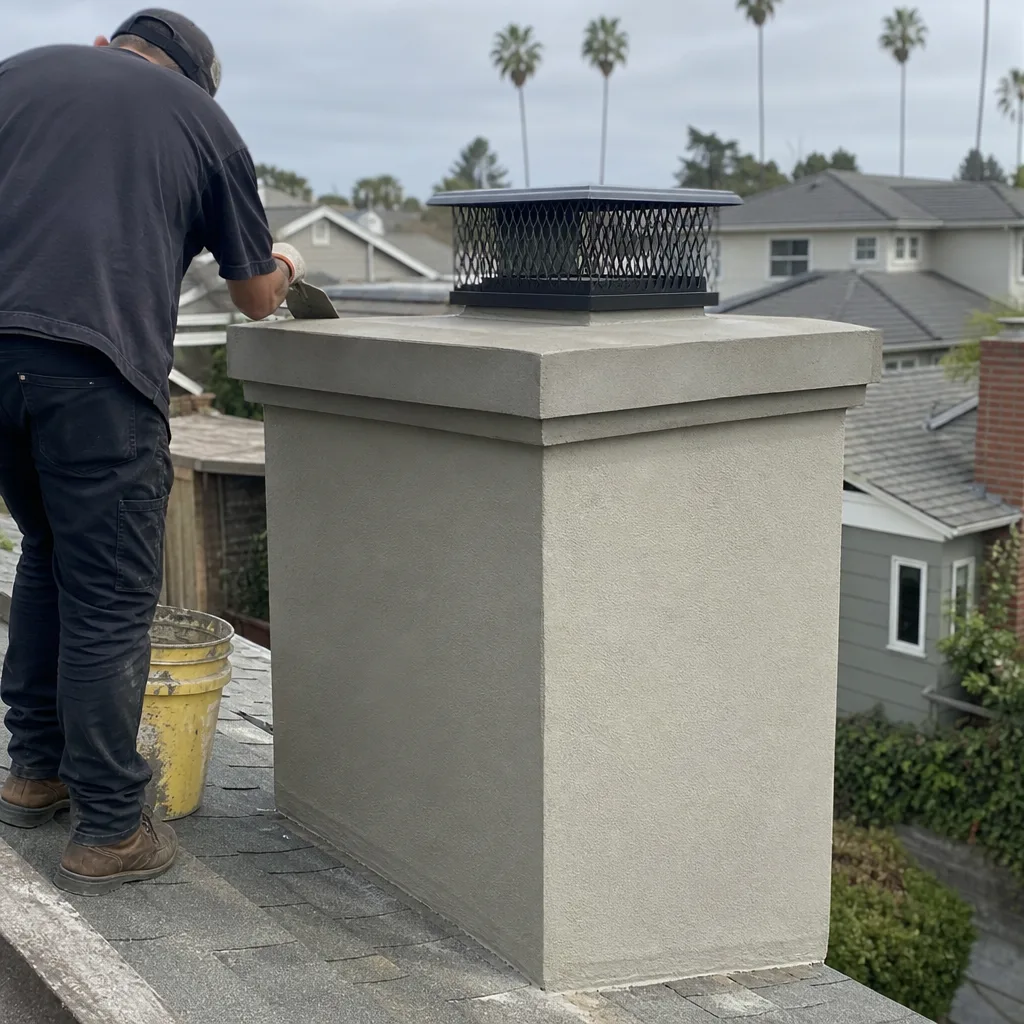
The chimney crown is the concrete slab at the top of the chimney that sheds water away from the flue. It takes relentless abuse: UV exposure, rain, marine layer moisture, and thermal expansion cycles every time you fire up. In Downtown San Diego, the salt-in-the-air problem accelerates deterioration. A cracked crown lets water migrate into the masonry, and that’s the slow death spiral of every chimney. The sealant your sweep uses on the crown is among the most important product decisions in the entire service. Saver Systems CrownCoat is the benchmark in the industry. It’s an elastomeric coating designed specifically for chimney crowns: it stretches and contracts with thermal movement, it’s UV-stable, and it bonds to concrete and masonry. Generic elastomeric sealants from the big-box store are not the same chemistry. They’re usually architectural coatings designed for walls or foundations, not a horizontal concrete cap that hits 140 degrees on an August afternoon and then gets hit with a cold marine layer at night. The generic stuff cracks, peels, and fails inside a couple of years. We’ve repaired crowns in Downtown San Diego where the previous sealant had degraded to the consistency of sunburned house paint in under 18 months. CrownCoat applications from a competent technician routinely last 10 to 15 years before they need recoating. Ask your sweep what crown sealant they use. If they can’t name it, assume it’s a generic and budget to redo it sooner.
How to Evaluate a Crown Sealant Recommendation
- Ask for the product name and manufacturer. A professional sweep names CrownCoat, ChimneySaver, or a comparable chimney-specific elastomeric. “Roof-grade sealant” or “it’s really good stuff” is a red flag.
- Ask about application prep. CrownCoat and its peers require surface cleaning and often a primer or bonding agent for optimal adhesion. If the preparation consists of “spray and walk away,” the material brand matters much less. The prep is half the lifespan.
- Ask about the expected service life in coastal conditions. In Downtown San Diego’s marine environment, a quality elastomeric crown sealant should last at least 8 to 12 years. If the answer is “oh, we’ll come back and redo it annually,” that’s a maintenance treadmill, not a solution.
Chimney Brushes: Why the Right Tool Prevents Flue Damage
Here’s a nuance that almost no consumer guide covers: the brush your sweep chooses can damage your flue. Chimney brushes come in two primary material types: polypropylene and wire. Polypropylene is the softer, safer option for masonry flues. Wire brushes, usually steel or hardened steel, are aggressive enough to score clay flue tiles. In San Diego, this matters more than in many markets because of our creosote profile. Wood burned in our coastal climate with its high humidity and frequent low-and-slow burns produces glazed creosote. This is the hardest, most stubborn creosote type, formed when creosote condenses, bakes on, and hardens into a glossy, carbonized layer. A wire brush on glazed creosote is like dragging a steel comb over glass. It scores and scratches the flue tile’s surface, creating micro-fractures that become water intrusion paths and weak points. The right approach for glazed creosote isn’t brute force. It’s chemical treatment, usually a creosote remover, followed by mechanical removal with a polypropylene brush or a rotary system. The brand of brush matters less than the material and the technique, but if you want a useful point of reference, Rutland manufactures quality polypropylene sweeps that are widely used by professionals. Generic big-box brushes are usually fine for light soot, but a qualified sweep in Downtown San Diego should be choosing brushes based on your flue profile, not whatever’s in the truck.
Polypropylene vs. Wire: The Quick Reference
- Polypropylene brushes: Safe for clay tile liners, stainless liners, and routine maintenance sweeps. The right default for most San Diego homes.
- Wire brushes: Occasionally appropriate for heavy unglazed creosote in unlined chimneys, but risky on clay tile. Scores the surface. Should never be the default choice in a tile-lined flue.
- Rotary systems: Power cleaning with poly or nylon heads is the most effective approach for glazed creosote. Ask if your sweep uses one. If they only clean by hand, they may struggle with the coast’s glazed profile.
Damper Hardware: Lyemance and Lock-Top vs. Cast Iron Throat Dampers
The damper is the least glamorous and most neglected component on most chimneys. It’s also where the coastal environment in Downtown San Diego does its most predictable damage. Traditional cast iron throat dampers, the kind installed at the top of the firebox and operated by a lever or handle, have a fatal flaw in salt air: they rust. They rust at the hinge, they rust at the plate edges, they rust until they warp, seize, or simply crumble. The average cast iron throat damper in a coastal environment lasts 15 to 25 years before it needs attention, and when it fails, it’s usually discovered in the middle of an inspection, not replaced proactively. The modern alternative is a top-mount damper. Lyemance and Lock-Top are the two brands that dominate this space. A top-mount damper installs at the top of the flue, replacing the chimney cap with a spring-loaded lid that seals from above. The mechanism is stainless steel and aluminum, meaning it won’t rust out in the marine layer. It seals far more tightly than a cast iron throat damper, which translates to less heated air escaping up the flue in winter and less conditioned air escaping in summer. That’s a measurable energy efficiency improvement. The tradeoff is that top-mount dampers are more expensive upfront, typically two to four times the cost of a replacement throat damper. But if you’re replacing the damper anyway in a coastal environment, the math should be straightforward: a Lyemance or Lock-Top top-mount will outlast a cast iron replacement by decades. We stock and install these brands specifically because we know what the salt air in Downtown San Diego does to inferior hardware. Ask your sweep about damper brands. If they only offer cast iron, they’re not keeping up with the coastal durability conversation.
Liner Systems Decoded: Flex-All, HeatFab, and Rigid Aluminum
Liner systems are where product knowledge separates the technically serious from the sweep-only crowd, and it’s easier than most consumers think to evaluate. The three categories you’ll hear about are Flex-All, HeatFab, and rigid aluminum. Flex-All is a flexible stainless steel liner system distributed through Olympia Chimney, one of the largest chimney supply companies in the country. It’s the workhorse liner for relining masonry chimneys that vent wood-burning appliances. HeatFab, also known as Saf-T Liner, is a heavier-gauge stainless flexible liner with a reputation for durability in high-temperature applications. Rigid aluminum liners are for gas appliances only, and are the most budget-friendly option, typically installed when venting a low-BTU gas insert or gas water heater through an existing masonry flue. In San Diego, the application determines the material. A wood-burning insert needs a stainless flex liner rated for high-temperature use, meaning Flex-All or HeatFab. A gas log set or gas insert with a modest BTU output can often use a rigid aluminum liner, which is cheaper and easier to install. The problem is when a contractor specs the wrong liner for the application, usually because they have one type on the truck. Aluminum on a wood-burning insert is a code violation and a fire hazard. Stainless on a low-BTU gas application is overkill and overspend. The right sweep in Downtown San Diego asks about your appliance first, then matches the liner. Our team regularly works with DuraFlex flexible liner systems and Copperfield components because they hold up in the specific conditions our market throws at them: thermal cycling, coastal moisture, and everything else.
Which Liner for Which Application
- Wood-burning insert or stove: Stainless steel flex liner, typically Flex-All or HeatFab. Must be rated for solid fuel temperatures.
- Gas insert, low to moderate BTU: Rigid aluminum liner is often appropriate and cost-effective. Confirm with your sweep that the diameter matches the appliance spec.
- Gas water heater or furnace: Aluminum liner, sized to the appliance’s BTU rating and draft requirements.
- Open fireplace with damaged tile liner: Stainless flex liner is the conventional fix, often paired with insulation for performance and code compliance.
The Three Product Questions to Ask Any Sweep Before Hiring
This is the practical core of the guide. You don’t need to become a chimney product expert. You need to ask three questions and listen to the answers carefully. A technically serious contractor answers these with specific product names, application details, and reasons. A rehearsed salesperson answers with generic reassurances. The difference is the entire vetting process in five minutes.
- “What crown sealant do you use, and why that one?” The right answer names a chimney-specific elastomeric like CrownCoat or ChimneySaver and explains the coastal environment reason: thermal expansion, UV stability, marine moisture. The wrong answer is “a really good one” or any response that doesn’t name a product. If they can’t name it, they’re not specifying it. They’re buying whatever’s convenient.
- “What liner system would you recommend for my setup, and what material?” The right answer starts with questions about your appliance: gas or wood, BTU rating, existing flue condition. Then it names a system, like HeatFab for a wood insert or rigid aluminum for a gas log set. The wrong answer is “we’ll take a look and figure it out” with no follow-up detail, or any one-size-fits-all liner recommendation.
- “What damper hardware do you install for top-mount applications?” The right answer names Lyemance, Lock-Top, or both, and explains the coastal durability advantage. The wrong answer is “cast iron is fine” with no acknowledgment of the rust issue in salt air, or worse: a blank look. A contractor who doesn’t know top-mount damper brands is not doing full-scope chimney work.
If a sweep answers all three questions with specific brands and reasoned explanations, you’re dealing with a contractor who operates at the professional-grade level, as we explain in our DIY vs Professional Chimney Cleaning guide for Downtown San Diego homeowners. If they stumble, deflect, or give generic answers, keep looking. Product knowledge is the most reliable public signal of technical competence in this industry.
Common Mistakes to Avoid
- Hiring based on price alone. A $99 sweep special in Downtown San Diego is usually a loss-leader for upsells, and the materials used on any follow-up repair will reflect the margin pressure. Competence costs a little more up front and saves multiples on the back end.
- Assuming all chimney sealants are the same. They are not. Generic hardware-store sealant fails within two to three years in coastal conditions. A chimney-specific elastomeric lasts a decade. The difference is chemistry, not marketing.
- Letting a sweep use a wire brush on a clay tile flue without asking why. Wire brushes score tile and create microfractures. In San Diego’s glazed creosote environment, wire brushes are riskier than in many markets. Poly or rotary is the safer default.
- Accepting a liner recommendation without asking about the material. Aluminum on a wood-burning appliance is dangerous and non-compliant. Stainless on a low-BTU gas unit is overspend. The right material follows the application. If the contractor can’t explain the choice, walk.
- Replacing a cast iron throat damper without considering top-mount. In coastal air, cast iron rusts predictably. Top-mount dampers from Lyemance or Lock-Top solve the rust problem and improve the seal. It’s the better long-term play in Downtown San Diego.
- Ignoring the chimney crown because it’s out of sight. The crown is the most weather-exposed component on the chimney. A cracked crown with a generic sealant is the most common route to water damage and masonry spalling we see in inspections.
- Not asking the three product questions. Five minutes of questioning tells you more about a contractor’s technical level than a hundred reviews. Use the questions from the section above. They work.
When to Call a Professional
Any inspection that reveals flue cracks, spalling brick, a rusted damper, or water staining around the firebox warrants a professional evaluation, not a wait-and-see approach. If you burn wood and it’s been more than a year since your last sweep, the creosote load is accumulating, and in Downtown San Diego’s humid coastal conditions, it’s hardening into glazed creosote that gets harder and more expensive to remove the longer it sits. Gas appliance venting issues, including backdrafting or visible soot around a gas log set, also need professional attention because they can indicate combustion gas spillage into the living space. Hometown Chimney Sweep offers free estimates in Downtown San Diego. Call (866) 670-3503 and we’ll send a technician to evaluate your setup, give you a straight answer on what’s needed and what can wait, and put the recommendation in writing with the specific products named.
Frequently Asked Questions
A standard chimney sweep in Downtown San Diego typically costs between $175 and $300 depending on the flue size, creosote level, and accessibility, with additional costs for creosote removal if the buildup is heavy or glazed. The lowest-price sweeps in the market usually recoup margin on follow-up repair recommendations. Call (866) 670-3503 for an exact quote for your setup, free of charge.
The National Fire Protection Association recommends annual chimney inspection and cleaning as needed, and that standard applies to wood-burning fireplaces in Downtown San Diego where even occasional use can produce dangerous creosote accumulation. Gas fireplaces can go longer between cleanings, but should still be inspected annually for venting integrity, especially in our coastal environment where moisture accelerates component wear.
Many cracked clay tile liners in Downtown San Diego can be restored with HeatShield cerfractory material rather than a full stainless liner replacement, which typically costs 30 to 50 percent less and can extend flue life by 15 to 25 years. The deciding factors are the severity of the damage, the flue’s structural integrity, and whether the chimney is converting to a different fuel type. A camera inspection shows you exactly what we’re recommending and why, so you can see the evidence for yourself before approving any work.
Skipping cleaning allows creosote to accumulate and harden into glazed creosote, which is both a chimney fire risk and significantly harder and more expensive to remove than the fluffy type that forms first. In Downtown San Diego’s humid coastal conditions, the hardening process accelerates because moisture helps the creosote bake on during subsequent fires. A chimney fire can crack flue tiles, damage the chimney chase, and in worst cases, spread to the home’s structure. The financial risk of neglect is almost always greater than the cost of routine maintenance. Call (866) 670-3503 to schedule a sweep if you’ve lost track of when your last one happened.
A top-mount damper mounts at the top of the flue and seals like a lid, using stainless steel and aluminum hardware that won’t rust in coastal air, while a throat damper sits above the firebox and uses cast iron that corrodes over time in salt-rich environments like Downtown San Diego. Top-mount dampers also provide a better seal, reducing heated and cooled air loss up the flue, at roughly two to four times the upfront cost of a throat damper replacement. Lyemance and Lock-Top are the two brands worth asking about by name.
Yes, and it’s a natural pairing for a safety-first service visit because clogged dryer vents are one of the leading causes of residential fires in the U.S., and the same technician can handle both systems in a single trip to your Downtown San Diego home. Our team provides both services from the same crew, so you’re not coordinating two different companies. Schedule a combined visit and we’ll knock out both systems in one appointment.
The Bottom Line
Chimney cleaning isn’t a brand-driven category the way roofing or HVAC is, but the products your sweep specifies reveal their technical level more reliably than any marketing claim. HeatShield, DuraFlex, CrownCoat, Lyemance, Lock-Top, and Copperfield components exist because generic alternatives fail faster, especially in Downtown San Diego’s coastal environment. The three product questions in this guide are your vetting tool. Ask them. If the answers are specific and reasoned, hire with confidence. If they’re vague, keep looking. And when you’re ready for a sweep that can name every material going onto your chimney, call (866) 670-3503 for a free estimate. We’ll answer the questions before you even ask them.
Written by the team at Hometown Chimney Sweep, serving Downtown San Diego since 2015. Explore more guides & resources from our team.
See the difference
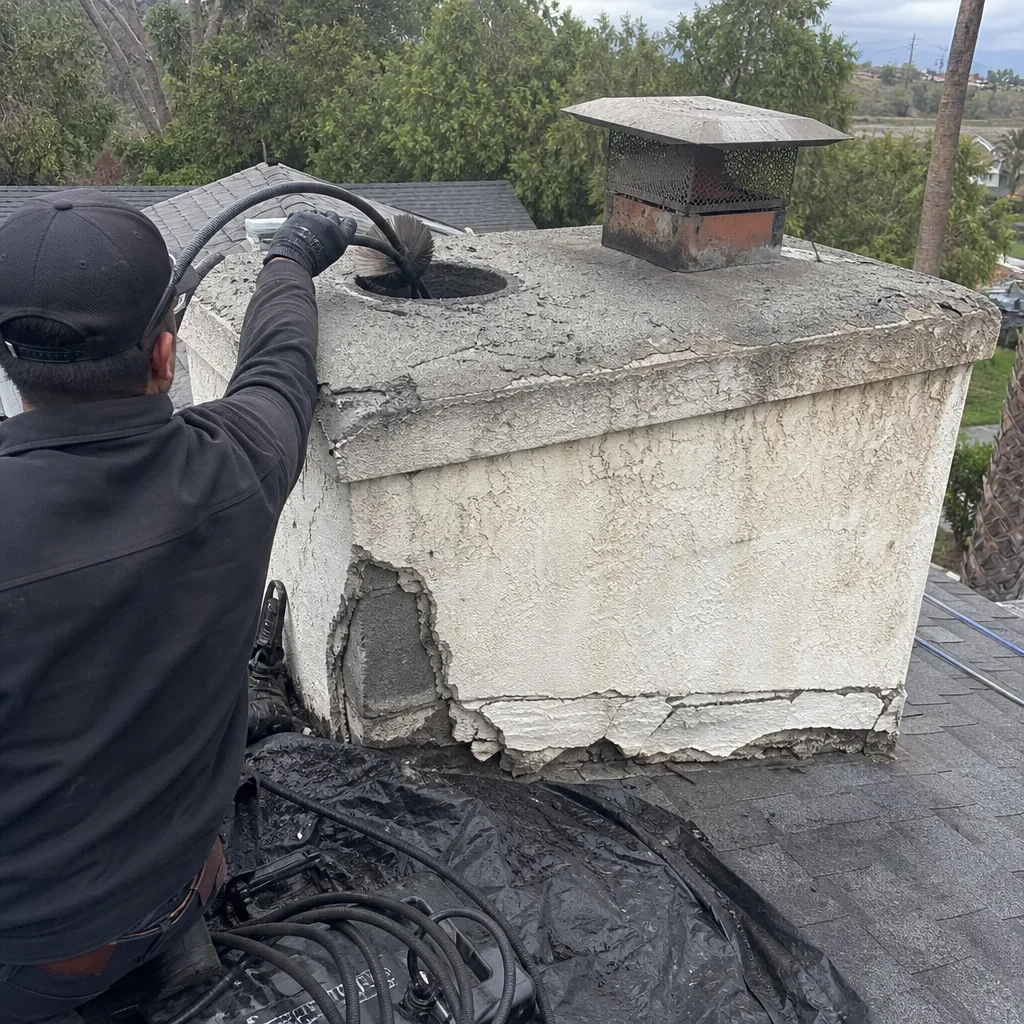 Before
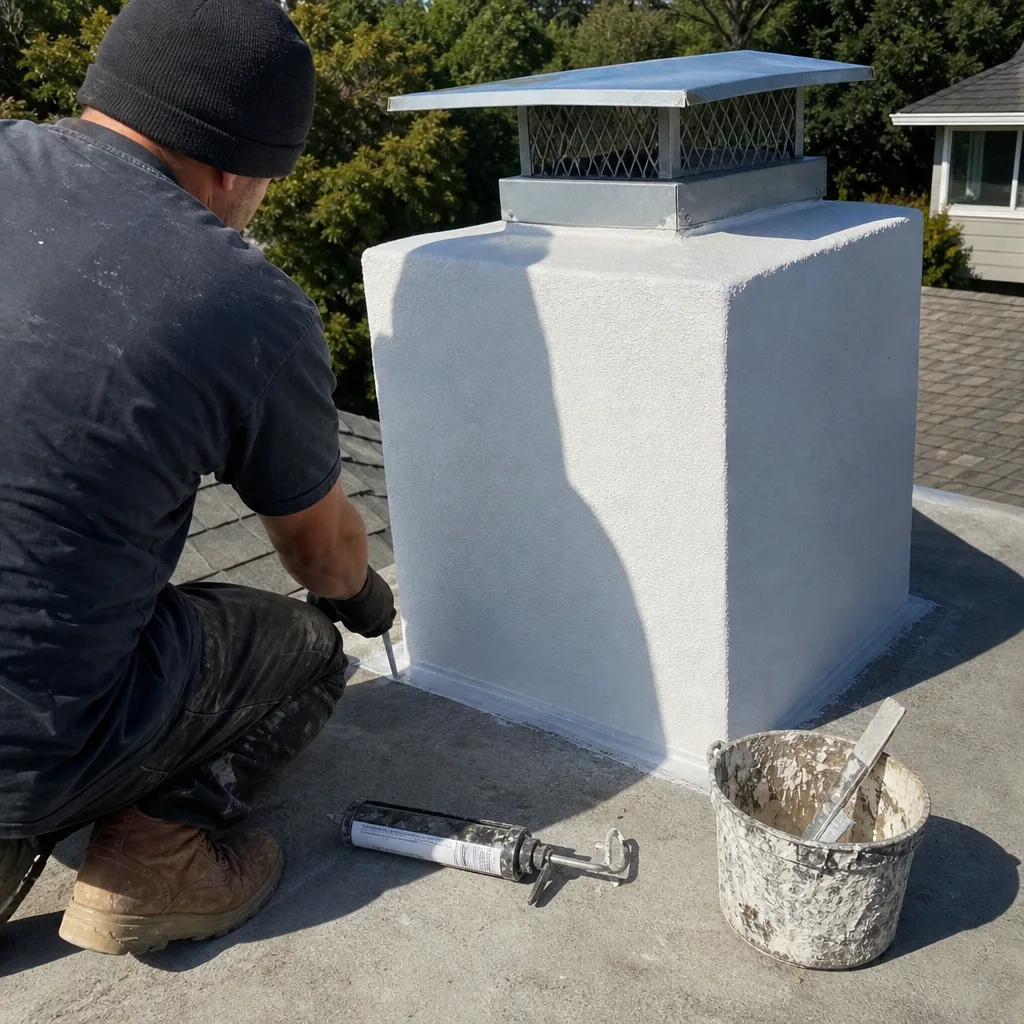 After
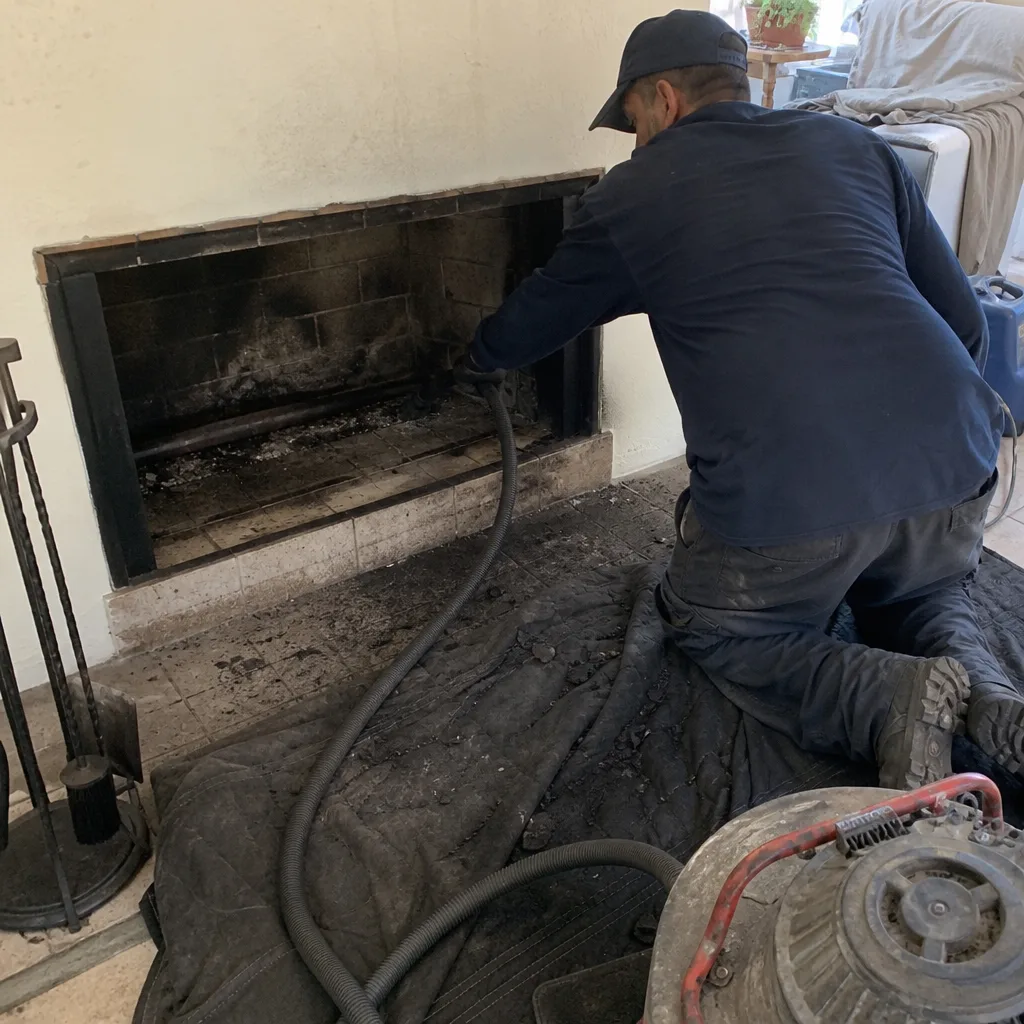 Before
 After
 Before
 After