
Last updated November 2, 2026
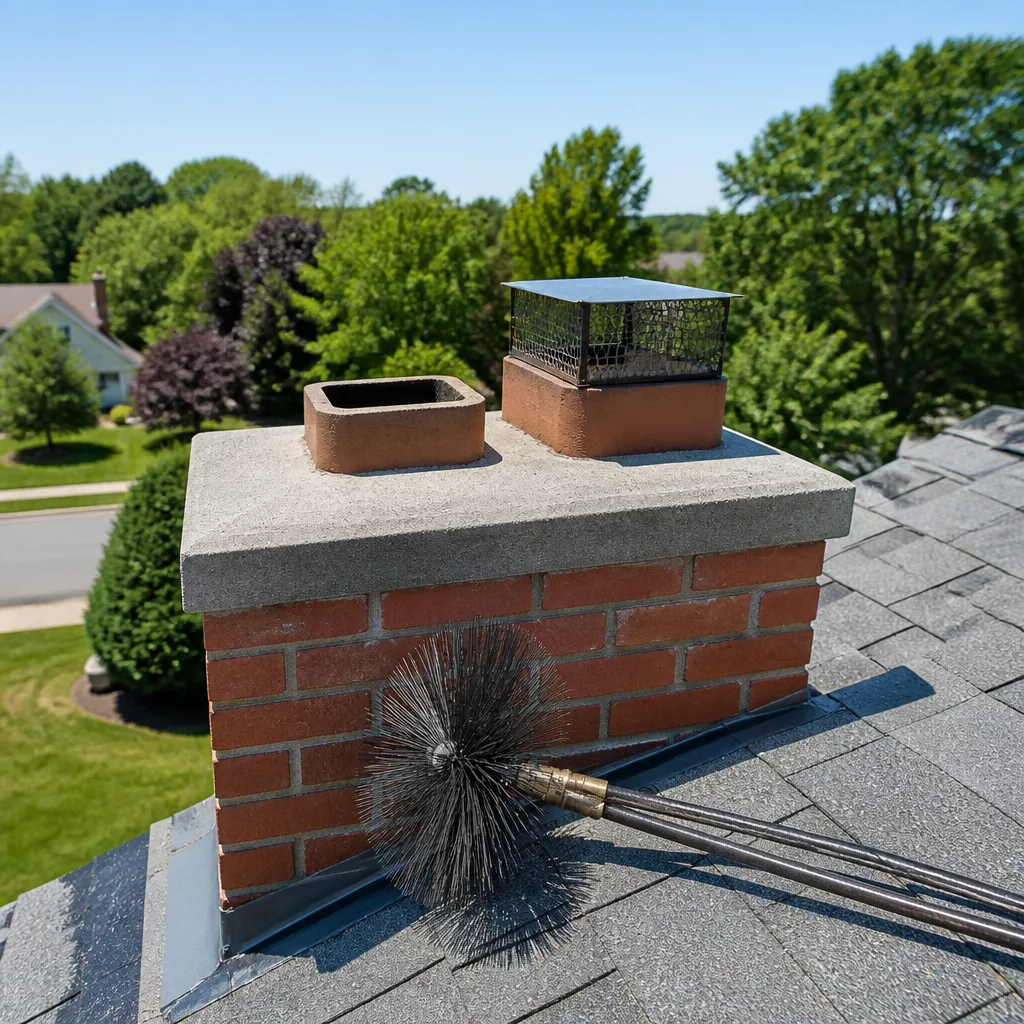 Sweep & inspection
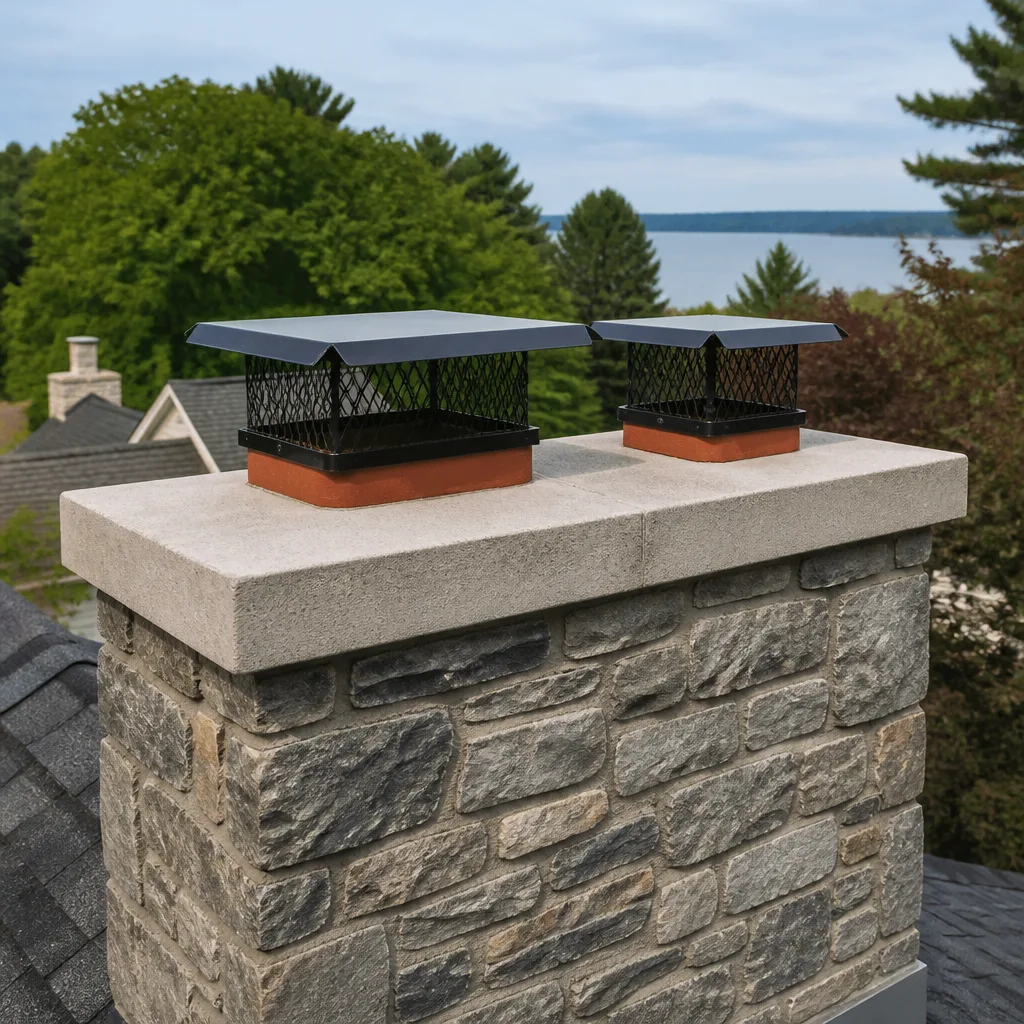 Caps & crowns
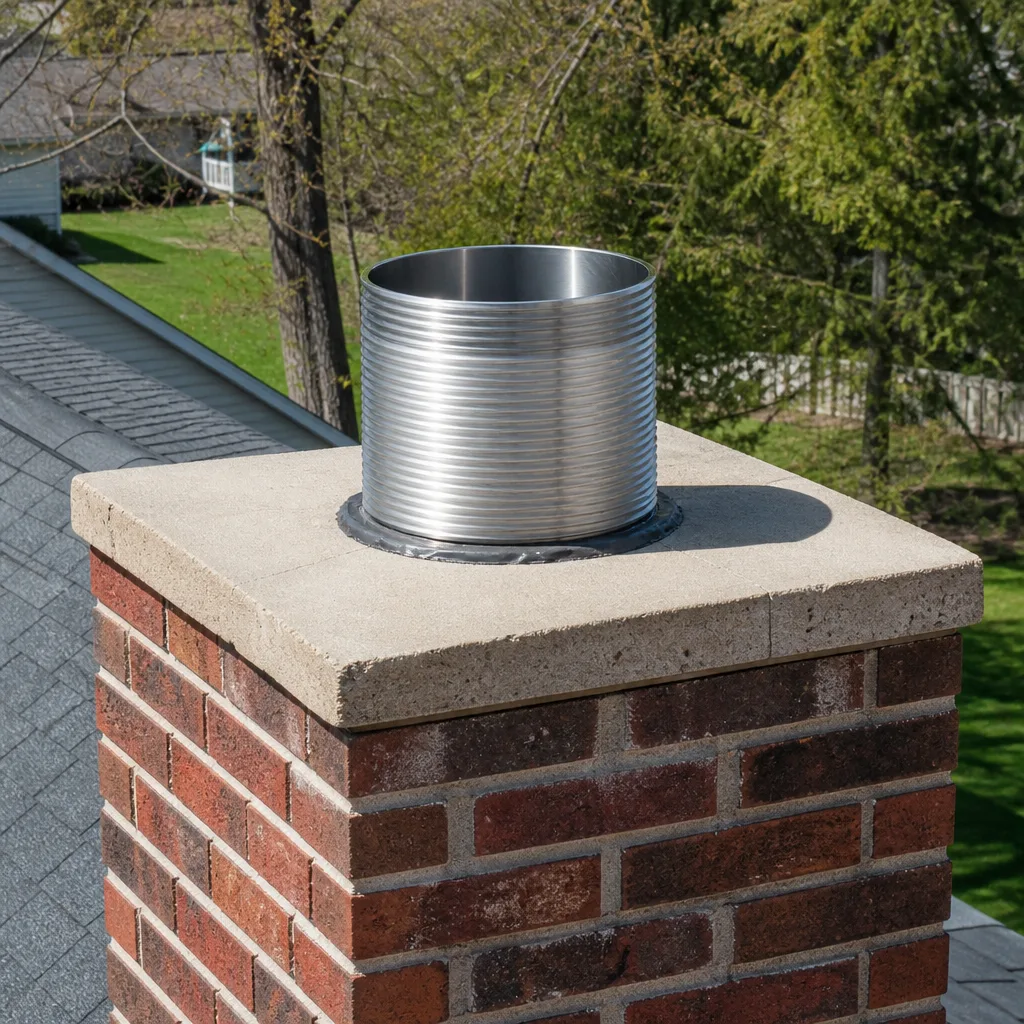 Flue relining
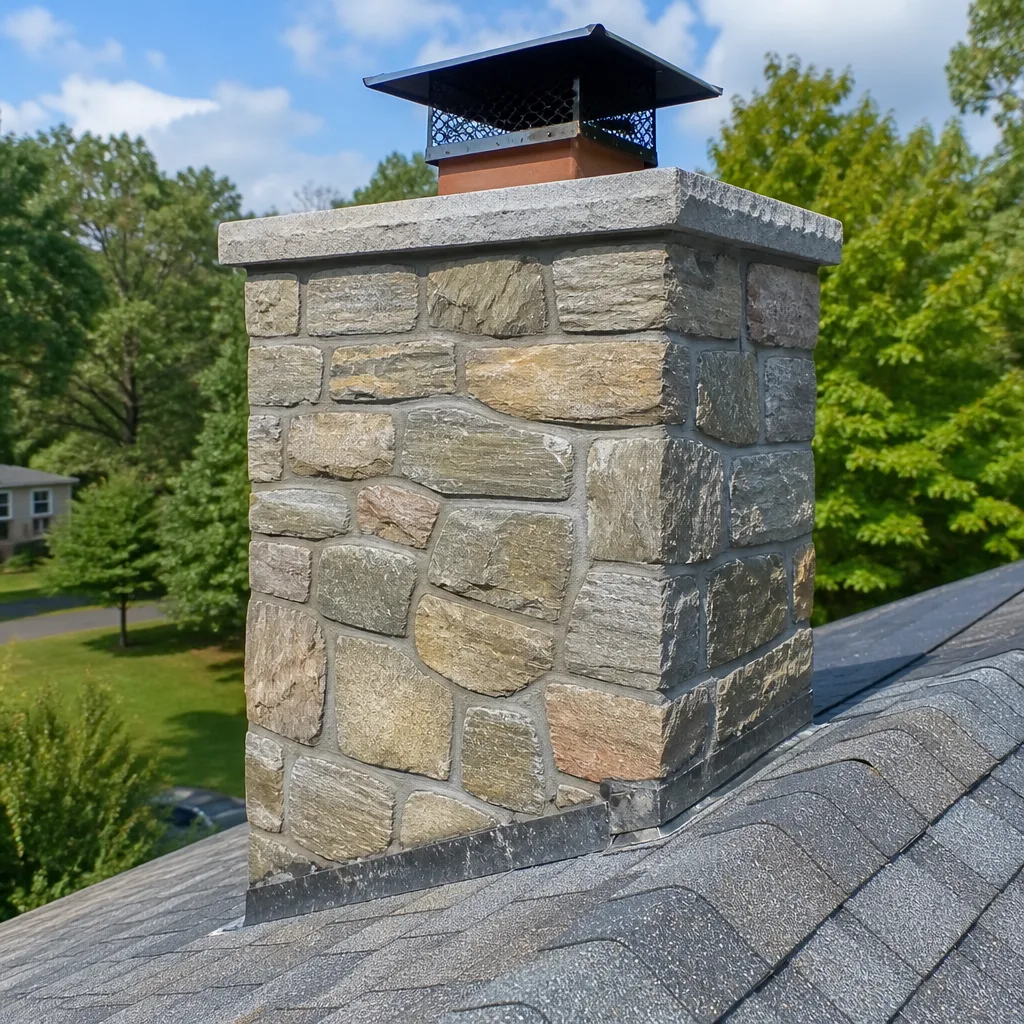 Masonry repair
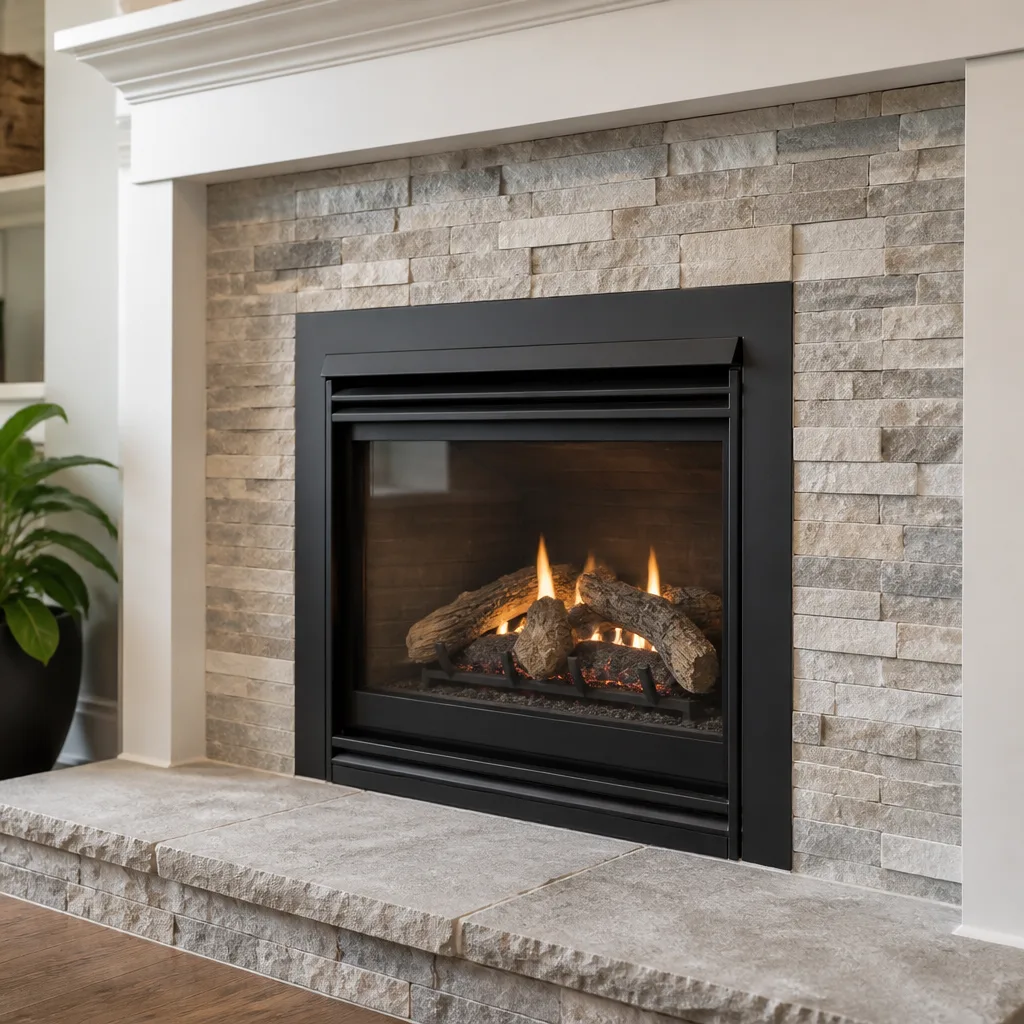 Gas fireplace service
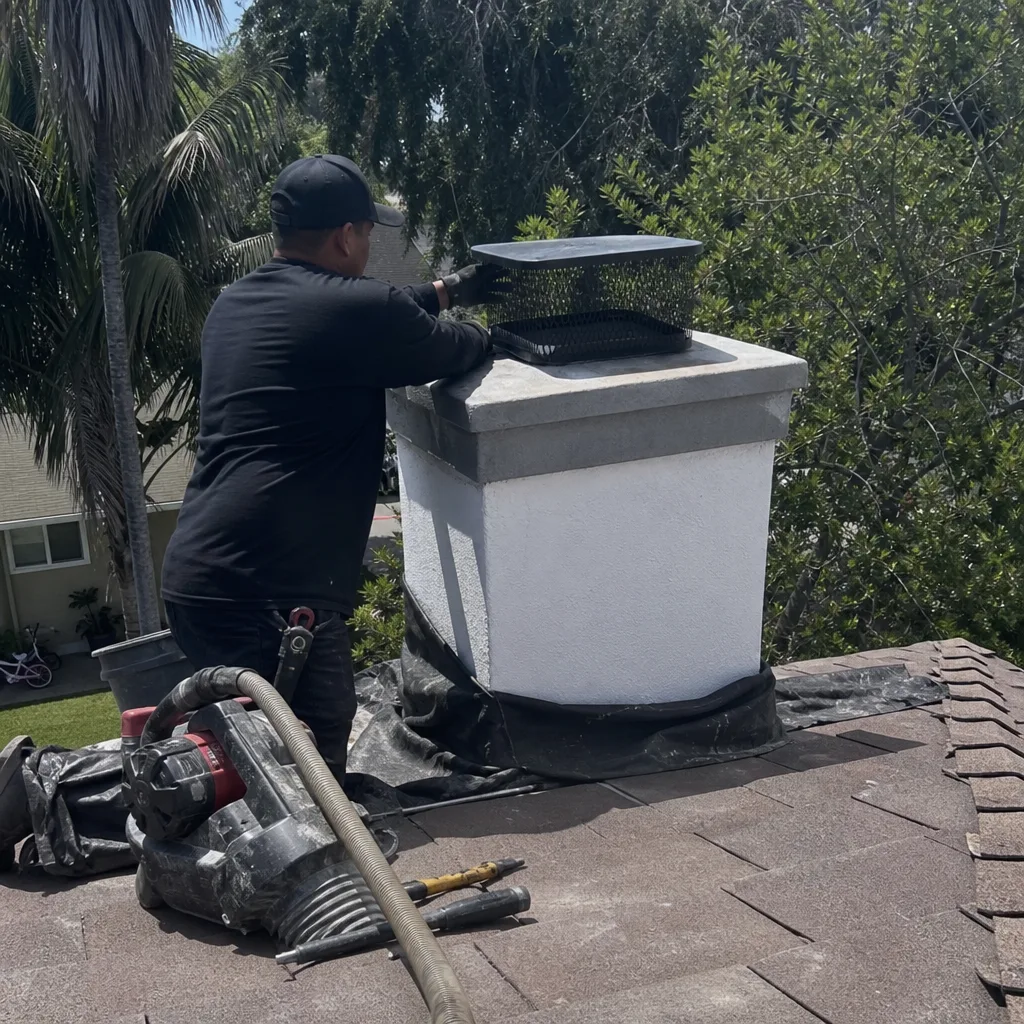
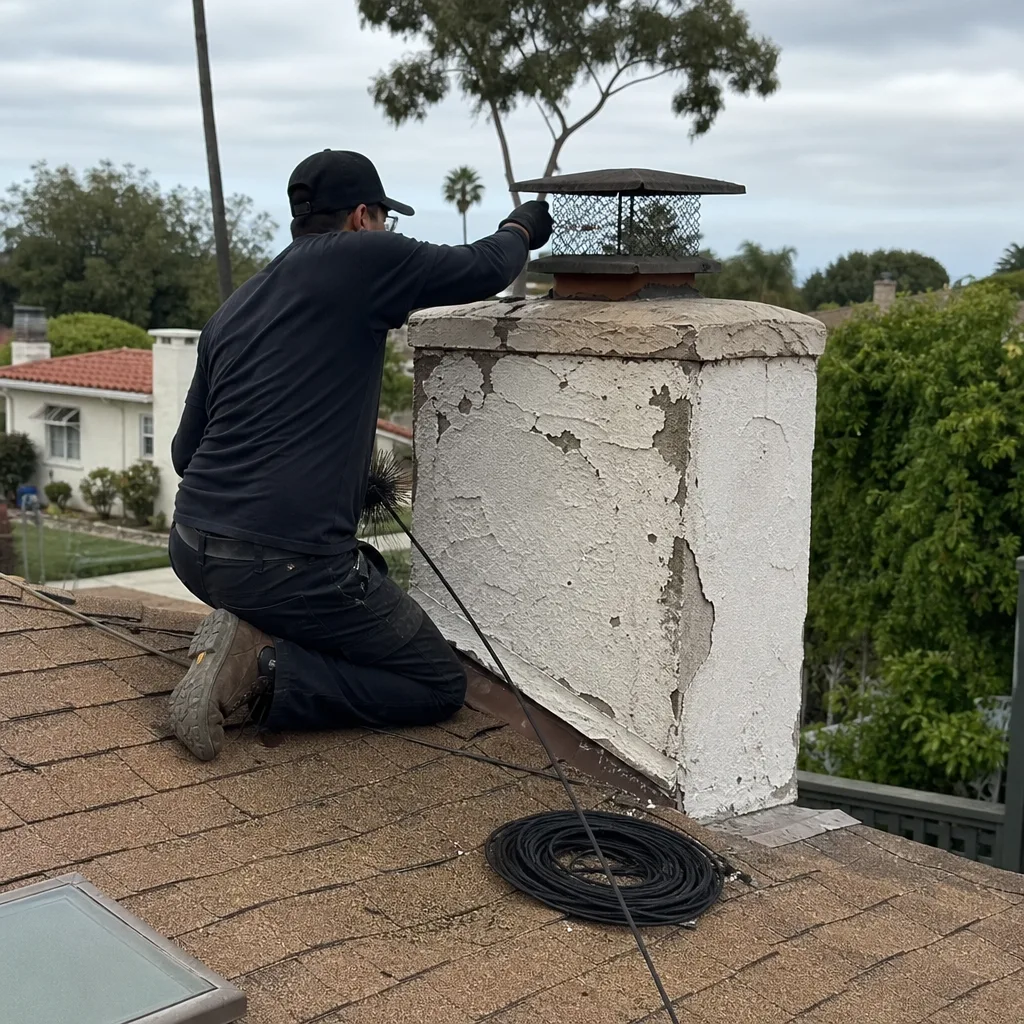
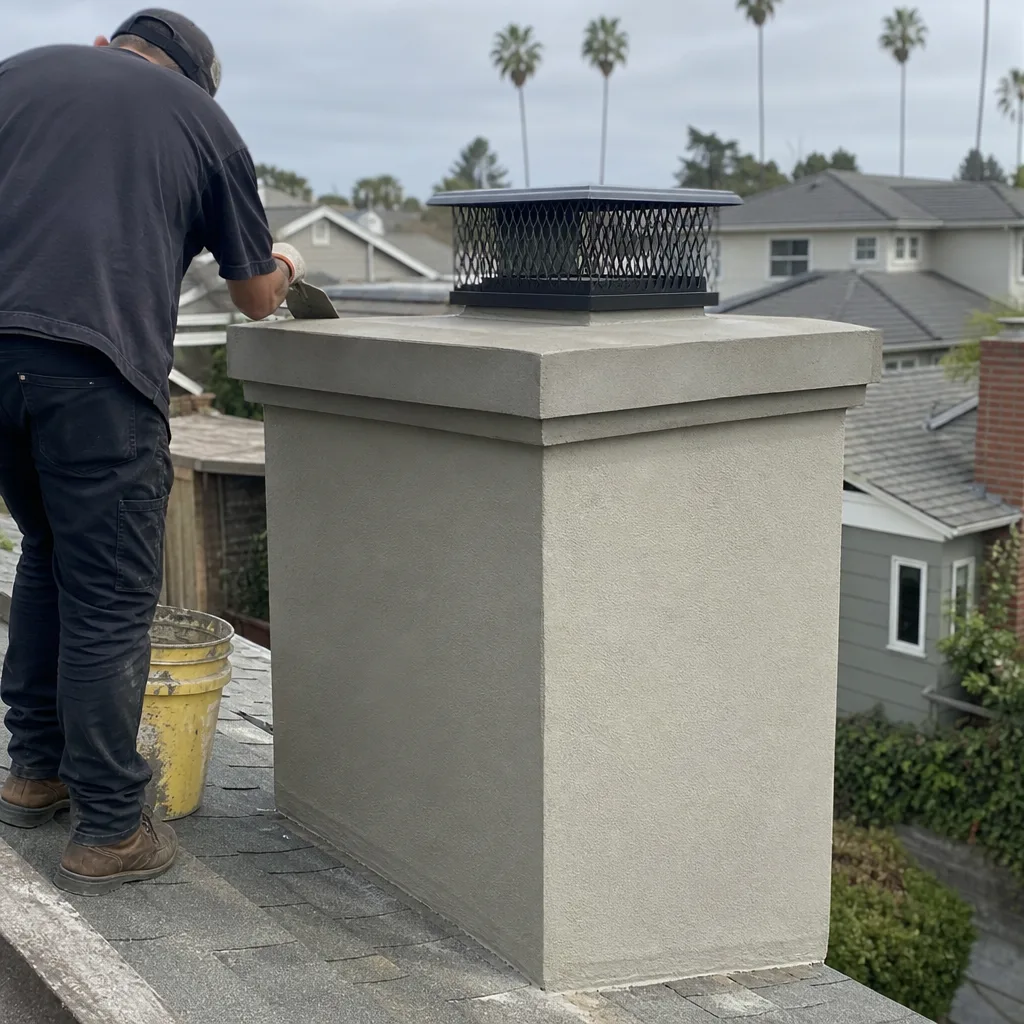
Level 1 sweep and inspection to the NFPA 211 annual standard - flue, crown, cap, and flashing checked and photographed
Chimney sweep logs do not sweep chimneys. They loosen some creosote - which then falls where a brush and vacuum still have to collect it.
DIY vs Professional Chimney Cleaning: The Downtown San Diego Homeowner’s Decision Guide
You can buy a chimney brush kit on Amazon for forty bucks and clean your own flue this weekend. The question isn’t whether you can physically do it. The question is whether you’ll recognize the stage-2 creosote glaze, cracked terracotta tile, or corroded damper plate you’re brushing past in the dark. Downtown San Diego chimneys fail differently than chimneys in New England or the Midwest. Coastal air, marine layer moisture, and decades-old masonry in buildings that predate modern building codes create a specific set of problems that don’t show up on YouTube tutorials filmed in suburban Ohio. This guide walks through what DIY actually accomplishes, what it can’t touch, what it costs in real numbers, and when calling a professional isn’t just smarter, it’s the only responsible move.
Styles & brands we work with
- Sweep & inspection
- Caps & crowns
- Flue relining
- Masonry repair
- Gas fireplace service
Quick Answer
DIY chimney cleaning removes loose creosote from accessible flue surfaces, and for a homeowner with a single-story home, basic tools, and a recent professional inspection confirming a clean liner, it can be sufficient as light maintenance. But DIY cannot evaluate what’s actually happening inside the flue, and in Downtown San Diego’s coastal climate, the expensive problems are almost never visible to an untrained eye. If you want peace of mind that your chimney is actually safe, a professional sweep with camera inspection costs roughly the same as one emergency room copay, and it catches issues while they’re still $85 fixes instead of $8,500 liner replacements.
Table of Contents
- What DIY Chimney Cleaning Actually Accomplishes
- What DIY Cannot Address
- The Real Cost Comparison: DIY Tools vs Professional Service
- San Diego-Specific DIY Risks
- Three Scenarios Where Professional Service Is Non-Negotiable
- The Middle Path: What Homeowners Can Do Between Professional Visits
- Common Mistakes to Avoid
- When to Call a Professional
- Frequently Asked Questions
- The Bottom Line
What DIY Chimney Cleaning Actually Accomplishes
Let’s be honest about what a homeowner with a brush kit is doing up there. A DIY sweep knocks loose the fluffy, granular creosote deposits that accumulate on flue walls during a burning season. That’s it. It removes the stuff you can see and reach. If you have a straight flue, a properly sized brush, and you’re working from the roof or through the firebox with a flexible rod system, you can dislodge maybe 70 to 80 percent of the loose material in a chimney that’s been maintained regularly. For a chimney that’s been neglected for three or four seasons, that number drops considerably.
Creosote is not a single substance. It exists in three stages. Stage one is the fluffy, grayish powder that brushes actually work on. Stage two is a tar-like glaze that hardens on flue walls, especially in chimneys used for occasional fires rather than daily burns. Stage three is a rock-hard, shiny glaze that forms when flue temperatures cycle between hot and cold repeatedly. That’s the scenario in most Downtown San Diego chimneys, because our burning season is short and sporadic. We don’t run wood stoves continuously from November to March the way people do in colder climates. We light a fire on the four or five genuinely cold nights between December and February, and the rest of the time the chimney sits dormant, collecting marine-layer condensation. That intermittent use pattern is exactly what creates stage-two and stage-three glazing. A brush won’t touch it. It requires chemical treatment or mechanical removal with a rotary chain system. No $40 Amazon kit includes either.
What the DIY brush also can’t do is reveal what it just cleaned. A homeowner pulling a soot-covered brush out of the flue has no way of knowing whether the flue walls are smooth clay tile, pitted brick, or a liner that’s already cracked in three places.
What DIY Cannot Address
This is the part most online guides skip. They frame the debate as “cost of DIY vs cost of professional,” but that’s a false comparison because the two services aren’t doing the same job. A DIY sweep is a maintenance task. A professional sweep is a diagnostic procedure that happens to include cleaning.
Here’s the specific list of what DIY cannot address:
- Cracked or collapsed flue tiles. Downtown San Diego has some of the oldest housing stock in the county. Terracotta flue liners in buildings constructed before 1960 are often cracked from decades of seismic settling. A brush passes right over hairline fractures. A camera inspection sees them clearly, and they matter because cracks allow flue gases, heat, and carbon monoxide to reach combustible framing.
- Stage-two and stage-three creosote glaze. As covered above, these require chemical treatments or mechanical removal methods that homeowners don’t have access to. Multiple professional-grade brands, including the ones we work with, produce chemical creosote removers that are applied by trained technicians, not poured down the flue from the hardware store shelf.
- Corroded dampers and throat plates. The damper is the metal door that seals the chimney when you’re not burning. In Downtown San Diego’s salt air, dampers corrode faster than homeowners expect. A DIY sweep from the firebox perspective involves reaching past the damper with brush rods. The homeowner gets a face full of soot and usually can’t tell whether the damper plate has rusted through or just needs lubricant.
- Hidden masonry gaps and mortar deterioration. A chimney is a system, not a tube. The crown, cap, flashing, and exterior masonry all work together to keep water out. Water intrusion is the number one killer of chimneys in coastal climates because moisture gets behind brick, then the marine layer’s moisture cycle makes it worse. DIY cleaning does nothing for the exterior.
- Animal intrusion and nesting debris. This deserves its own section below because it’s a legal issue in San Diego, not just a cleaning one.
- Carbon monoxide pathway verification. A clean flue that doesn’t draft properly is still dangerous. Draft testing requires equipment and experience, and it’s the single most important safety check in any sweep.
When you hire a profession.
The Real Cost Comparison: DIY Tools vs Professional Service
The “chimney sweeping costs $250 and a brush kit costs $40” comparison is the most misleading math in home maintenance. Here’s what a genuinely complete DIY setup actually costs, priced for San Diego in 2026:
DIY Equipment Costs
- Poly brush kit with flexible rods: $40 to $85 (Amazon or local hardware store).
- Drop cloths and plastic sheeting: $20 to $35.
- Shop vacuum with HEPA filter: $120 to $200 if you don’t already own one. A standard shop vac blows fine soot back into your living room.
- Extension ladder capable of reaching a second-story roof: $180 to $350. Most Downtown San Diego single-family homes are two stories, and downtown condo buildings are definitely not ladder-accessible from the ground.
- Headlamp or work light: $30.
- Respirator rated for fine particulates: $40 to $75. Paper masks don’t cut it with stage-two creosote.
- Safety harness and roof anchor for anything beyond a low-pitch roof: $100 to $250. Many Downtown San Diego homes have flat roof access, which sounds safer, but flat roofs create their own set of problems, covered below.
- Creosote chemical treatment (if DIY is serious about stage-two glaze): $50 to $80, and application while standing on a roof with a brush in one hand is dangerously awkward.
- Camera inspection scope: $80 to $250 for anything that gives a useful view of a dark flue. A $30 inspection camera on Amazon produces a grainy mess that doesn’t show hairline cracks.
Realistic DIY total for a genuinely complete job: $600 to $1,100 for the first year. The second year drops to maybe $100 in consumable supplies. But that first-year number matters, because it’s what homeowners should compare against a professional sweep that includes camera inspection.
In Downtown San Diego, a professional chimney sweep with camera inspection typically runs between $180 and $300 depending on the chimney’s condition and accessibility. That price includes the labor, the equipment, the disposal of creosote waste, the camera report, and the trained eye that knows what to look for in a coastal climate chimney.
Even if you already own a ladder and a shop vac, the DIY savings argument only applies to light maintenance on a chimney that has been professionally inspected and confirmed clean within the last 12 months. In that narrow scenario, sure, DIY makes sense. We tell homeowners that ourselves. The problem is that most people attempting DIY have no idea what’s actually in their flue, and they’re using the brush as a substitute for an inspection, not as a complement to a recent one.
San Diego-Specific DIY Risks
Flat Roof Access Liability
Most Downtown San Diego single-family homes built before 1950 have flat or very low-pitch roofs. Flat roofs are not designed for foot traffic, and the roofing material, which is often modified bitumen or torch-down asphalt, punctures easily. A homeowner who drags a ladder, brush rods, and a bucket across a flat roof can easily create a leak that costs $2,000 to repair. Roof leaks are not a hypothetical problem in a city where winter storms occasionally drop all of our annual rainfall in a single week. We’ve been called out to chimneys in neighborhoods like Golden Hill and Sherman Heights where the homeowner’s DIY sweep was fine, but the roof now needs patching because the standing water found the puncture from a ladder foot.
HOA Restrictions in Downtown Condo Buildings
If you own a condo in any Downtown San Diego building, such as those in East Village or the Marina District, you almost certainly cannot legally do your own chimney work. Most HOAs with functioning chimneys require a licensed and insured contractor to sign off on any roof access, and many prohibit roof access by residents entirely. The liability questions here are not worth testing. If your chimney is shared with other units, which happens in older downtown buildings that were originally designed with a common flue, DIY work on your portion can affect your neighbors, and that conversation with the HOA board is not one you want to have.
Bird Nesting and Protected Species
This is the legal exposure almost no DIY guide mentions. San Diego is home to several bird species protected under the Migratory Bird Treaty Act, and chimney swifts, which do live in Southern California although they’re more common elsewhere, have a specific protection status. Chimney swifts are federally protected. It is illegal to disturb an active nest, which means if a homeowner starts a fire or sends a brush up a flue containing a swift nest with eggs or hatchlings, that homeowner has committed a federal offense. The California Fish and Game Code has additional protections for native bird species. A professional sweep knows how to check for nesting activity and how to handle a discovered nest legally. The fine for a homeowner who just brushes through and destroys a protected nest can reach five figures. This is not theoretical. This is a real legal risk in San Diego.
The Marine Layer Moisture Cycle
Downtown San Diego sits directly in the path of the marine layer, the low coastal cloud deck that rolls in most evenings from May through August. That moisture, combined with the salt content of the air, creates condensation inside chimneys that sits dormant through the summer months. Creosote is hygroscopic, meaning it absorbs moisture from the air. A chimney that has a stage-two creosote layer absorbs marine layer humidity all summer, which makes the deposits heavier and more tightly bonded to the flue walls. This is why chimneys in coastal San Diego develop glazed creosote faster than chimneys in hot, dry inland areas. A DIY brush has almost no effect on moisture-cured glazed creosote. A professional using a rotary loop system will remove it.
Three Scenarios Where Professional Service Is Non-Negotiable
There are some situations where the DIY debate shouldn’t even happen. These three scenarios require a professional, regardless of how handy the homeowner is:
- Pre-real-estate-transaction inspections. If you’re buying or selling a home in Downtown San Diego, the home inspector will flag the chimney as a point of interest, but most home inspectors are generalists. They look at the firebox, peer up the flue with a flashlight, and write “recommend level 2 chimney inspection.” If you’re the seller, a professional sweep that includes a camera report and documentation of the chimney’s actual condition removes the buyer’s leverage to negotiate a $5,000 contingency credit for “unknown chimney condition.” If you’re the buyer, that same inspection tells you whether the charming 1920s bungalow in North Park has a functional flue or a $12,000 liner replacement waiting. No amount of DIY brushing answers those questions.
- Post-chimney-fire assessment. If you’ve had a chimney fire, even a small one that you extinguished with a fire extinguisher, the flue has been exposed to temperatures that clay tile is not designed to withstand. Visual inspection from inside the firebox will not reveal the damage. A professional camera inspection will show the interior. In our experience, roughly half of the post-fire chimneys we inspect need some form of liner repair or replacement. We work with DuraFlex and other professional-grade liner systems for these repairs, and the cost difference between catching a hairline crack now and replacing a collapsed liner later is measured in thousands of dollars.
- Any work that precedes appliance installation. If you’re installing a new gas insert, a wood stove, or any vented appliance in Downtown San Diego, the existing flue must be evaluated for compatibility. The clearances, liner material, and draft characteristics all matter. Manufacturers require a compliant flue to maintain their appliance warranty, and local building codes in the city of San Diego require a permitted installation with a flue that meets current standards. An old terracotta flue that was fine for an open fireplace may not be safe for a high-efficiency gas insert. This is not a DIY question. It’s a code compliance question with a very specific answer.
The Middle Path: What Homeowners Can Do Between Professional Visits
The honest answer to the DIY question is not “never touch it” and it’s not “go ahead and brush it yourself.” There’s a genuine middle path that’s both safe and useful. Here’s what we recommend homeowners do between professional sweeps, whether those sweeps happen annually or every other year depending on usage:
- Visual firebox check. Every month, when the fireplace is completely cold, shine a flashlight into the firebox. Look at the back wall and side walls. You’re checking for new cracks in the firebrick, loose bricks, or a white, powdery substance on the brick face. White powder on brick is efflorescence, which means water is getting in somewhere, and in a coastal climate like Downtown San Diego, water is the enemy of Chimney masonry.
- Cap inspection from ground level. Walk to the sidewalk or the property line and look up at the chimney. You’re looking for three things: a missing or leaning cap, visible cracks in the crown (the concrete or stone slab at the top), and birds entering or leaving the flue. A good Cap with a spark arrestor should be in place. If you can’t see the cap from the ground, that’s fine, this inspection is limited by line of sight. If you DO see a problem, call a professional before you use the chimney again.
- Damper operation test. Open and close the damper fully. It should move smoothly and lock into both positions. Listen for grinding, which indicates rust in the pivot mechanism. A damper that doesn’t seal fully is costing you cooled air in the summer and letting marine layer moisture into the flue year-round, which accelerates creosote hardening and masonry deterioration.
- Draft smell check. On a humid day in May or June, after the marine layer has rolled in the night before, stand near the closed fireplace and sniff. If you smell a campfire smell or something musty and sharp, you have a draft problem. The odor is coming from creosote that absorbed moisture overnight and is releasing odor compounds into the house. This doesn’t necessarily mean the chimney is dangerous, but it means the damper seal is weak or the chimney is pulling air backward, and air that comes down from the top is bringing soot smell with it. A draft issue needs professional evaluation.
- Clean the firebox ash you can safely reach. This is the one physical task that’s genuinely safe to do yourself. After the firebox is completely cold, about 48 hours after the last fire, scoop out the loose ash with a metal shovel. Wear a dust mask. Put the ash in a metal bucket, not paper or plastic, and let it sit outside for a week before disposal because embers can stay hot for much longer than people think. Do not vacuum the ash with a regular household vacuum. The fine particles will destroy the motor and blow ash back into your home.
These five tasks are not a substitute for professional cleaning, but they’re real maintenance, and a homeowner who does them is walking into the next professional visit with useful information. If the visual firebox check shows fresh cracks, or the draft smell check turns up a campfire odor in June, that’s a signal to call for an inspection now rather than waiting for the scheduled fall sweep.
Common Mistakes to Avoid
- Using a chimney cleaning log as a substitute for sweeping. Creosote sweeping logs, the ones you burn in the fireplace to “loosen” creosote, do not remove anything from the flue. They chemically alter the outer layer of creosote and make it easier for a professional to remove later. They do not clean the chimney. If you burn one and then skip the sweep, you’ve made the chimney dirtier and maybe more flammable. We see this misunderstanding constantly.
- Brushing from the firebox without sealing the room. A DIY sweep done from inside the house releases fine soot into the living space. Soot embeds in carpet, fabric, and paint. If you’re going to brush from the firebox, tape plastic sheeting over the entire fireplace opening, cut a small slit for the rod, and even then expect some dust. Most people don’t realize how much material comes down until the living room is covered in a fine black film.
- Ignoring the dryer vent because “it’s separate.” This might be the most common mistake in Downtown San Diego specifically, because dryers in condos and older homes often vent through the roof or through complex interior walls. A clogged dryer vent is a fire hazard, just like a dirty chimney. The lint that builds up inside the dryer duct burns easily. If you’re serious about fire safety, check the Dryer Vent Cleaning in Downtown San Diego service we offer, because the two systems follow the same principle: a clear path for hot air and combustion particles is a safe one.
- Assuming a gas fireplace doesn’t need cleaning. Gas fireplaces produce lower temperatures and mostly water vapor, but the logs still accumulate dust, spider webs, and sometimes debris from the chimney above. Vent-free gas logs, which are common in Downtown San Diego apartments and condos, produce byproducts that deposit on the logs and in the surrounding firebox. Annual inspection still matters.
- Waiting for the “burning smell” before calling. The campfire smell when the fireplace is lit is usually the first sign of a stage-two creosote problem. By the time that smell appears, the glaze has already formed, and a DIY brush will not remove it. The homeowner who waits for the smell has guaranteed themselves a professional cleaning, and sometimes a professional chemical treatment on top of the cleaning.
- Replacing a terracotta liner with a do-it-yourself refractory kit. There are products on the market marketed for DIY liner repair. We do not recommend them. The temperature ratings, bond strength, and draft characteristics of a liner system matter, and getting it wrong means burning the house down or gassing yourself with carbon monoxide. Liner repair with professional-grade materials like Chimney Repair in Downtown San Diego is one of the services contractors exist for.
When to Call a Professional
If any of the following apply, call before you light another fire: you smell smoke in the house when the fireplace is not in use, you’ve had a chimney fire of any size, you see white powder on the firebrick, water drips into the firebox after rain, you’re buying or selling the home, you hear birds in the chimney, or it’s been more than two years since anyone looked at the flue with a camera. We do this work every day. We’ve seen chimneys in Little Italy, Bankers Hill, and the Gaslamp that looked fine from the firebox and were a disaster on camera. The camera doesn’t lie, and neither does the creosote. Hometown Chimney Sweep offers free estimates in Downtown San Diego. Call (866) 670-3503 and we’ll tell you honestly whether your chimney needs work or whether you’re good for another season.
Frequently Asked Questions
A chimney that’s used regularly during the burning season should be swept once per year, and a chimney used occasionally, fewer than a dozen fires per season, can usually go two years if the previous inspection confirmed clean conditions. The marine layer in Downtown San Diego causes creosote to harden between uses, so the “occasional use” chimneys often need chemical treatment even when the visible creosote looks minimal. When in doubt, an annual inspection is cheaper than an annual problem.
Physically, yes, you can remove loose stage-one creosote from accessible flue surfaces with a brush kit, especially if your chimney is straight and you have safe roof access. But DIY brushing does not inspect the flue, does not remove glazed creosote, and does not identify cracks or water damage, which are the actual killers in coastal climates. We recommend DIY only for maintenance between professional inspections, not as a replacement for one.
A professional sweep includes everything the DIY brush touches plus a visual and camera inspection of the entire flue, an evaluation of the cap, crown, flashing, and damper, a draft check, and disposal of all debris. The camera inspection is the part that matters, because it turns the sweep from a cleaning task into a diagnostic procedure. In our experience, about one in every five chimneys we sweep in Downtown San Diego has an issue that the homeowner wouldn’t have found without the camera.
In the Downtown San Diego market, a professional chimney sweep with camera inspection typically costs between $180 and $300 for a standard single-flue chimney, depending on condition and roof accessibility. A chemical treatment for glazed creosote adds to that. DIY equipment costs for a genuinely complete setup start around $600 for the first year, which makes professional service the cheaper option for anyone starting from scratch. For a precise quote on your chimney, call us at (866) 670-3503 and we’ll come out and look.
The liner answer depends entirely on the condition of your existing flue. If the terracotta is cracked, spalling, or missing sections, then yes, a liner is a genuine safety requirement, not a sales add-on. We don’t recommend liner work unless the camera shows a problem, and we show every homeowner the camera footage so they see the issue with their own eyes. If the camera shows intact liner in good condition, we’ll tell you that plainly and you’ll walk away with a clean chimney and no repair bill. The Chimney Repair in Downtown San Diego side of our business exists because sometimes homes genuinely need it.
Most downtown condo buildings do not allow roof access by residents, and many require proof of licensed and insured contractors for any work involving shared building systems. Even if your HOA documents are silent on chimneys, the liability question of damaging a flat roof or a shared flue makes DIY work in condo buildings unwise. Check your CC&Rs before doing anything, and if roof access is restricted, a professional who carries the right insurance is your only compliant option.
The failure path depends on your burning habits and the chimney’s exposure to the marine layer. In Downtown San Diego, the most common sequence is: stage-one creosote accumulates, then hardens into stage-two glaze because the chimney sits damp through the summer months, then the glaze narrows the flue and raises flue temperatures, then the clay liner cracks, then water finds the crack, and then you’re looking at a liner repair or full replacement. The whole process can take five years or it can take fifteen, but the endgame moves from a $250 sweep to a multi-thousand-dollar repair. The cheap intervention is the one done early.
The Bottom Line
The DIY vs professional debate is about diagnostics, not cleaning. You can physically brush your own flue. What you cannot do is know whether the brush accomplished anything meaningful or whether the flue behind the brush has a crack that’s been leaking flue gases toward your framing for three years. In Downtown San Diego, with its marine layer moisture, aging masonry stock, and legal considerations around flat roofs and protected birds, the risk profile tilts strongly toward professional evaluation. If a recent camera inspection has already confirmed clean conditions, the middle path works: do your monthly visual checks, clean the firebox, and grab a brush kit for the easy material. But if it’s been two or more years since anyone looked at that flue with a camera, start there. A sweep is cheap. Not knowing is expensive.
Ready to make sure your chimney is actually safe? Call Hometown Chimney Sweep at (866) 670-3503 for a free estimate in Downtown San Diego. We’ll inspect what’s actually happening up there. Hometown Chimney Sweep home handles chimney sweeps, Chimney Sweep in Downtown San Diego, Dryer Vent Cleaning in Downtown San Diego, and Chimney Repair in Downtown San Diego, all with the same crew and the same professional-grade standards.
Written by the team at Hometown Chimney Sweep, serving Downtown San Diego since 2015.
See the difference
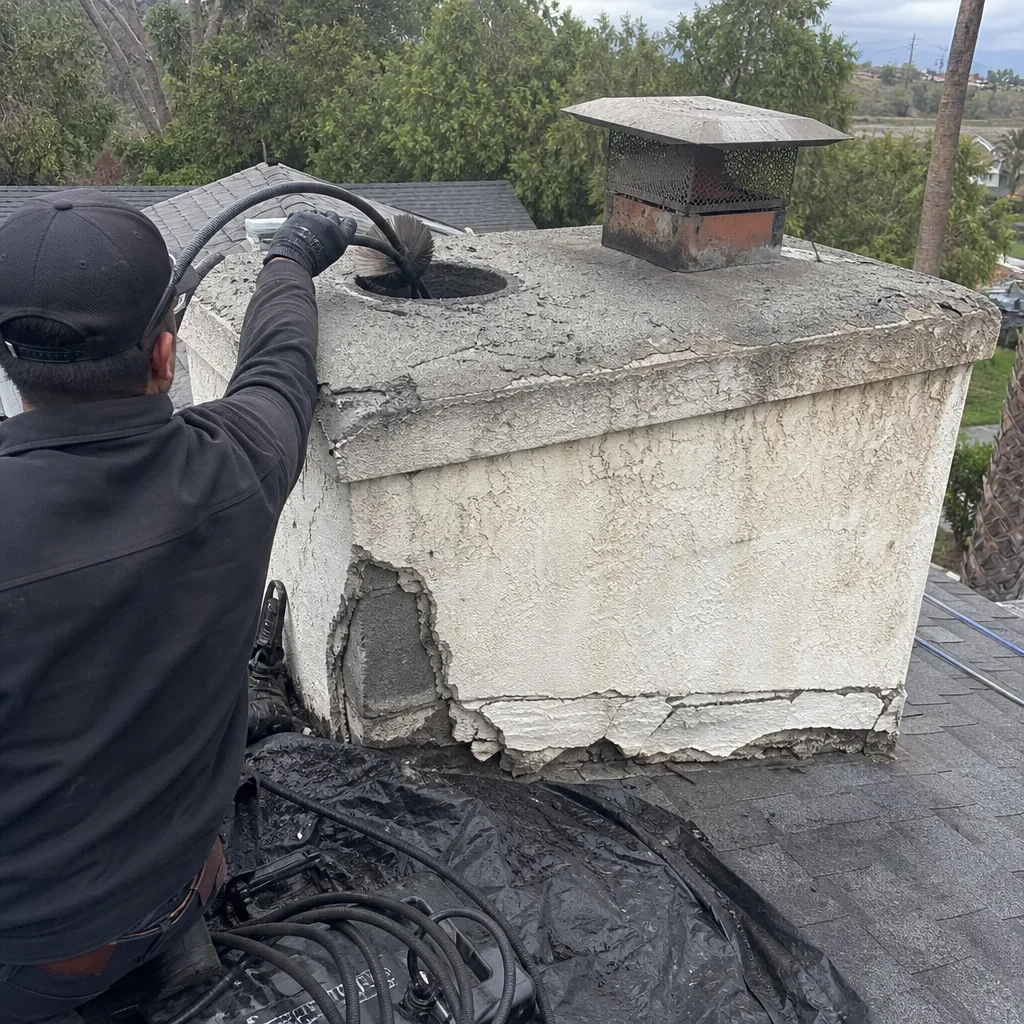 Before
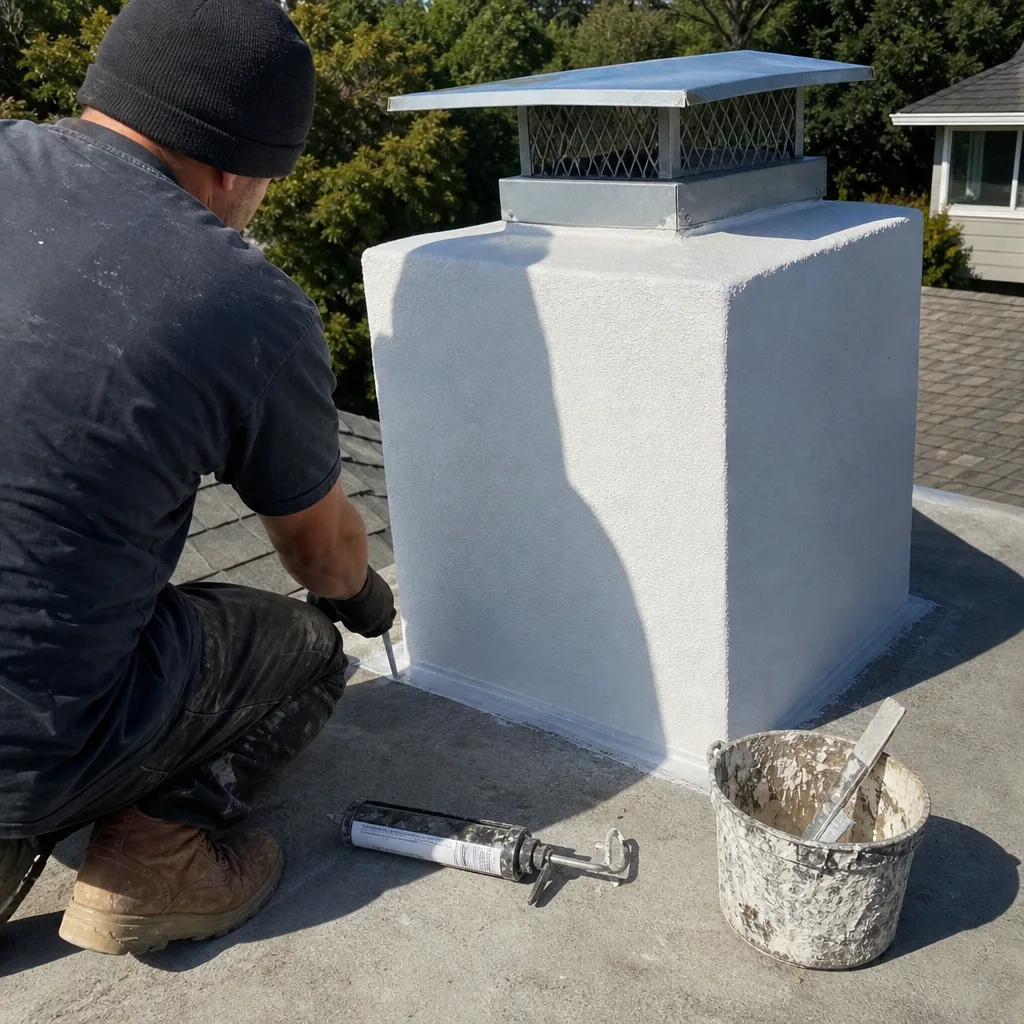 After
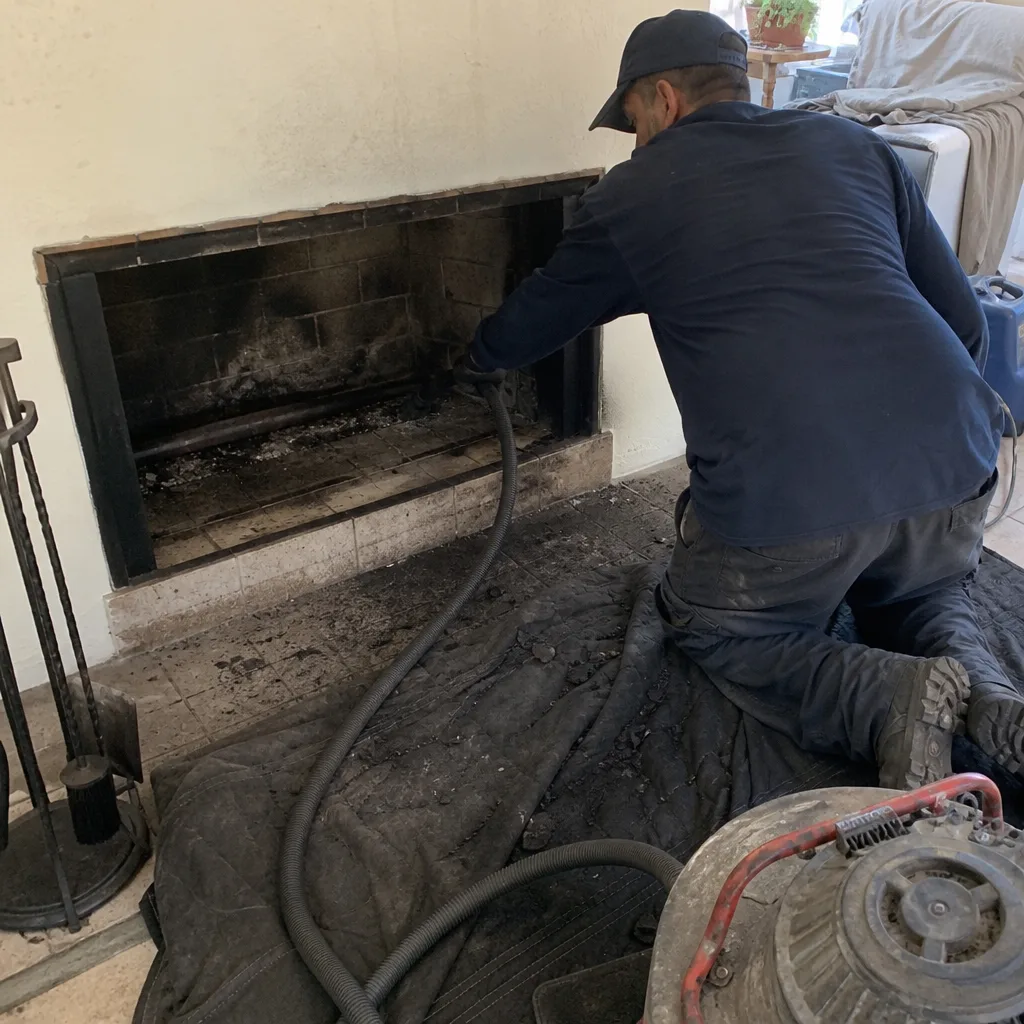 Before
 After
 Before
 After